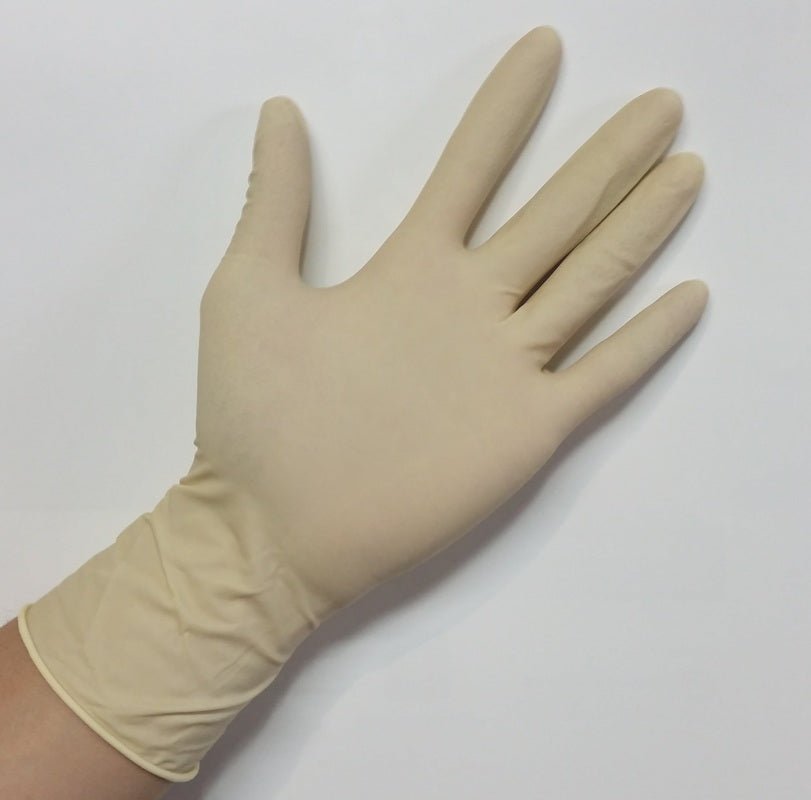
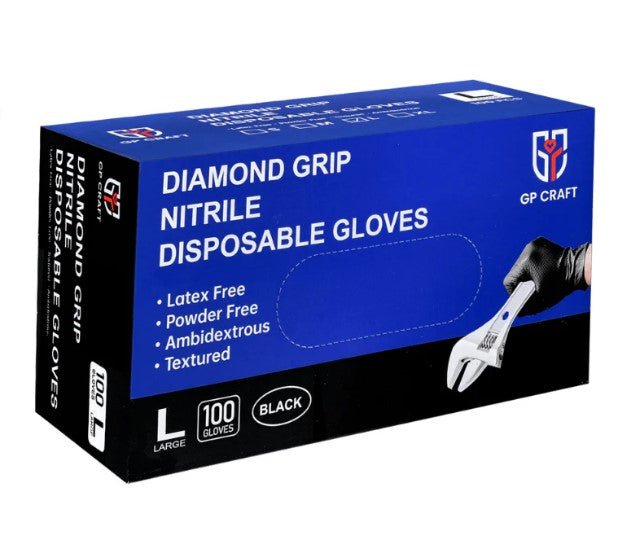
Chemical gloves protect hands from solvents, acids, oils, and industrial cleaners in workplaces where unprotected skin contact is a daily risk. AP Medical Supply carries a full range of chemical resistant nitrile gloves and heavy-duty latex options, available by the case in 500 or 1,000 counts. From 5 mil exam-grade to 15 mil extended-cuff latex, every glove ships powder-free with free shipping on orders over $200.
How to Choose Chemical Gloves: Thickness, Cuff Length, and Grade
Choosing the right chemical glove comes down to three decisions: how thick the glove needs to be, how long the cuff should be, and whether exam-grade or industrial-grade construction fits your application. Getting these right before ordering reduces waste, improves safety, and lowers your total cost per use.
Thickness and chemical exposure level
Glove thickness is the most direct measure of how long a glove resists chemical permeation. Here is a practical tier guide based on the chemical environments our customers work in:
- 5 mil - Light chemical exposure: surface cleaning agents, diluted disinfectants, food-safe sanitizers, light lab work. Good dexterity, suitable for high-frequency glove changes.
- 6-7 mil - Moderate chemical exposure: concentrated cleaning chemicals, pesticide handling, mild acids and bases, pharmaceutical labs. The most common choice for janitorial, agriculture, and general industrial use.
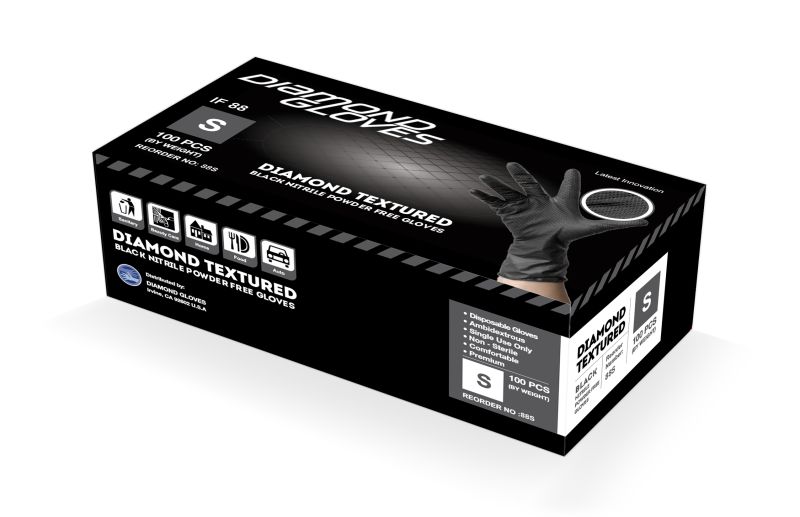
- 8 mil and above - Heavy chemical exposure: fuels, stronger solvents, automotive fluids, industrial degreasers. The diamond-textured grip on 8 mil industrial nitrile also improves handling of slippery containers and equipment.
One area where buyers often get this wrong: acetone and other ketone-based solvents. Nitrile resists oils, mild acids, and bases well, but ketones can begin to permeate nitrile over extended contact. For acetone nitrile gloves use, 8 mil provides a longer breakthrough time than 5-6 mil options, but contact should still be kept brief and gloves replaced immediately after the task. This makes nitrile gloves for acetone a short-contact solution only. For prolonged immersion in strong solvents, heavy-duty latex at 14-15 mil offers a stronger barrier.
Exam grade vs. industrial grade for chemical work
A question we hear regularly: do you need exam-grade nitrile for a chemical environment, or is industrial-grade sufficient? The answer depends on the risk level of the task. Industrial-grade gloves are built for puncture and abrasion resistance. Exam-grade gloves are manufactured to a tighter AQL standard, typically AQL 1.5, meaning fewer pinholes and failures per batch. In lab work, pharmaceutical handling, and any application where a glove failure creates a direct chemical contact risk, exam-grade nitrile chemical gloves are the better choice. For automotive and heavy manufacturing tasks where physical durability is the primary concern, industrial-grade 8 mil is appropriate. In short, if the hazard is primarily chemical rather than mechanical, prioritize exam-grade construction.
Cuff length: standard vs. 12-inch extended
Standard nitrile gloves use a 9-inch beaded cuff, which covers the wrist adequately for most dry-contact scenarios. A 12-inch extended cuff is a different product category. When working with liquid chemicals - poured acids, liquid solvents, spray-applied cleaners - splash protection above the wrist is essential. Extended-cuff nitrile rubber gloves and latex gloves are specifically designed for tasks where the forearm is at risk of exposure. If your team works near open containers of chemicals or performs overhead application, a 12-inch cuff is a safety requirement, not an optional upgrade.
Chemical Gloves by Industry and Application
The right chemical glove varies depending on the exposure type, task duration, and compliance requirements of each industry.
Laboratories and research facilities typically need exam-grade nitrile in the 6-8 mil range, latex-free to accommodate allergy policies, and powder-free to prevent contamination of samples. Tasks involving moderate organic solvents or reagent handling benefit from 8 mil nitrile with an extended cuff. For a full selection matched to lab-specific requirements, browse laboratory gloves.
Industrial and manufacturing environments prioritize grip and durability alongside chemical resistance. Diamond-textured 8 mil industrial nitrile handles chemical splash, oils, and greases while maintaining secure control over tools and parts. Extended-cuff options protect against splash from larger containers or overhead exposure. See the full manufacturing gloves selection for models suited to production floor use.
Janitorial and sanitation teams work with concentrated cleaning agents, degreasers, and disinfectants across long shifts. A 6-7 mil exam-grade nitrile provides the chemical barrier needed without sacrificing the dexterity required for surface work and equipment handling. Browse janitorial and sanitation gloves for the complete range.
Automotive technicians handle fuels, brake fluid, battery acid, and degreasers - a combination that demands consistent chemical resistance and puncture protection through a full shift. The raised diamond texture on 8 mil industrial nitrile maintains grip on wet and oily surfaces without slipping. See automotive gloves for compatible options.
Agriculture applications range from pesticide and herbicide mixing, where high chemical exposure and extended cuff protection are recommended, to general field operations. Nitrile is the standard material across this industry, with 6 mil suitable for most tasks and 8 mil for concentrated chemical handling. Browse agriculture gloves for compatible options.
Not sure which thickness or cuff style fits your specific operation? Use the Glove Match Tool to filter by industry, application, and glove specifications.
Shop Chemical Gloves by Case
All chemical resistant disposable gloves in this collection are available in wholesale case quantities of 500 or 1,000. Below are featured options across the main categories.
Exam-grade nitrile, 5-6 mil (general chemical use)
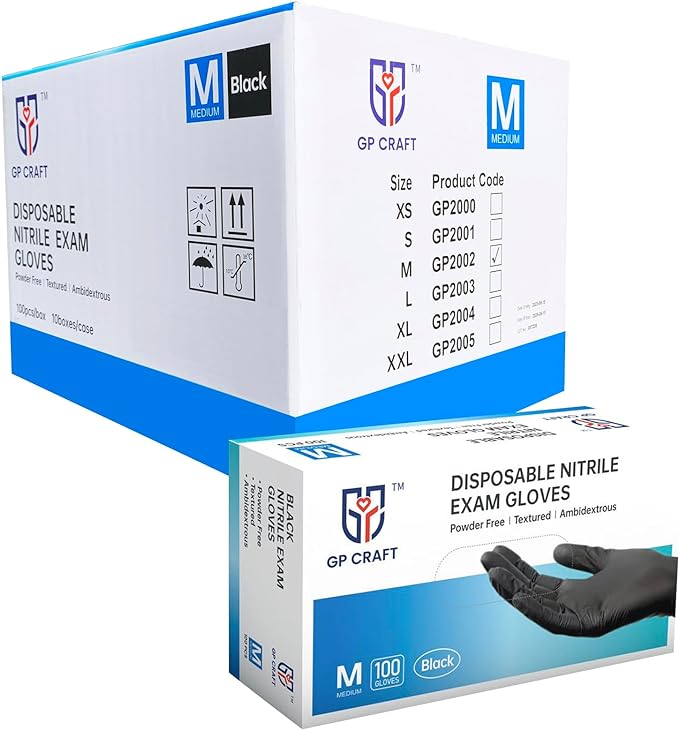
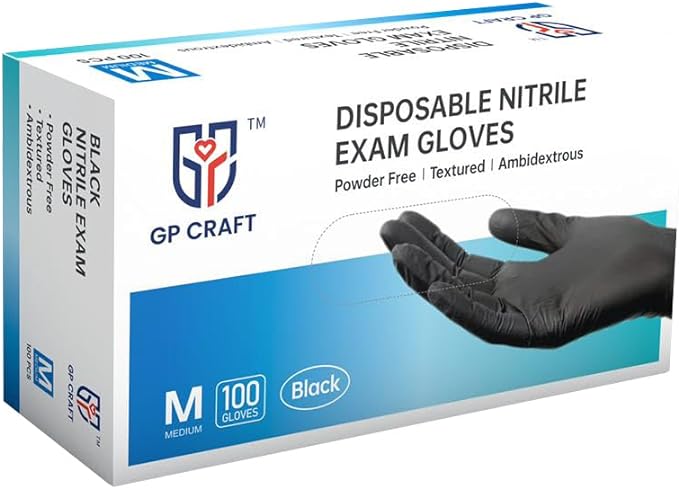
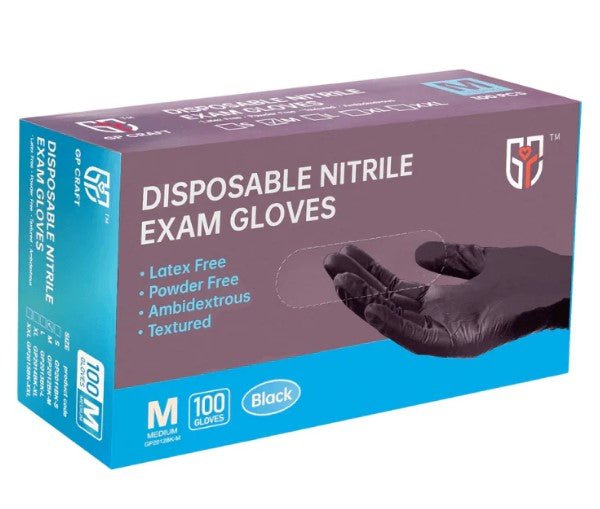
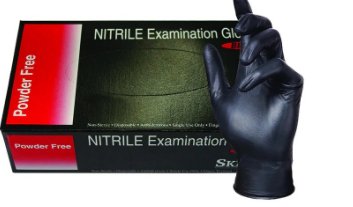
- GP Craft 5 mil Black Nitrile Exam Gloves, Case of 1,000 (GP50) - powder-free, latex-free, suitable for light chemical handling and lab applications
- Alpha Force 5 mil Black Nitrile Heavy Duty Gloves, Case of 1,000 (AF5B) - chemo-tested, suitable for pharmaceutical and medical-adjacent chemical environments
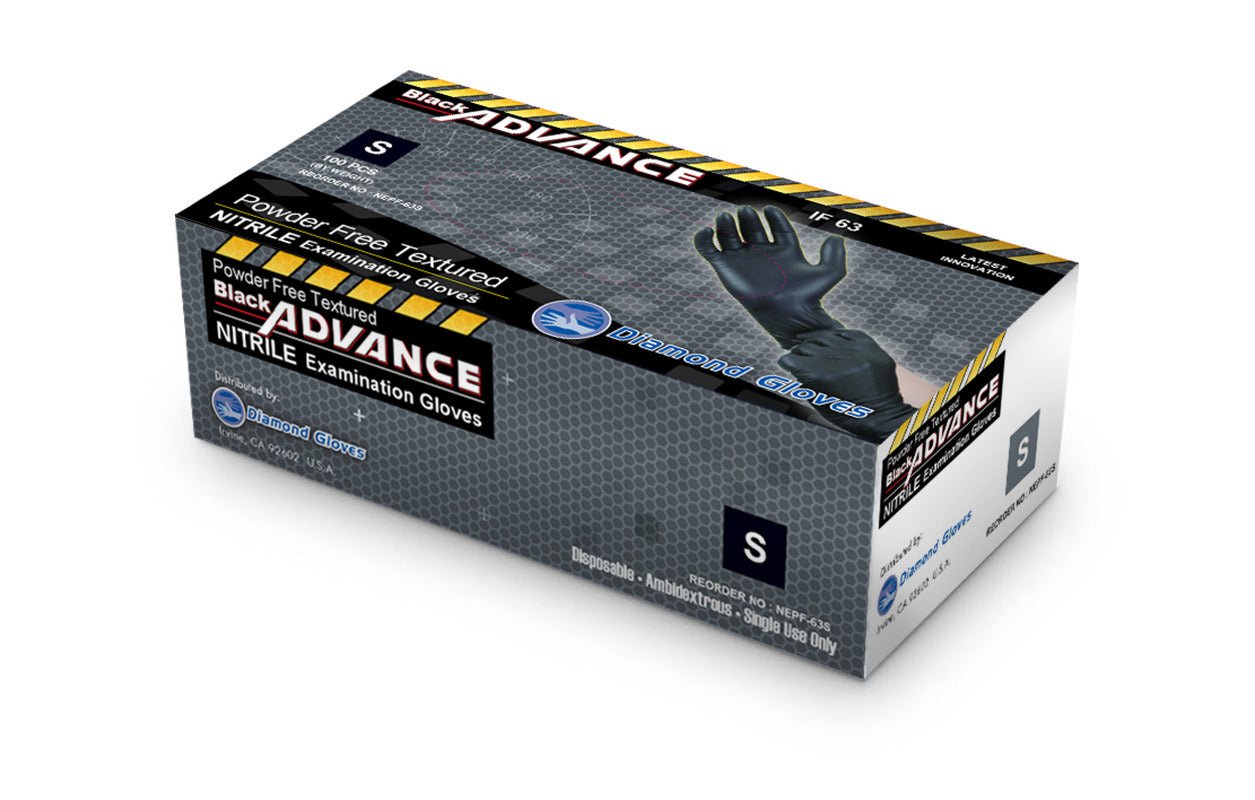
- GP Craft 6 mil Black Nitrile Exam Gloves, Case of 1,000 (GP63) - step up in thickness for moderate chemical exposure and extended wear shifts
Heavy-duty industrial nitrile, 8 mil (high chemical exposure)
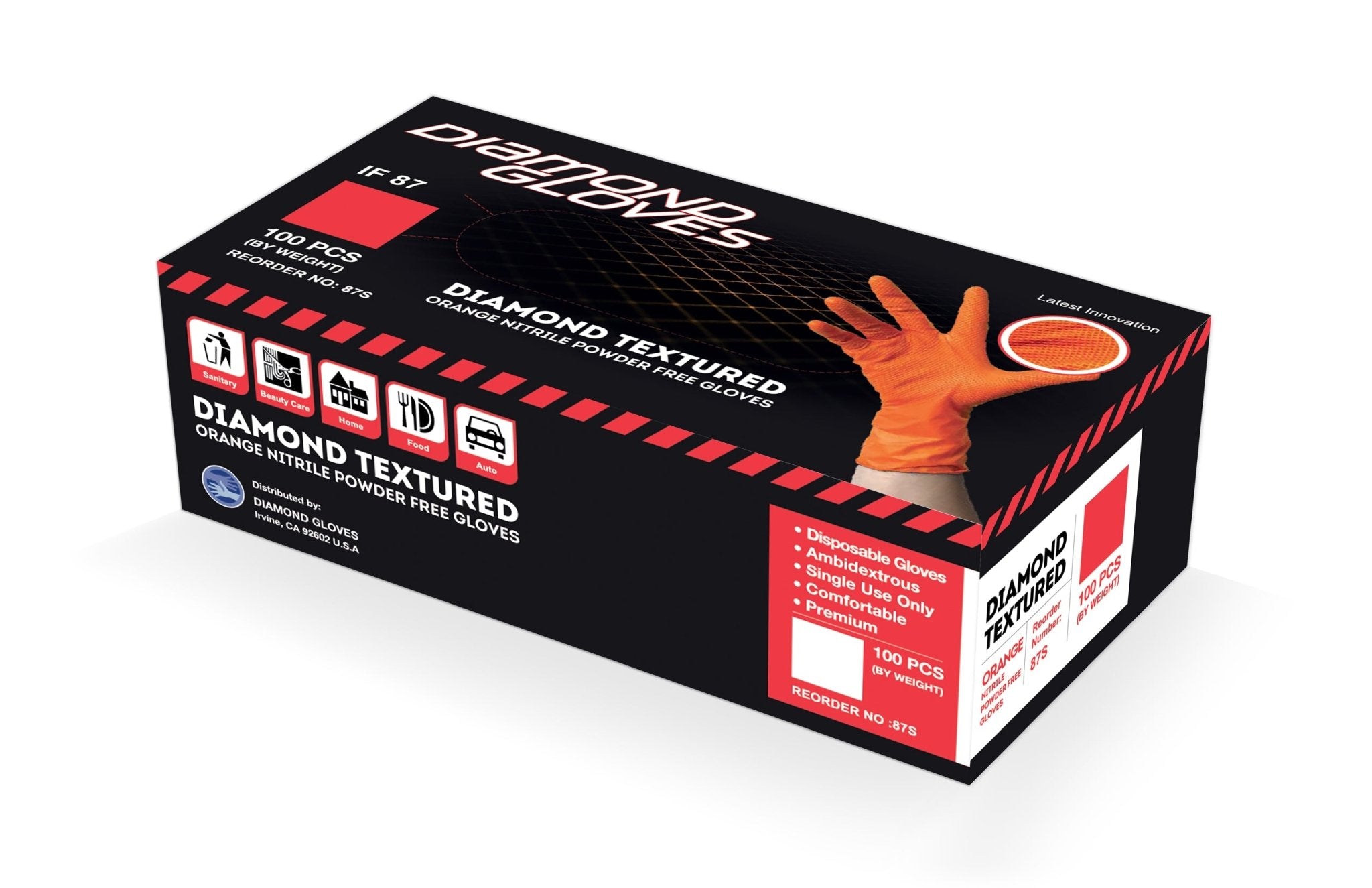
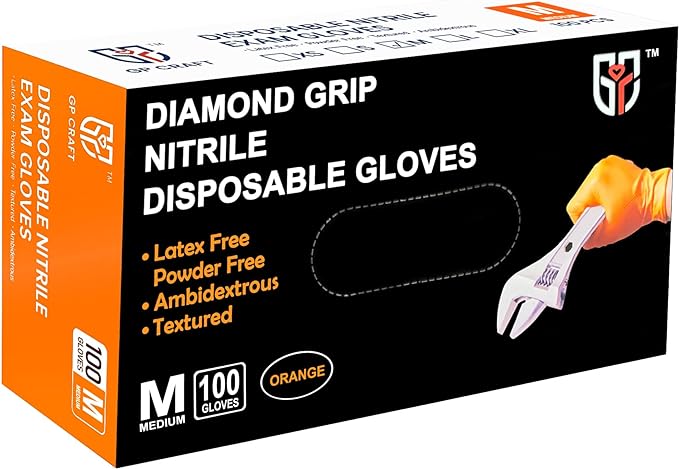
- Diamond 8 mil Orange Nitrile Industrial Gloves, Case of 1,000 (IF87) - diamond-textured grip, powder-free, suited for automotive, manufacturing, and solvent handling
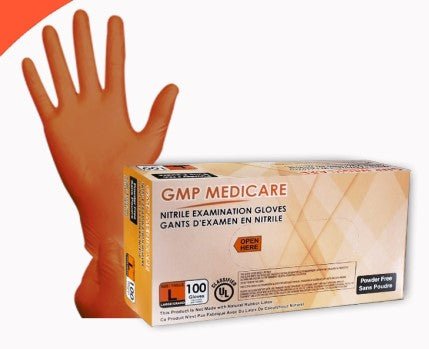
- GP Craft 8 mil Orange Nitrile Industrial Gloves, Case of 1,000 (GP68) - diamond-textured, designed for high-contact industrial environments
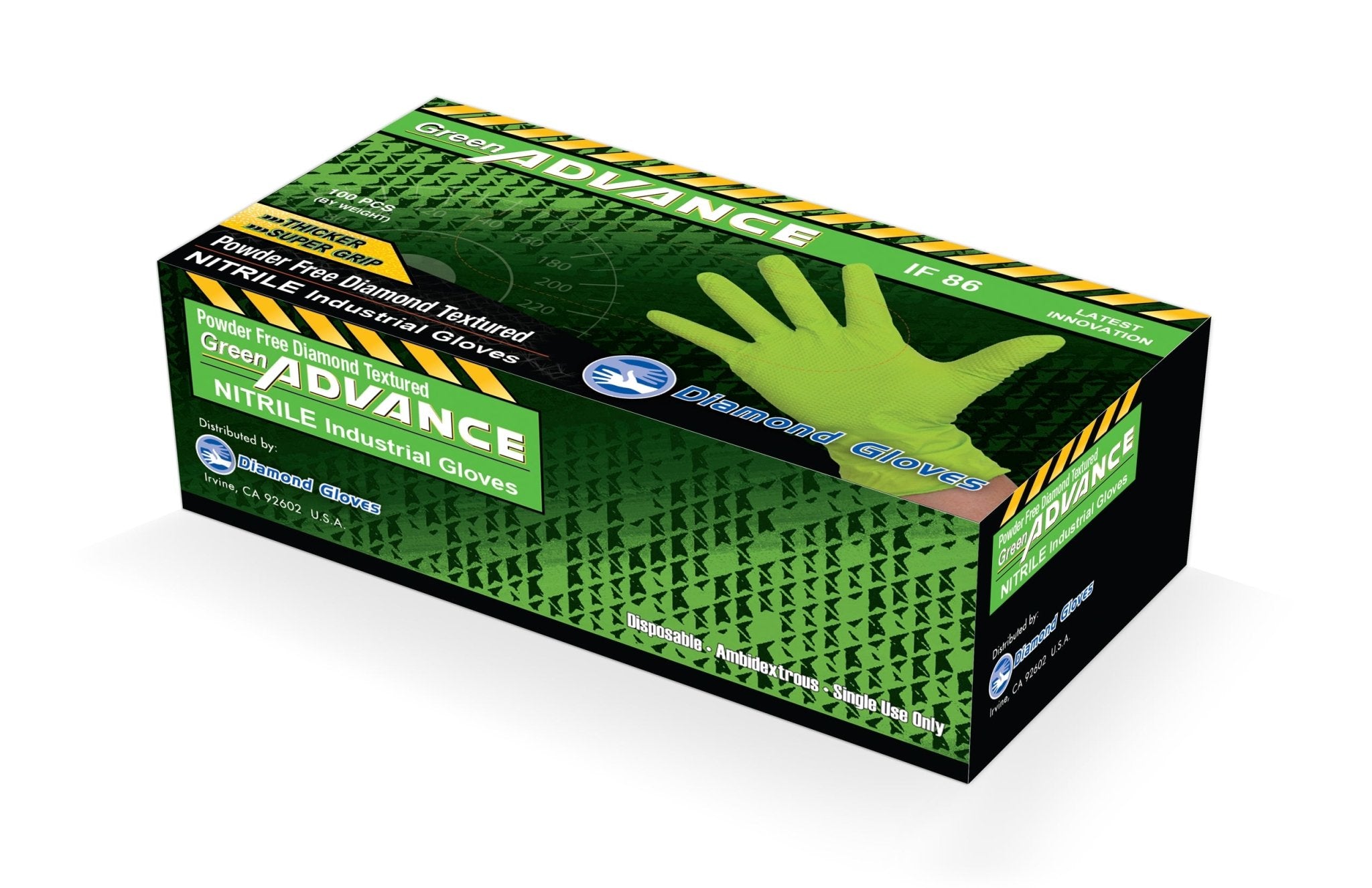
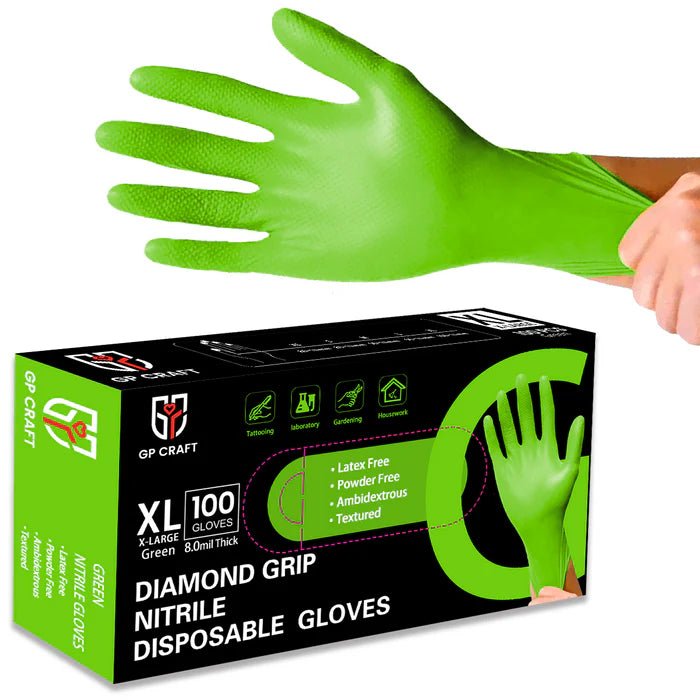
- Diamond 8 mil Green Nitrile Industrial Gloves, Case of 1,000 (IF86) - color-coded for quick task differentiation in multi-hazard facilities
Extended-cuff options, 12-inch (liquid splash protection)
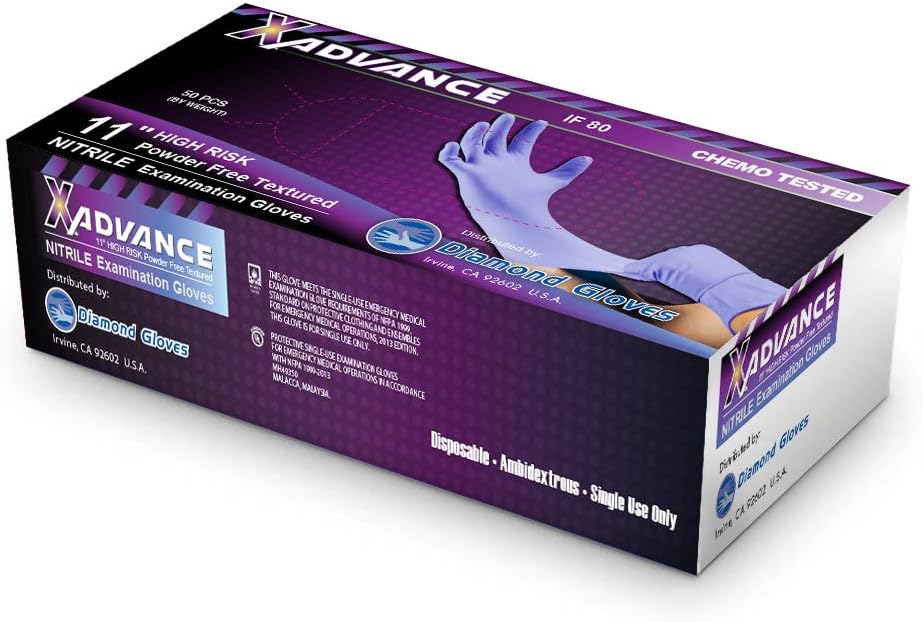
- Diamond Blue 8 mil Nitrile Exam Gloves, Case of 500 (IF80) - 12-inch long cuff, exam-grade barrier for nitrile gloves for chemical handling in splash environments
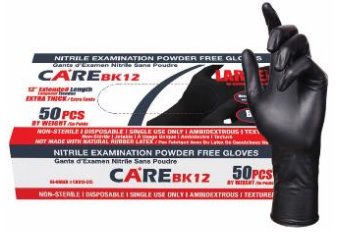
- CARE 12" 7 Mil Black Nitrile Exam Gloves, Case of 500 (CBK12-5) - extended cuff, exam-grade construction, black finish for visibility in chemical-stained environments
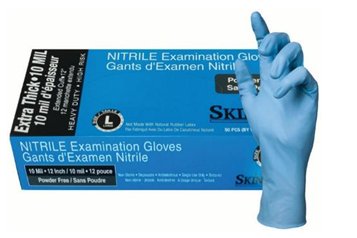
- SkinTx 12 Inch 10 Mil Blue Nitrile Exam Gloves, Case of 500 (ET500) - 10 mil thickness for demanding liquid splash scenarios
Heavy-duty latex (maximum barrier resistance)
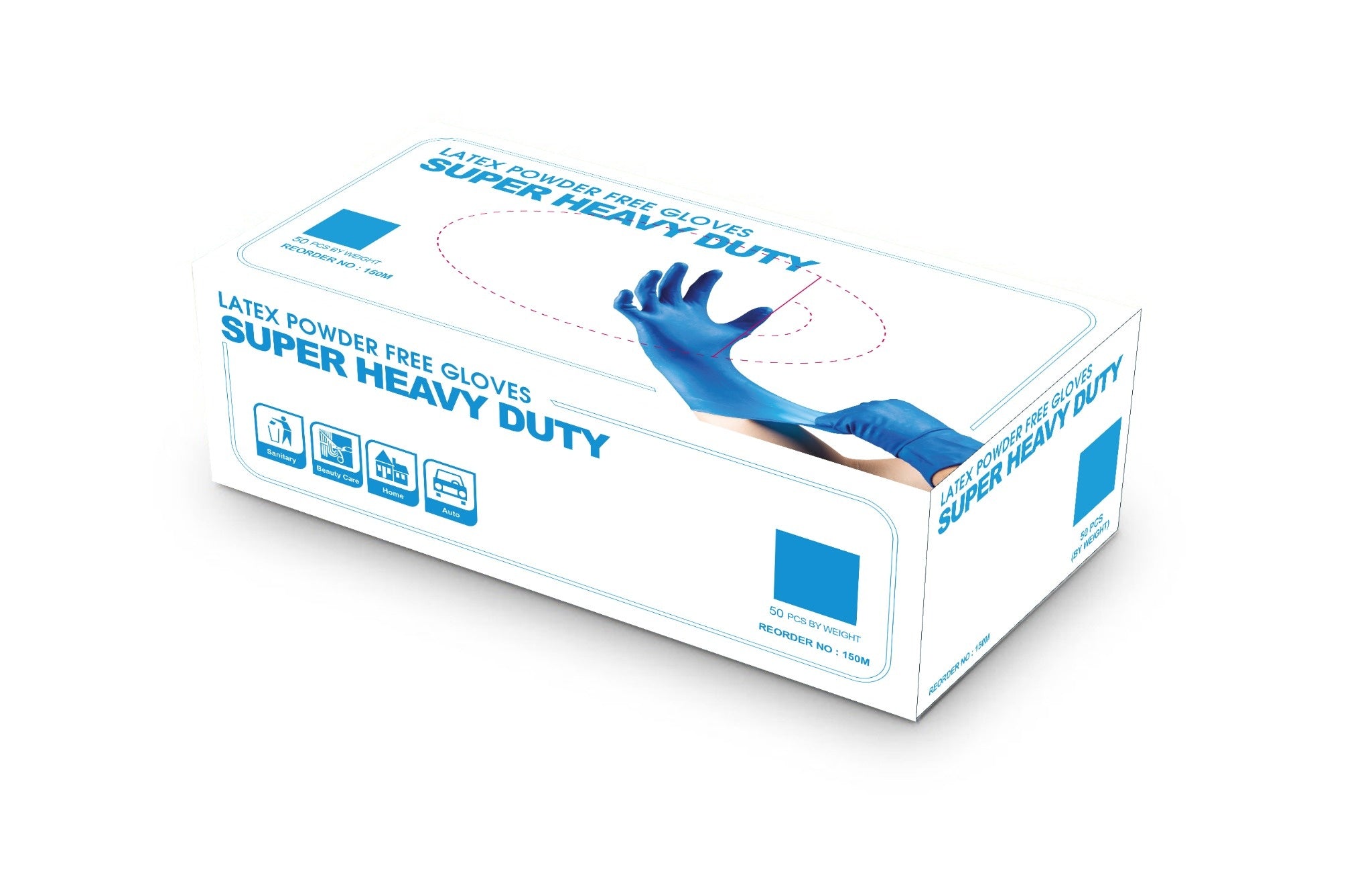
- Great Glove 14 mil Latex Powder-Free Gloves, Case of 500 (BNM2) - 12-inch cuff, suited for applications requiring maximum ketone and aromatic solvent resistance where latex sensitivity is not a concern
- Diamond 15 mil Heavy Duty Blue Latex Gloves, Case of 500 (IF150) - maximum barrier thickness for prolonged chemical contact tasks
Why Buy Chemical Gloves at AP Medical Supply
AP Medical Supply supplies nitrile and latex chemical gloves in case quantities to labs, manufacturing facilities, janitorial contractors, and agricultural operations across the United States. Our selection spans 3.5 mil to 15 mil, multiple cuff lengths, and multiple materials - so buyers can match the right glove to the actual risk level of each task rather than defaulting to one-size options. Orders over $200 ship free, and our team is available by phone at +1 814 636 1245 for bulk quotes and volume inquiries.
Frequently Asked Questions
Are nitrile gloves suitable for working with acetone?
Nitrile provides a barrier against acetone and ketone solvents, but protection time is limited. For brief incidental contact, 8 mil nitrile is appropriate. For extended or repeated acetone exposure, heavy-duty latex at 14-15 mil offers a longer breakthrough time. Replace gloves immediately after contact regardless of thickness.
What mil thickness do I need for acid handling?
For mild acids such as diluted solutions and pH-adjusted cleaners, 6-7 mil exam-grade nitrile is adequate. For stronger or concentrated acids, use 8 mil minimum with a 12-inch extended cuff to protect the forearm from splash. Always verify the specific acid and concentration against the chemical resistance information on the product page before selecting a glove.
What is the difference between exam-grade and industrial-grade nitrile for chemical work?
Exam-grade nitrile is manufactured to AQL 1.5, meaning fewer pinholes per batch. For chemical applications where a glove failure creates direct skin contact risk - lab reagents, pharmaceutical handling, acid work - exam-grade is the safer choice. Industrial-grade suits abrasion and puncture scenarios where physical durability is the priority.
Do I need a 12-inch extended cuff for chemical handling?
If the chemical is in liquid form and there is any risk of splash above the wrist from pouring, overhead application, or working near open containers, yes. A standard 9-inch cuff only covers the wrist. A 12-inch cuff covers the lower forearm, which is the most common exposure point in liquid splash scenarios.
Are the nitrile gloves in this collection latex-free?
Yes. All nitrile options in this collection are synthetic and latex-free. The heavy-duty latex gloves (14 mil and 15 mil) contain natural rubber latex and are not appropriate for individuals with latex allergies. Material is noted clearly on each product page.
Can I order a single case or do I need to commit to a pallet?
Single case orders are available for all products in this collection. Case sizes are 500 or 1,000 gloves depending on the product. For pallet-level or high-volume orders, contact the team directly for pricing and lead time.
Are all gloves in this collection powder-free?
Yes. All gloves here are powder-free. Powder-free construction prevents residue from contaminating work surfaces, chemical samples, or equipment, and reduces skin irritation during extended wear.
Related Blogs
Ultimate Guide to Disposable Gloves: How to Choose the Right Gloves for Every Application - A comprehensive breakdown of nitrile, latex, vinyl, and poly gloves by thickness, industry, and use case, with specific recommendations for chemical, lab, and industrial applications.
Exam Gloves vs. General-Use Gloves: What's the Difference? - Explains the AQL quality standard, what it means for glove failure rates in real-world use, and when exam-grade construction is worth the step up over general-use options in chemical environments.
Guide to Protective Apparel: Uses, Types, and How to Choose the Right PPE - Covers how chemical gloves fit into a complete PPE setup alongside gowns, coveralls, and other protective garments for chemical handling environments.