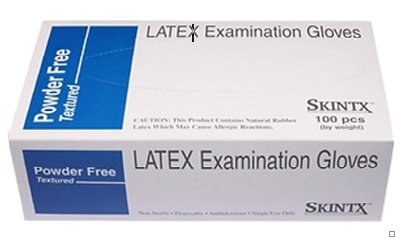
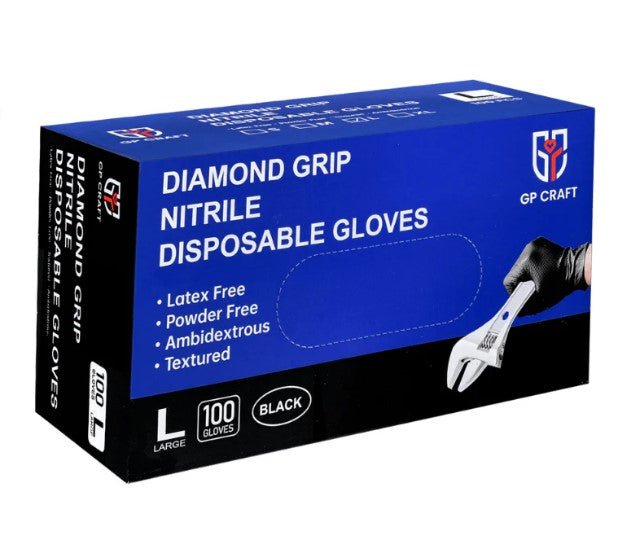
Manufacturing gloves are the primary hand protection barrier on assembly lines, chemical handling stations, lab benches, and maintenance floors across every industrial sector. Buyers often search for chemical proof gloves that can handle acids, solvents, bleach, and paint without breaking down mid-shift. This collection covers disposable nitrile and latex gloves from 4 mil to 15 mil, sold by the case of 500 or 1,000, with free shipping on orders over $200.
Shop Manufacturing Gloves by Thickness and Use
With 35 products across multiple brands, thicknesses, and cuff lengths, here are the options that cover the widest range of manufacturing tasks:
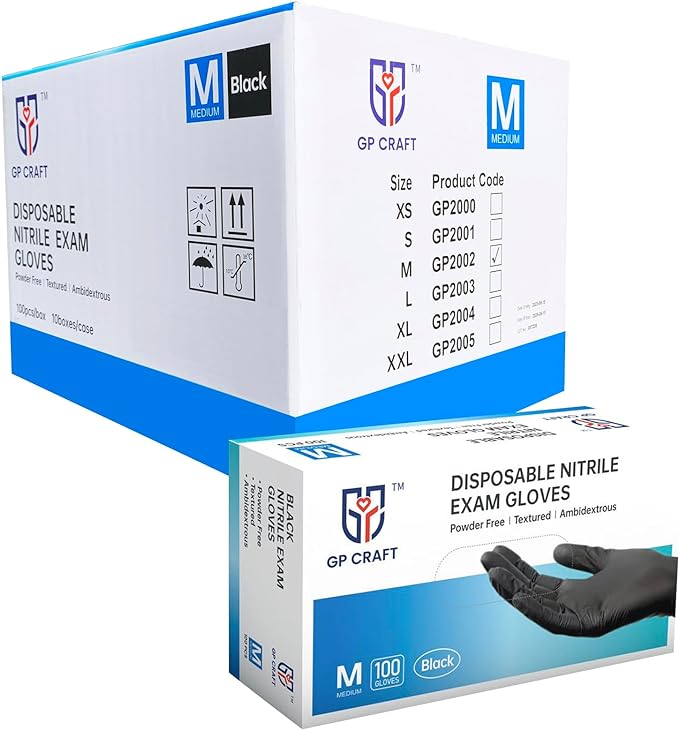
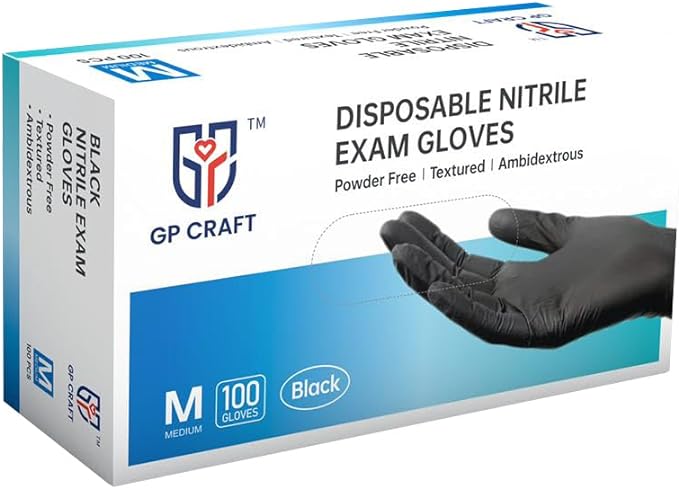
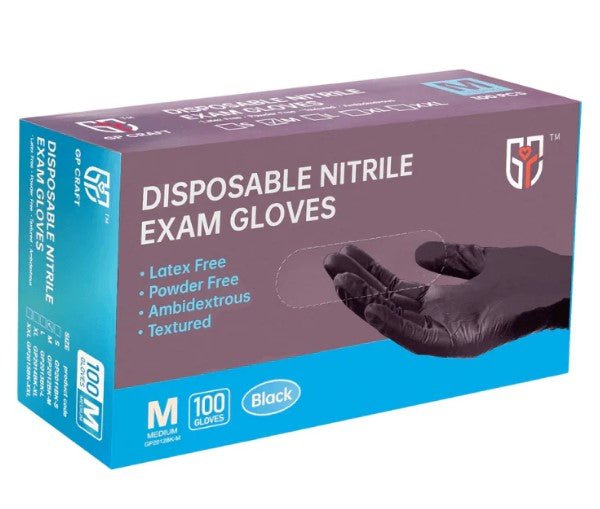
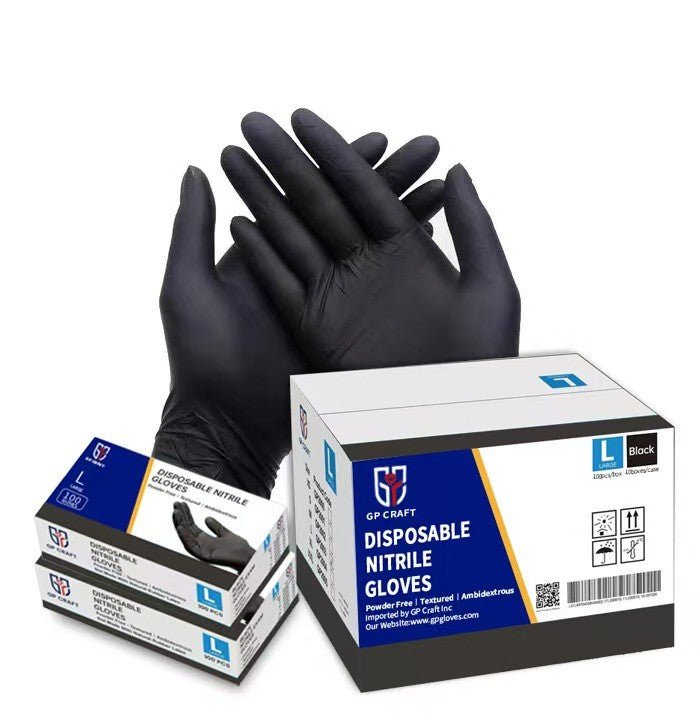
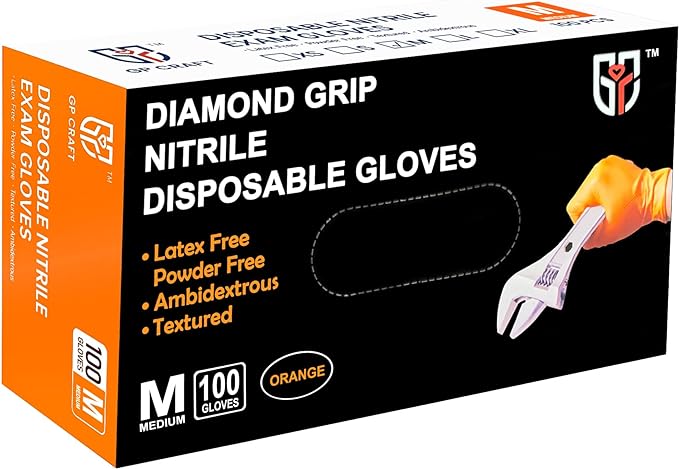
- GP Craft 4 mil Black Nitrile Exam Gloves, Case of 1,000 (GP48) - lightweight, high-dexterity option for light assembly, inspection, and parts handling where touch sensitivity matters
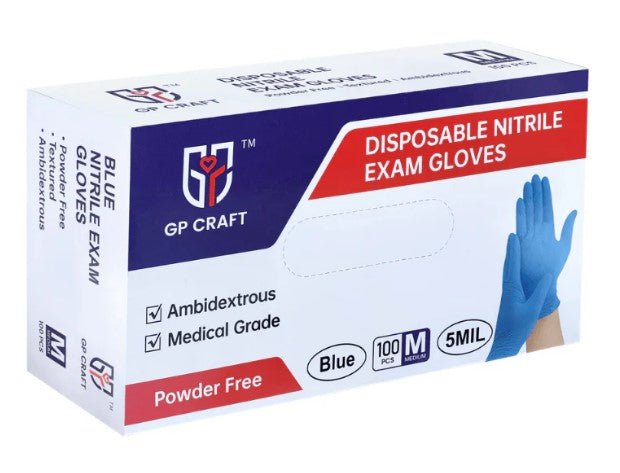
- GP Craft 5 mil Black Nitrile Exam Gloves, Case of 1,000 (GP50) - the mid-range workhorse for general assembly, packaging, and routine maintenance tasks
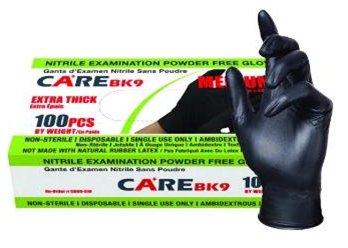
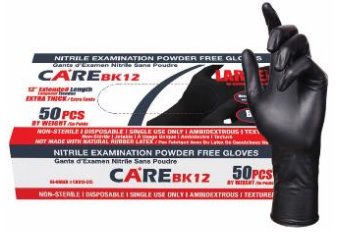
- CARE 12" 7 Mil Black Nitrile Exam Gloves, Case of 500 (CBK12-5) - extended 12-inch cuff for forearm protection in chemical splash environments
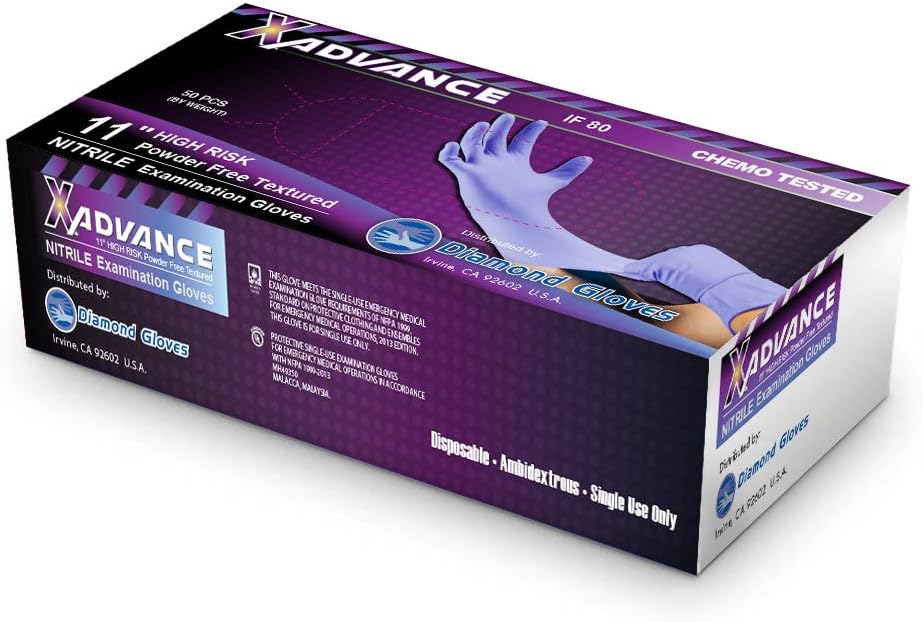
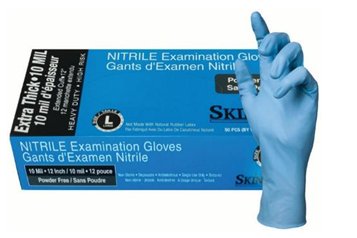
- Diamond Blue 8 mil Nitrile Exam Gloves, 12" Long Cuff, Case of 500 (IF80) - heavy-duty thickness combined with full forearm coverage for demanding chemical handling
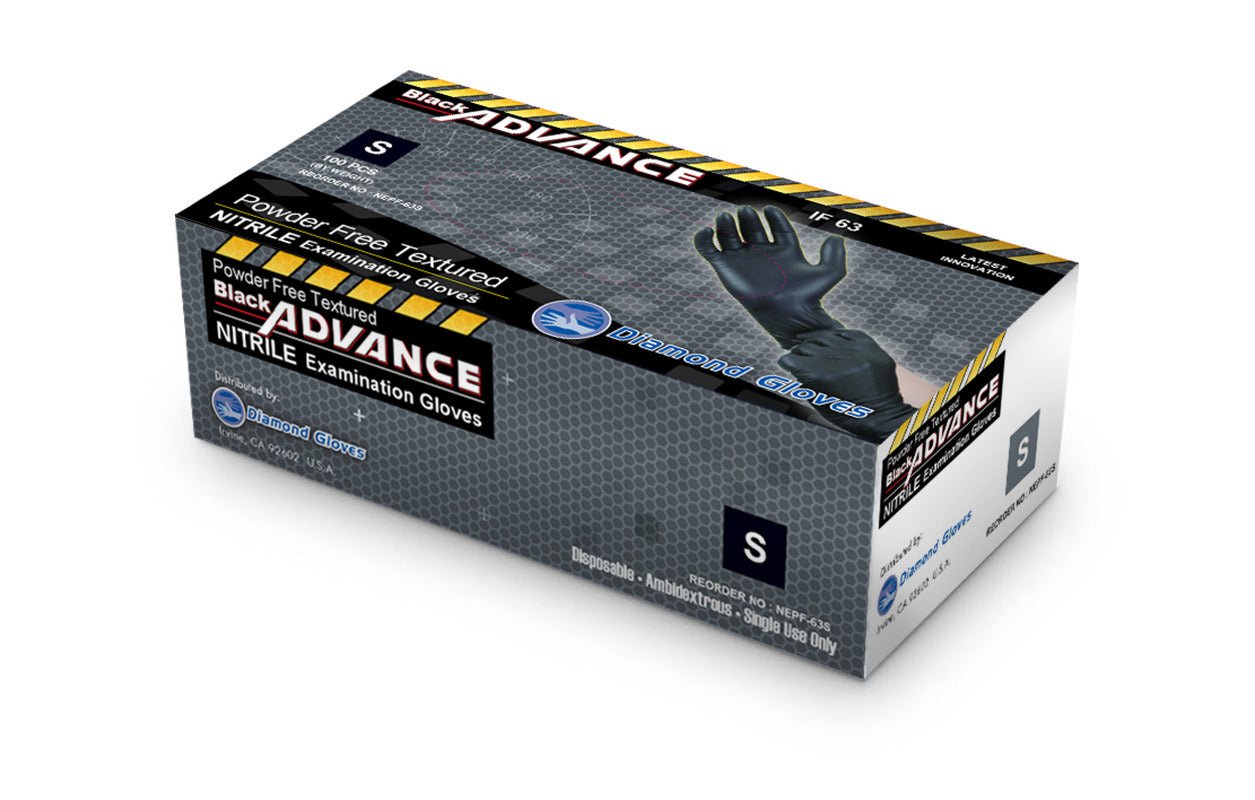
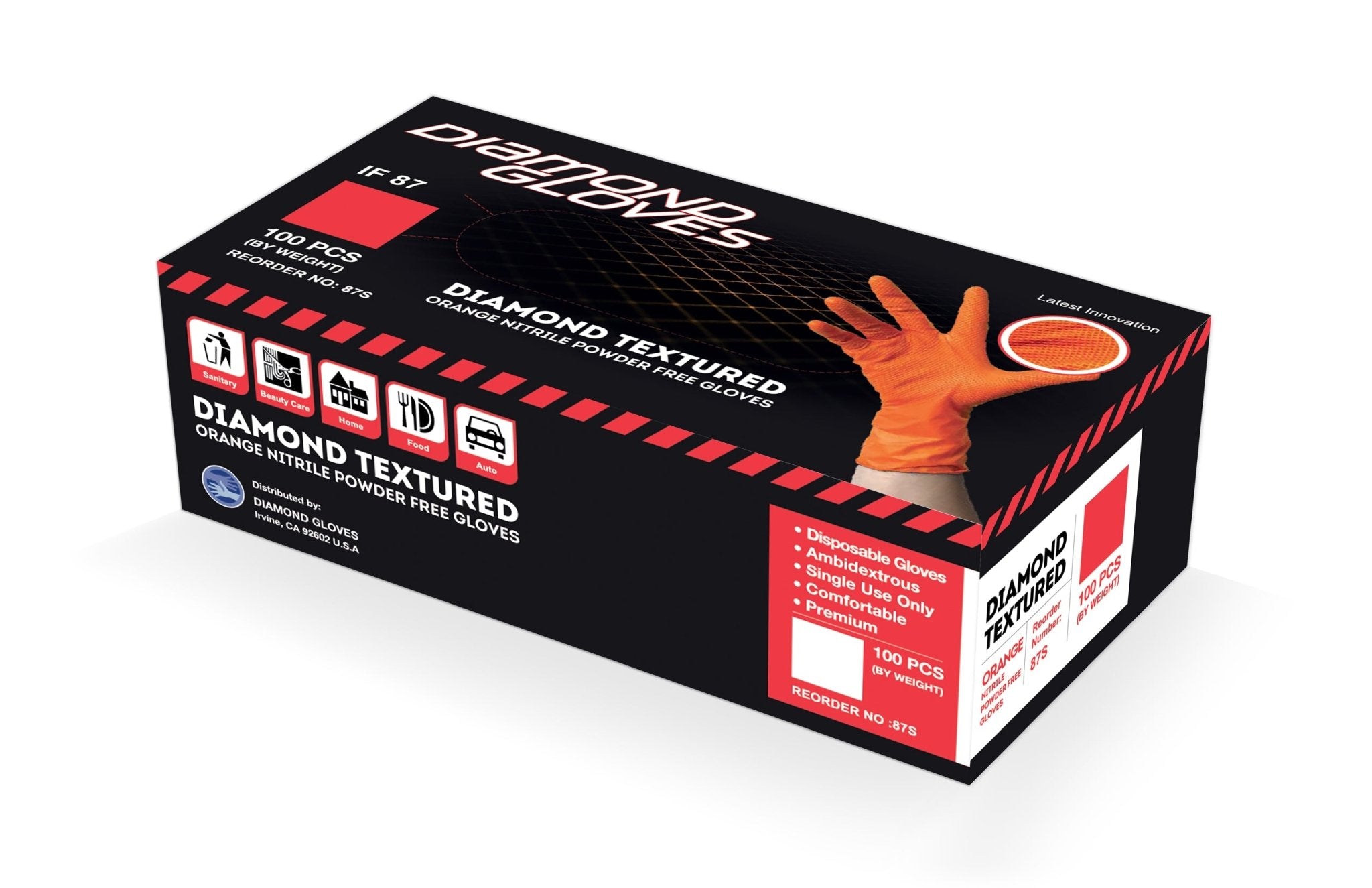
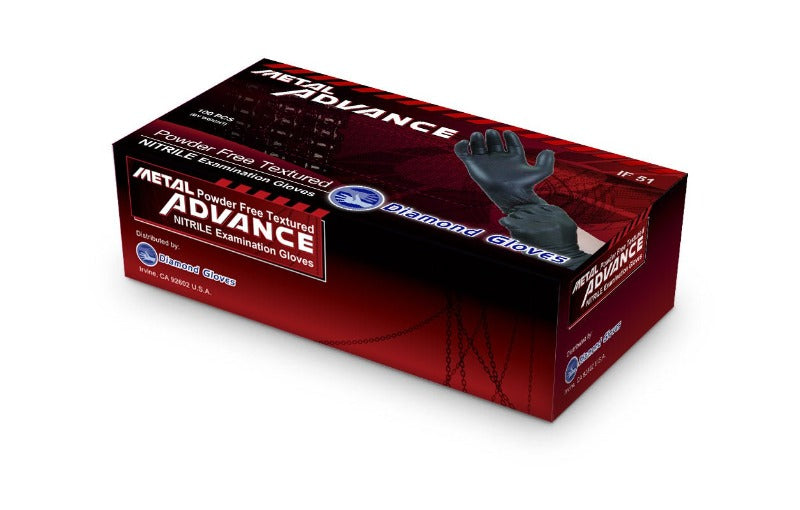
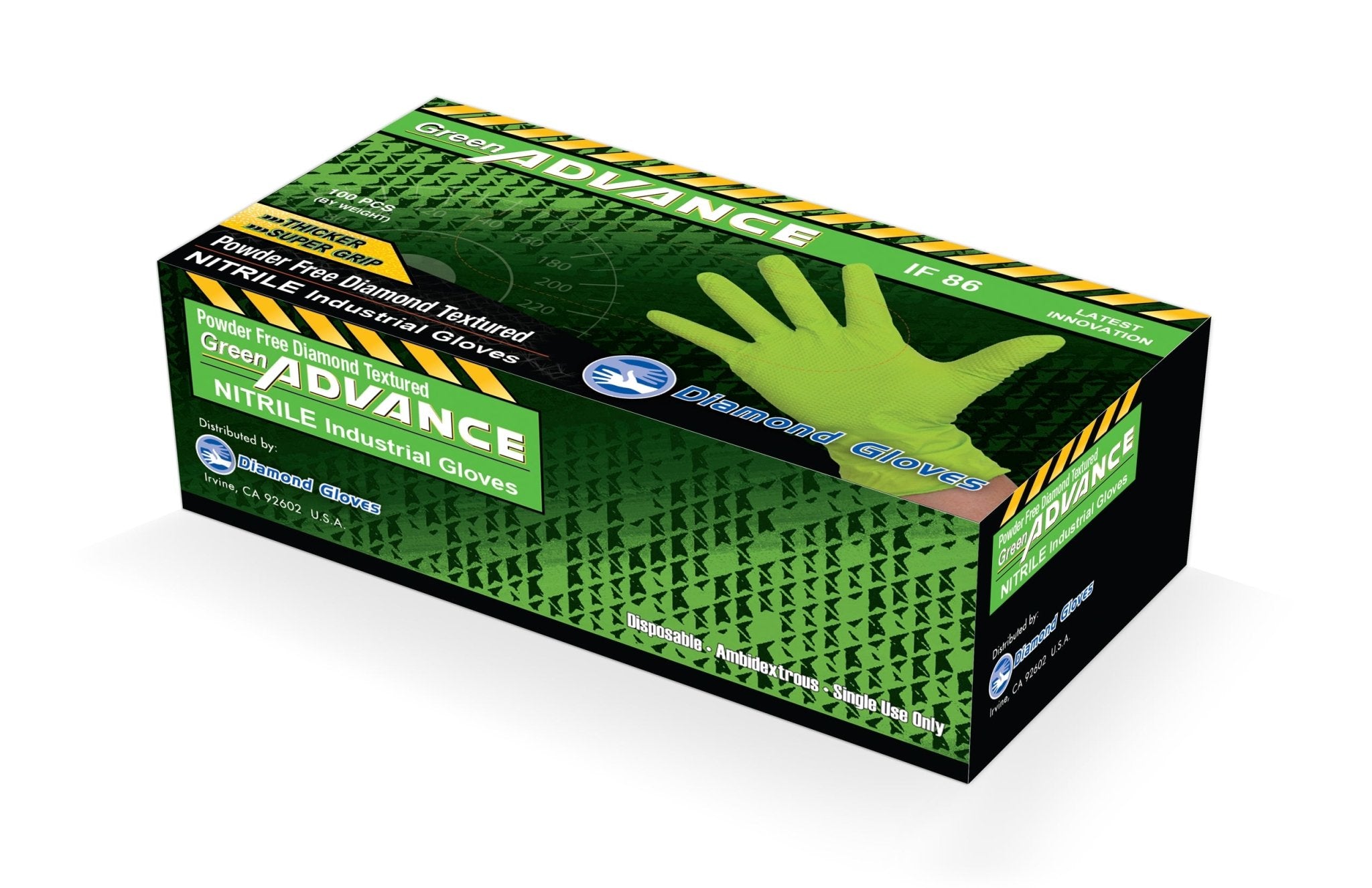
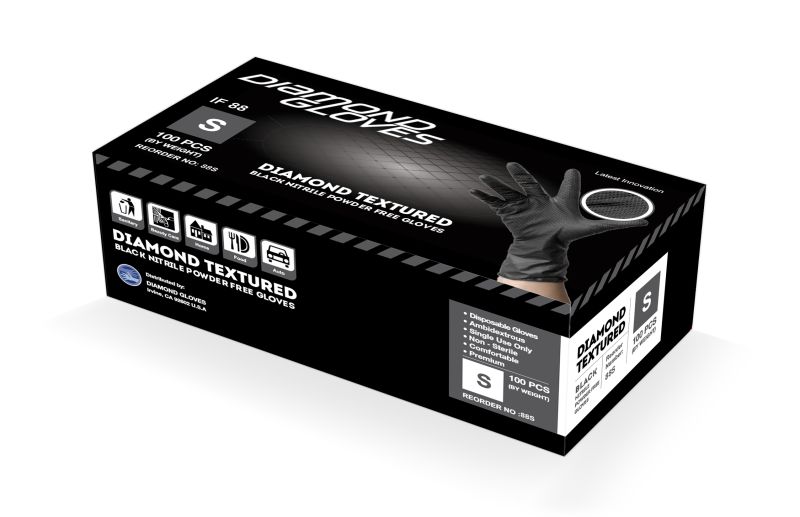
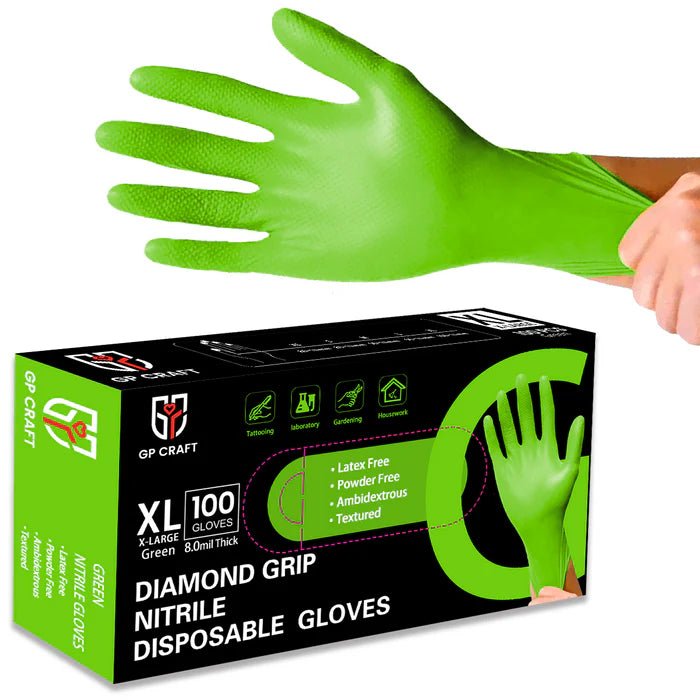
- Diamond 8 mil Black Nitrile Industrial Gloves, Case of 1,000 (IF88) - diamond-textured surface for grip in oily, wet, or greasy industrial conditions
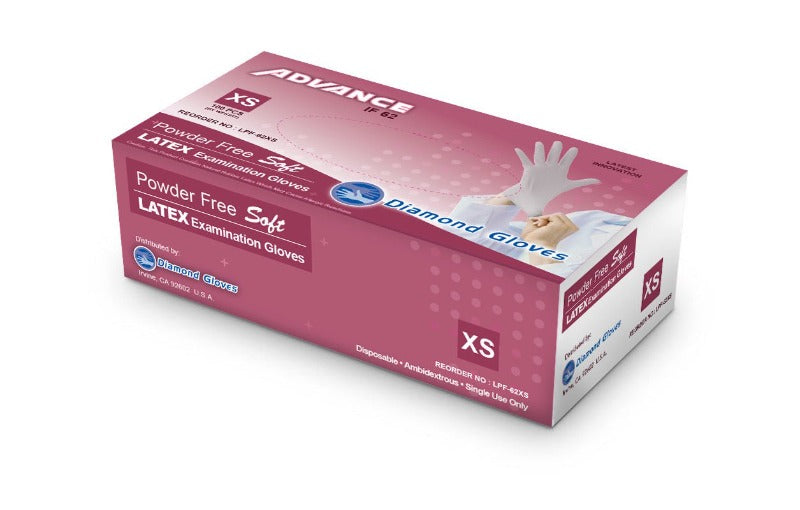
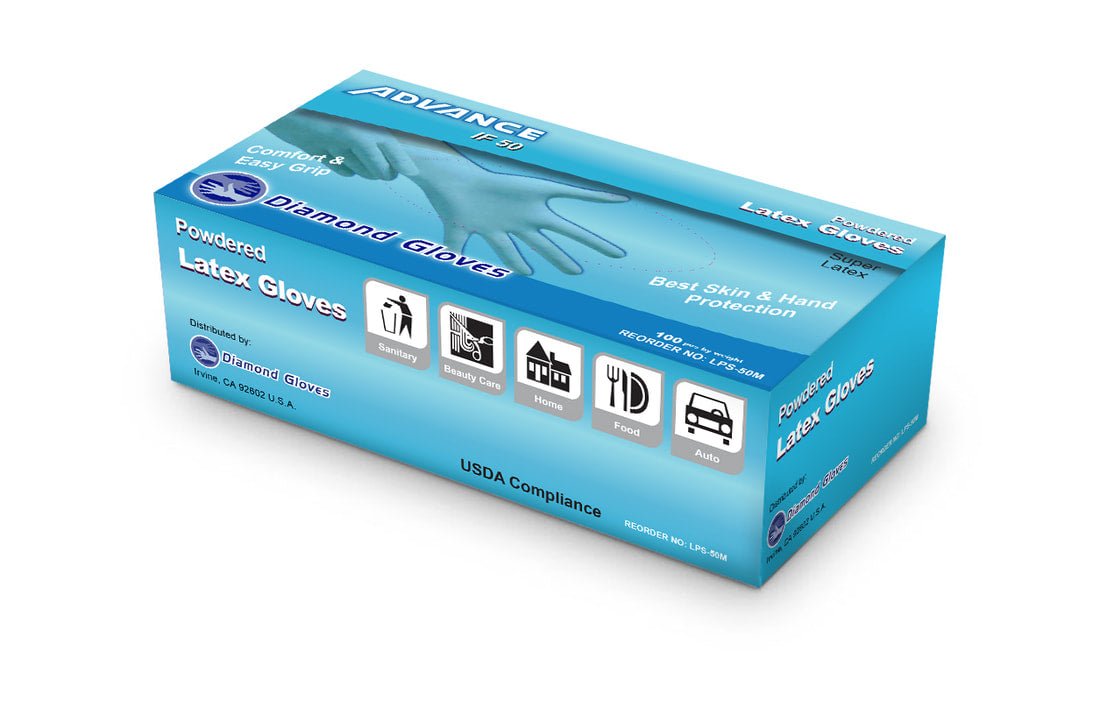
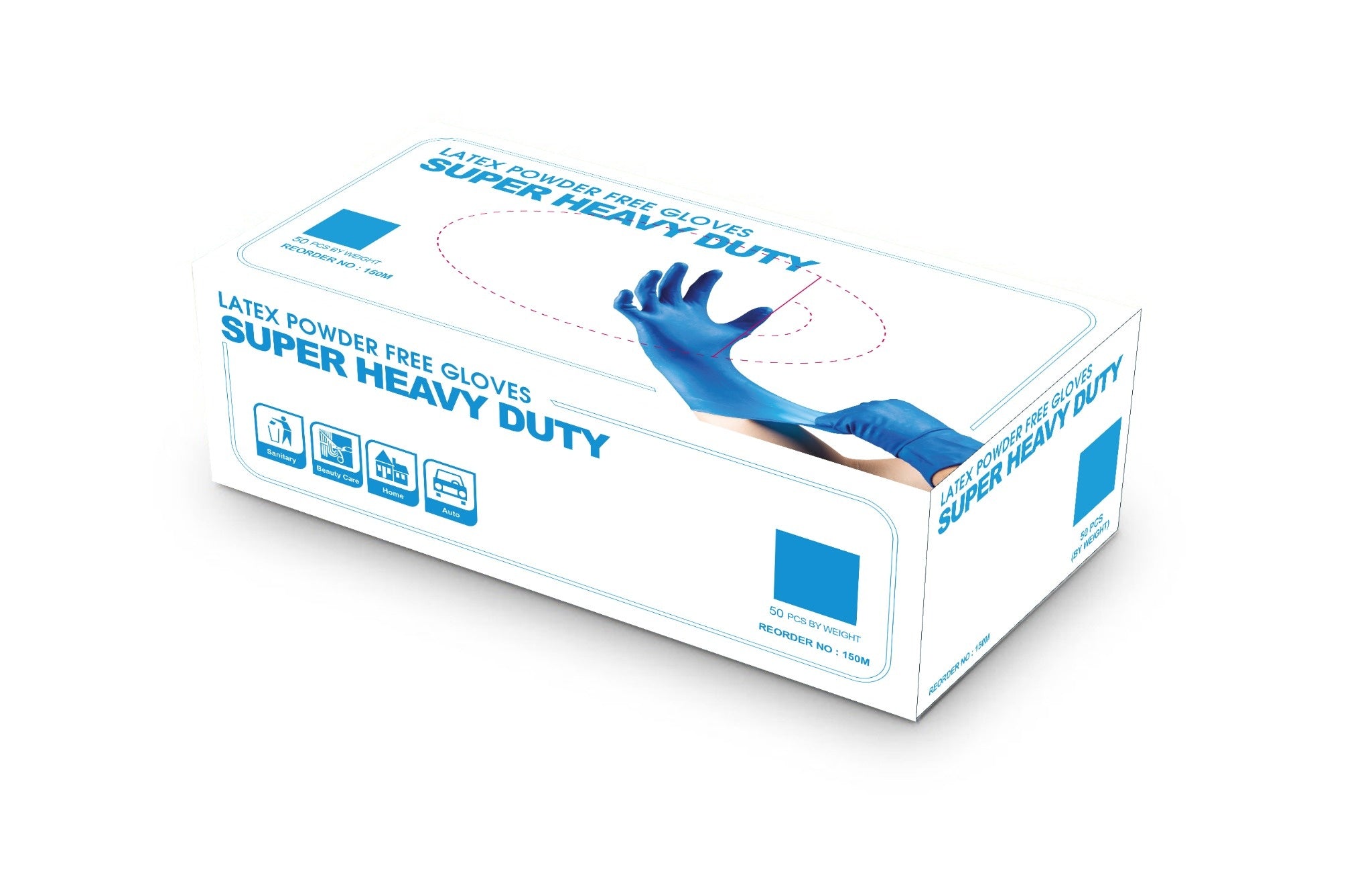
- Diamond 15 mil Heavy Duty Latex Gloves, 12" Long Cuff, Case of 500 (IF150) - maximum thickness for heavy chemical contact and high-abrasion surface work
Nitrile vs. Latex: Choosing the Right Material
Both nitrile and latex are proven disposable glove materials for manufacturing environments, but they differ in key properties that affect which tasks they suit best.
Nitrile is a 100% synthetic rubber. It carries zero natural latex proteins, making it the safe choice for workplaces where latex allergies are a concern among staff or customers. Its molecular structure gives it strong resistance to oils, greases, hydrocarbons, and a broad range of industrial solvents. It also outperforms latex on puncture resistance at equivalent thickness, which matters on assembly lines with sharp edges or wire handling. The trade-off is a slight reduction in elasticity compared to natural rubber, though modern nitrile formulations have largely closed that gap.
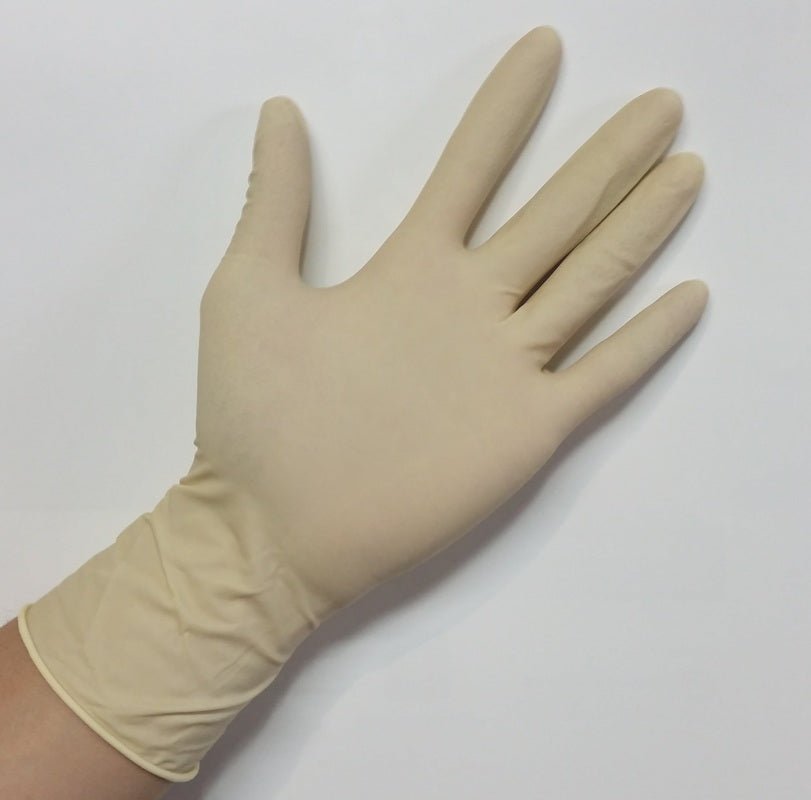
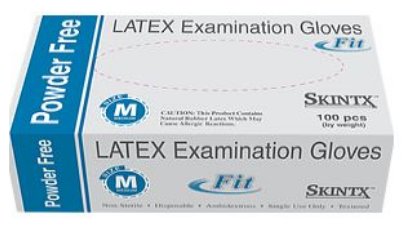
Latex is natural rubber and remains the most elastic and form-fitting glove material available. Workers who spend extended shifts on fine assembly work often prefer the tactile feedback latex provides. It handles well in wet conditions and offers good barrier performance across many chemical groups. The limitation is latex allergy risk, which rules it out entirely for certain environments. Latex also degrades faster when exposed to oils and petroleum-based products than nitrile does.
In short, choose nitrile when oil, grease, hydrocarbons, or latex allergies are part of your risk picture. Choose latex when maximum elasticity, tactile sensitivity, and extended wear comfort are the priority and latex allergies are not a workplace concern. For specialized chemical environments such as concentrated corrosive handling or reactive solvent work, see our chemical gloves collection, which covers heavier-duty options for those specific hazard profiles.
Mil Thickness and Cuff Length: The Specs That Actually Matter
Mil thickness and cuff length are the two specifications buyers most often underweight when ordering manufacturing gloves, and getting them wrong is the leading cause of premature glove failure and early replacement costs.
- 4-5 mil - optimal for light-duty assembly, inspection, packaging, and tasks where dexterity and touch sensitivity are the main requirement. These gloves handle incidental contact well but are not intended for prolonged or immersive chemical exposure.
- 6-7 mil - the standard for general manufacturing environments where moderate exposure to lubricants, cleaning agents, and dilute chemicals is routine. This thickness provides meaningful improvement in puncture resistance and chemical barrier performance over the 4-5 mil tier without sacrificing practical dexterity.
- 8 mil and above - the specification for extended wear in demanding conditions: heavy machinery maintenance, chemical handling stations, surface preparation, and any task where the glove face is in continuous contact with abrasive materials or aggressive substances. At this thickness, diamond or raised-pattern texturing becomes important to maintain grip, which is why most 8 mil options in this collection feature a textured surface.
In short, match mil thickness to contact duration and hazard level, not just task type. A worker touching a solvent-dampened part briefly needs less thickness than one whose hands are in contact with that solvent for a full shift.
Standard-cuff gloves protect the hand and wrist. A 12-inch extended cuff adds forearm coverage up to the mid-forearm. This is not a comfort feature - it is a required safety specification when the hazard involves liquid splash from below, pouring operations, reaching into containers, or any task where the forearm can contact the substance being handled. If workers roll their sleeves up on a chemical handling line, the risk without extended cuff coverage is direct forearm contact with the substance the glove is meant to block.
Chemical Handling: Acids, Bleach, Solvents, and Paint
Most manufacturing gloves in this collection are disposable nitrile, the most widely specified material for chemical contact in industrial settings because of its compatibility with a broad range of substances. Here is how to map common manufacturing chemicals to the right glove spec.
Bleach and hypochlorite solutions: Nitrile handles gloves for cleaning with bleach well across standard concentrations used in industrial sanitation. A 5 or 6 mil nitrile is adequate for routine cleaning tasks. Workers who handle concentrated bleach solutions continuously should step up to 7-8 mil. For janitorial and sanitation-specific use cases, see also the janitorial and sanitation gloves collection.
Muriatic acid: Nitrile gloves acid resistance against dilute muriatic acid is well established for short-contact work common in metal finishing, masonry preparation, and pool maintenance. Gloves for handling muriatic acid should be 8 mil minimum to extend breakthrough time, and a 12-inch cuff is strongly recommended to protect against splash. These are not indefinite-contact gloves - inspect and replace frequently when working with any acid.
Sulfuric acid: Dilute sulfuric acid solutions are compatible with high-mil nitrile for controlled-contact tasks. For gloves for handling sulfuric acid at higher concentrations or in immersive processes, nitrile disposables serve as a first-line option for splash protection, but true chemical-resistant gloves in butyl rubber or neoprene are the appropriate specification. Our chemical gloves collection covers those heavier-duty options.
Paint, resins, and coatings: For paint gloves in production painting, body shop, or coating application environments, 8 mil nitrile with a diamond-textured surface offers chemical barrier performance against most solvent-based and water-based paints alongside the grip needed when handling spray equipment and containers. Nitrile's solvent resistance makes it more suitable for paint work than latex in most cases.
Lab and cleanroom environments: For lab gloves in pharmaceutical, biotech, electronics, or R&D manufacturing settings, the requirement shifts toward consistency, cleanliness, and documented barrier performance. The laboratories gloves collection covers exam-grade nitrile certified to relevant standards. Within this manufacturing collection, exam-grade nitrile at 5-6 mil is the typical lab bench specification.
A note on butyl rubber gloves: Butyl gloves are the standard specification for concentrated ketones, esters, and highly reactive chemical families where nitrile permeation resistance is insufficient. Butyl rubber is a reusable, heavy-duty material rather than a disposable option. If your application requires butyl-grade protection, the chemical gloves collection is the right starting point.
Why Buy Manufacturing Gloves at AP Medical Supply
AP Medical Supply stocks manufacturing gloves by the case - 500 or 1,000 units - at wholesale pricing, with free shipping on orders over $200. The catalog spans 4 mil to 15 mil across nitrile and latex in multiple cuff lengths, so procurement teams can match each workstation's specific hazard without mixing suppliers. Free samples are available before a bulk commitment, and the team is reachable by phone or email for volume quotes.
FAQ
Are nitrile gloves chemical proof?
Buyers searching for chemical proof nitrile gloves should understand that nitrile is chemical resistant, not truly chemical proof. It provides a strong barrier against oils, dilute acids, bleach, and many solvents, but chemical breakthrough time varies by concentration and contact duration. Always verify compatibility for your specific substance before use.
What is the difference between nitrile coated gloves and disposable nitrile gloves?
Nitrile coated gloves in industrial supply typically refers to reusable fabric work gloves (knit nylon or polyester base) with a nitrile rubber coating on the palm and fingers. Disposable nitrile gloves are made entirely from nitrile rubber and are single-use. This collection carries disposable nitrile - the right choice when contamination control, chemical barrier, and frequent change-out are the priority.
What mil thickness do I need for handling muriatic acid or bleach?
For gloves for muriatic acid or routine bleach cleaning, 6-8 mil nitrile is the practical range. Dilute bleach at standard cleaning concentrations is manageable at 5-6 mil. Muriatic acid contact warrants 8 mil minimum, with a 12-inch extended cuff.
When do I need a 12-inch long cuff?
Whenever the hazard involves liquid that could contact the forearm: pouring, dipping, reaching into containers, or working with sprays below chest height. Standard wrist-length gloves leave the forearm unprotected against splash from below.
What is the difference between exam-grade and industrial-grade nitrile gloves?
Exam-grade nitrile is manufactured and tested to FDA standards for medical examination use, which includes pinhole-rate testing and documented quality control. Industrial-grade nitrile is designed for general-purpose protection and is not subject to those medical standards. For documented PPE compliance in regulated environments, exam-grade is the safer specification.
How many gloves come in a case?
Most cases in this collection contain 1,000 gloves (10 boxes of 100). Heavier-duty options at 8 mil and above, and extended-cuff styles, are typically sold in cases of 500. Product listings show the exact case count.
Related Blogs
Looking for deeper guidance on glove selection? These resources from the AP Medical Supply blog cover the topics manufacturing buyers ask about most.
Ultimate Guide to Disposable Gloves: How to Choose the Right Gloves for Every Application - A comprehensive breakdown of glove materials, thicknesses, and applications across industries. Essential reading before placing a bulk order for your facility.
Exam Gloves vs. General-Use Gloves: What's the Difference? - Explains the testing and certification differences between medical exam-grade and general-purpose industrial gloves, and when each specification is required.
Can Disposable Gloves Be Recycled? - For manufacturing operations managing PPE waste volumes, this guide covers the recycling and sustainability options available for nitrile and latex disposables.