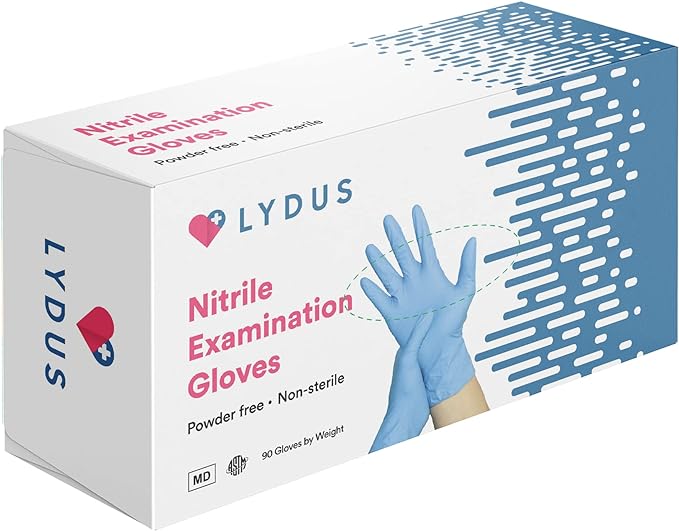
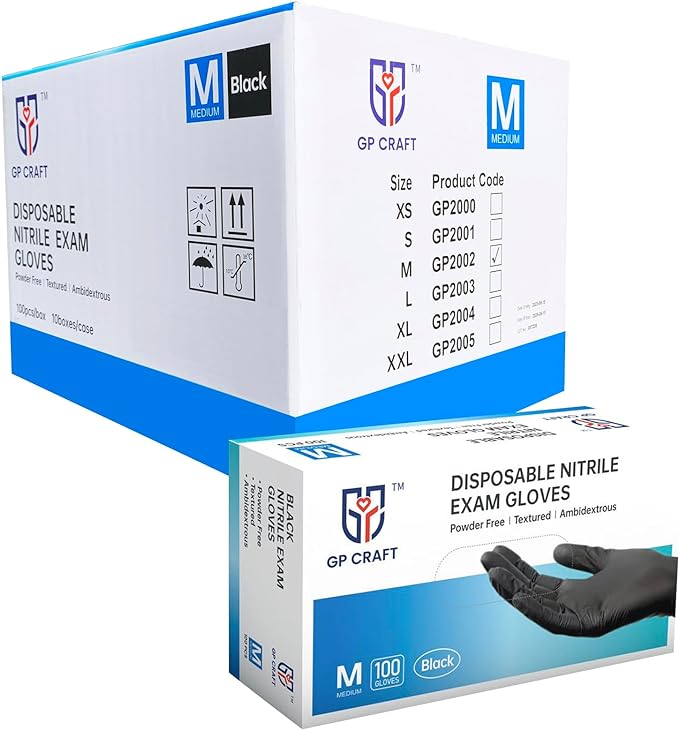
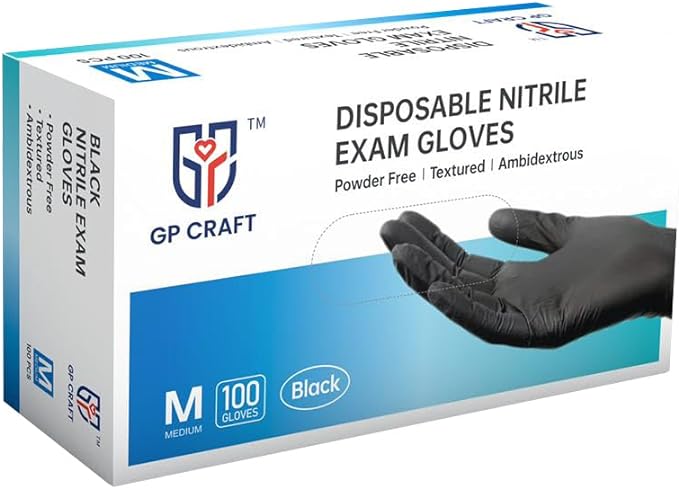
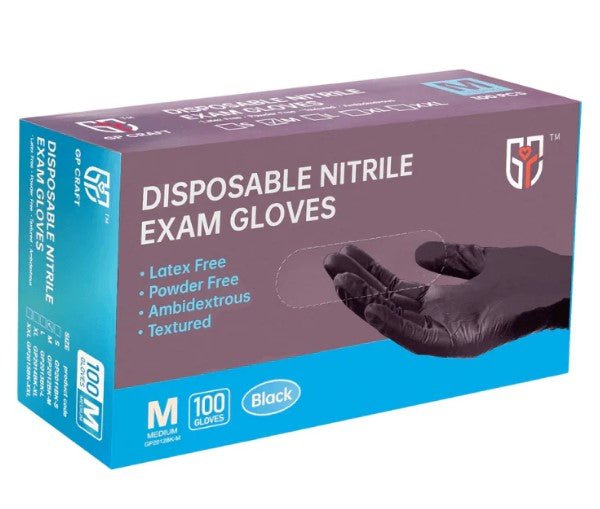
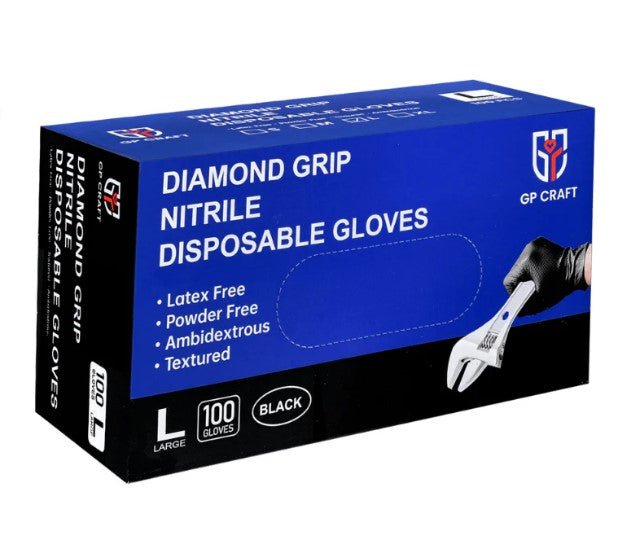
AP Medical Supply carries law enforcement gloves built for patrol, search, and evidence handling, from NFPA-certified nitrile to puncture-resistant latex. Every case ships in bulk with fast US delivery, so departments and security teams can equip officers with duty-ready protection without slowing down procurement. Whether you are comparing the best gloves for law enforcement or restocking a full unit, this collection has you covered.
Law Enforcement Gloves for Every Duty Assignment
This collection brings together the law enforcement gloves that police departments, sheriff's offices, corrections facilities, and private security teams rely on for daily operations. Every product here is selected because it addresses a real risk officers face on shift, whether that is bloodborne pathogens during an arrest, sharp objects during a search, or hazardous residue during evidence collection.
The range spans nitrile and latex exam gloves in multiple thicknesses, colors, and cuff lengths, sourced from brands already trusted in medical and industrial settings, including Diamond, GMP Medicare, and SkinTx. Many of these gloves carry the same certifications used by EMS and hospital staff, such as NFPA 1999:2018 and ASTM D6319, so departments can document compliance during equipment audits.
Because officers rarely need just one glove type, this collection also connects to the full gloves range for teams that also stock supplies for training rooms, holding cells, or medical co-response units. Procurement teams can order by the case, request a quote for larger contracts, and reorder the exact SKU each time so every shift has matching gear.
Key Benefits and Features to Look For
Not every disposable glove on the market is built for law enforcement work, so it helps to know which features actually matter on shift.
Puncture and cut resistance comes first. A glove rated below 4 mil is fine for paperwork, but a proper search or evidence intake calls for a thicker, better-tested barrier. For units handling unknown chemical substances regularly, look specifically for gloves tested against ASTM D6978, the standard that measures how long a glove resists continuous chemical permeation from potent controlled substances and hazardous chemical agents. Standard exam-grade gloves are only tested for physical leaks; ASTM D6978-rated gloves go further by confirming an impermeable molecular barrier under continuous chemical contact.
Tactile sensitivity is the feature most gloves get wrong. A glove that is too thick or poorly fitted will slow down a pat-down, fumble a handcuff key, or interfere with a trigger guard. The best options balance thickness with a textured, second-skin fit so officers keep full control of their equipment.
Color is an active safety tool, not just an aesthetic choice. Black nitrile gloves create immediate visual contrast against the light-colored powders and residues commonly encountered during search and evidence operations. When a black-gloved hand comes into contact with unknown residue, even a microscopic trace becomes visible on the fingertip surface, giving the officer a clear signal to stop and decontaminate before touching their face or another surface.
AQL rating is worth checking on any glove going into a law enforcement procurement spec. AQL stands for Acceptable Quality Level and measures the maximum allowable pinhole rate in a manufactured batch. A medical-grade AQL of 2.5 or better means the batch has been tested to confirm no factory micro-tears, which matters when the substance being handled can absorb transdermally in very small amounts.
Finally, bulk case packaging keeps per-unit cost low and ensures every officer on the roster gets the same glove. Departments that buy smaller packs often end up with higher spend per pair over a full year because thin gloves require multiple changes per shift.
Applications: Patrol, Search, Evidence Handling and More
Officers move through several different risk levels in a single shift. Choosing the right law enforcement gloves for each scenario can mean the difference between adequate protection and a genuine exposure risk.
Patrol and traffic stops are the most common scenario, and they call for a lighter, flexible glove that stays on comfortably for hours without limiting dexterity. A 4 to 5 mil nitrile glove usually covers this need without slowing down routine paperwork or radio use.
Searches and pat-downs raise the risk level. Officers checking pockets, vehicles, or bags may encounter needles, broken glass, or unknown residue, so a thicker glove with confirmed puncture resistance is the safer choice. Many departments standardize on a 5 to 6 mil nitrile glove for this exact reason, and the black color option helps detect any trace chemical contact on the fingertips immediately.
Evidence handling and crime scene work demand the highest level of chemical and biological protection. Investigators may be in prolonged contact with bodily fluids or hazardous substances, so gloves rated for extended wear and tested against bloodborne pathogens are essential, along with frequent glove changes to preserve chain of custody.
Correctional and booking environments bring a different challenge, since they involve high glove turnover and frequent contact between officers and inmates. Facilities in this category often prioritize cost-effective, powder-free gloves that still meet a minimum protection standard, ordered in high-volume cases to match daily intake numbers.
Hazardous substance and chemical exposure scenarios represent the highest-risk category in field operations. Officers who come into contact with unknown powders or residues need gloves specifically tested for chemical permeation resistance under ASTM D6978, which goes beyond standard exam-grade protection by confirming an impermeable molecular barrier against continuous exposure to potent controlled substances. Standard disposable gloves are tested only for physical leaks; ASTM D6978-rated gloves provide an additional layer of chemical resistance critical for this type of duty assignment.
How to Choose the Right Law Enforcement Gloves for Your Role
Choosing the right glove starts with matching thickness to risk, then confirming material, fit, and sizing across the full roster.
Thickness is measured in mils, and a small increase makes a real difference in protection. A 3 to 4 mil glove is fine for light-duty tasks like paperwork or basic patrol, but most law enforcement roles are better served by 5 mil or higher.
- 3–4 mil: Light duty, routine patrol, paperwork.
- 5–6 mil: Search, pat-downs, general evidence handling.
- 7–8 mil and up: Hazardous substance handling, extended chemical exposure, heavy-duty field tasks.
As a quick guide, thickness should scale with the risk of contact, not just personal preference.
Fit matters just as much as thickness. A glove that is too loose reduces grip on a firearm or handcuffs, while one that is too tight tears faster and fatigues the hand over a long shift. Departments should order a full size spread, from small through XXL, so every officer gets a proper fit rather than defaulting to medium or large for the whole roster. An ill-fitting glove that blows out under pressure costs more in replacement pairs than upgrading to a heavier mil count from the start.
Material choice should follow the guidance below, but as a general rule, nitrile is the safer default for most departments because it removes the latex allergy variable entirely and holds up better against chemicals and punctures over a full shift.
Nitrile vs Latex: Which Material Fits Your Duty Assignment
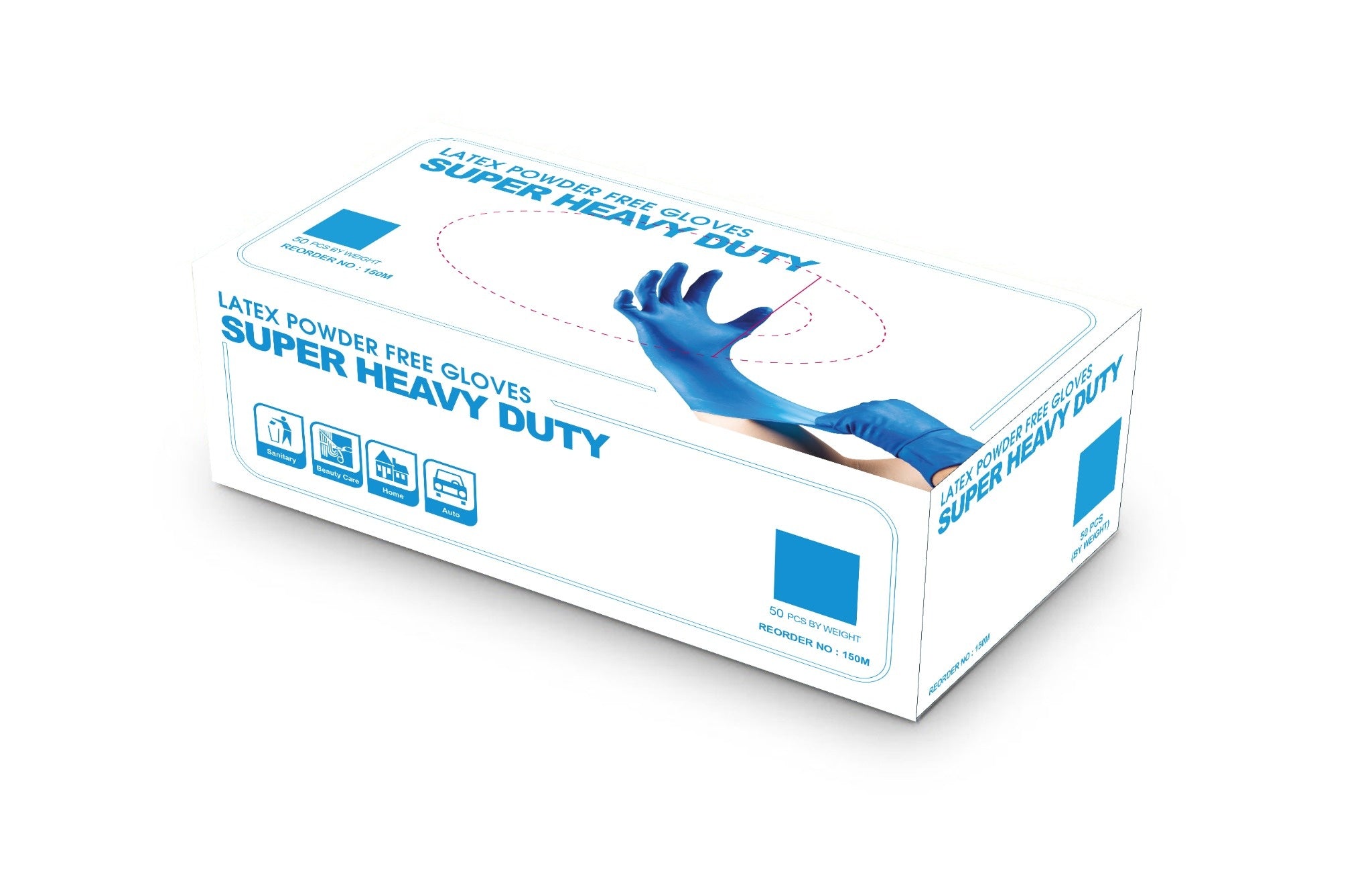
Most departments choose nitrile gloves because they resist punctures and chemicals better than natural rubber, and they will not trigger the latex allergies that some officers or individuals they encounter may have. Latex still has a place for departments that want extra stretch and a snug, second-skin fit for detailed searches, as long as no allergy risk is present.
Nitrile also holds up better during longer shifts and repeated glove changes, since it resists ozone, oils, and many common solvents that break down natural rubber over time. This resistance to environmental degradation is one reason why most departments that have standardized on a single glove type across their entire unit have chosen nitrile, rather than maintaining separate latex and nitrile inventories for different assignments.
Latex remains a valid option for teams focused purely on tactile precision, such as detailed pat-downs or fine motor tasks, where its natural stretch gives a closer fit than most nitrile blends. The tradeoff is the allergy risk, both for officers with sensitive skin and for the public they come into contact with during an arrest or search.
- Nitrile: Chemical and puncture resistant, latex-free, resists ozone and solvents. Best for evidence handling, hazardous substance operations, general patrol, and any unit standardizing on one glove type.
- Latex: Strong stretch, close fit, high tactile sensitivity. Best for detailed pat-downs and dexterity-focused tasks where no latex allergy risk is present.
In short, nitrile suits most patrol and evidence work, while latex fits officers who prioritize fit and feel over chemical resistance.
Top Law Enforcement Gloves at AP Medical Supply
These are some of the best law enforcement gloves officers and procurement teams reach for most often, chosen for their certification, durability, and consistent bulk availability. Each one ships in a wholesale case, so departments can standardize on a single SKU across an entire shift or facility.
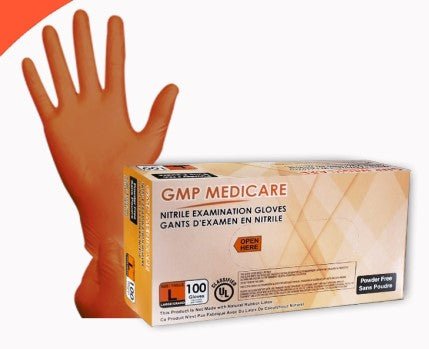
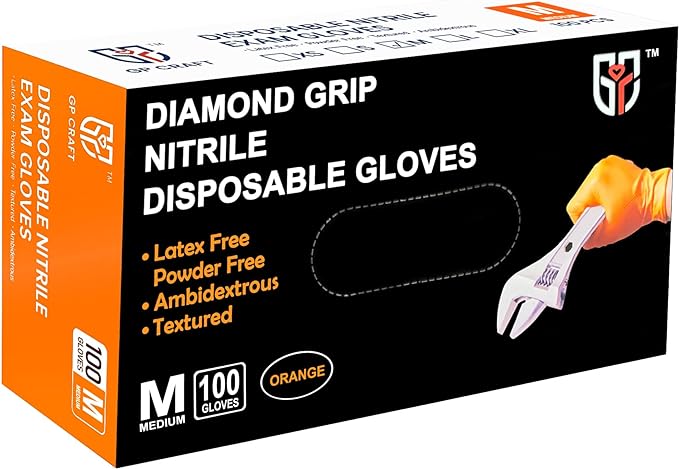
GMP Medicare 6 mil NFPA 1999:2018 Certified Orange Nitrile Gloves stand out for their high-visibility orange color and NFPA 1999:2018 certification, which confirms they meet recognized US emergency response protection standards. They are ASTM D6978-rated for chemical permeation resistance, making them a strong fit for hazardous substance handling and evidence work. The 6 mil thickness holds up well through a full shift, and the orange surface makes trace chemical contact visible under field conditions.
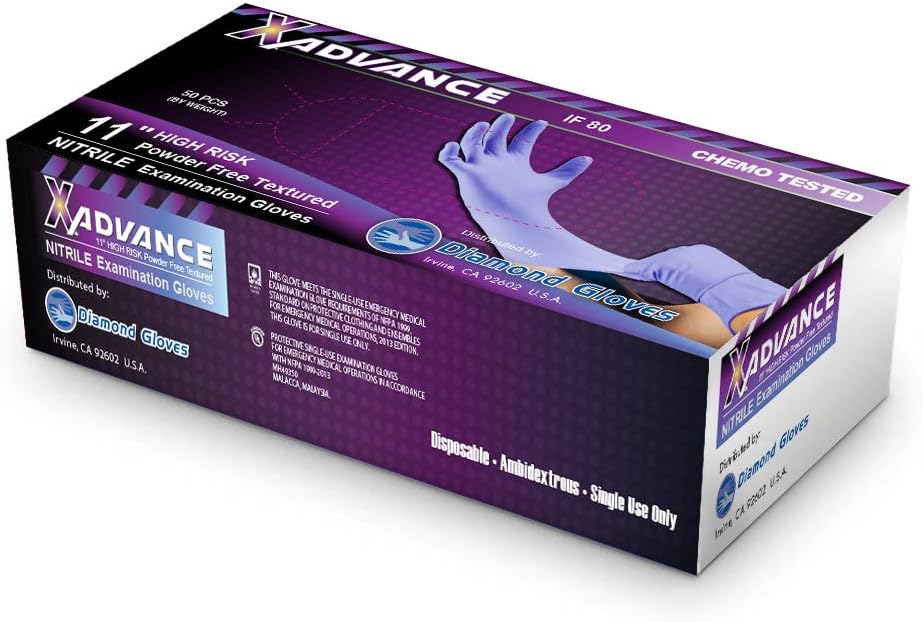
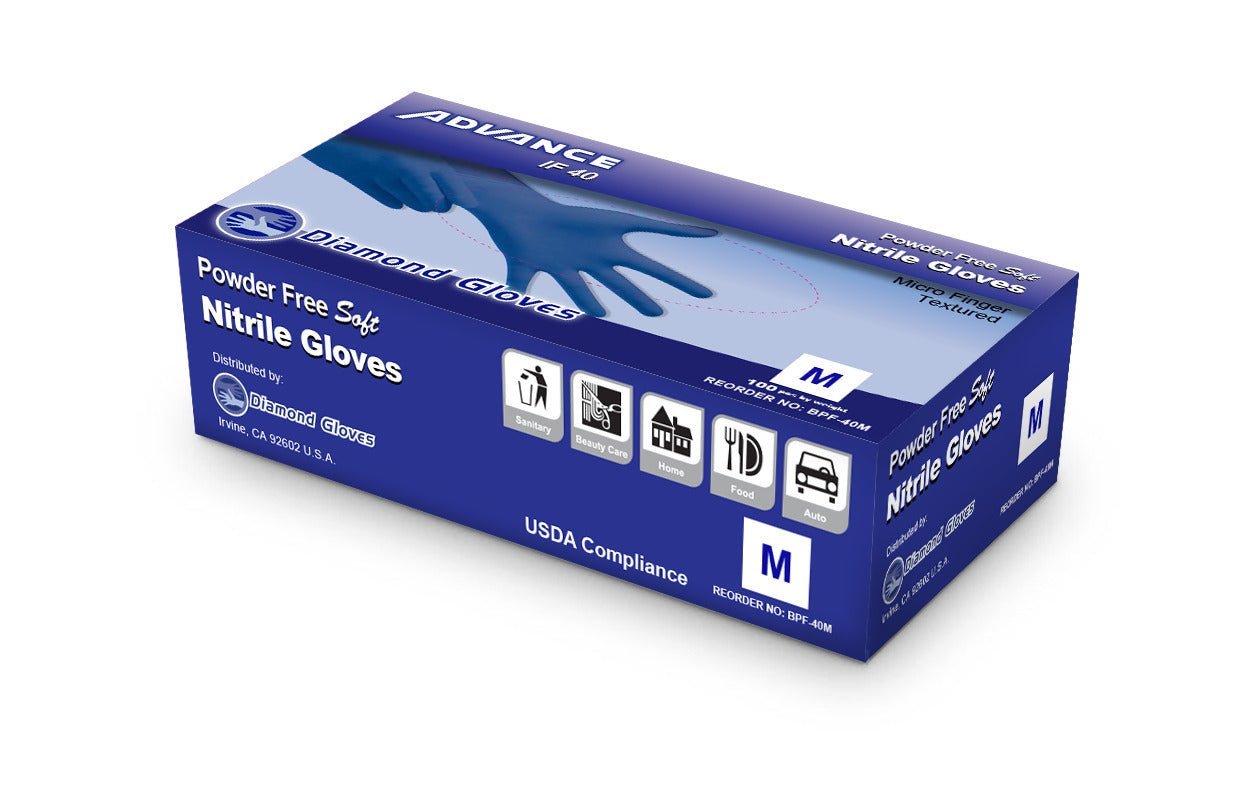
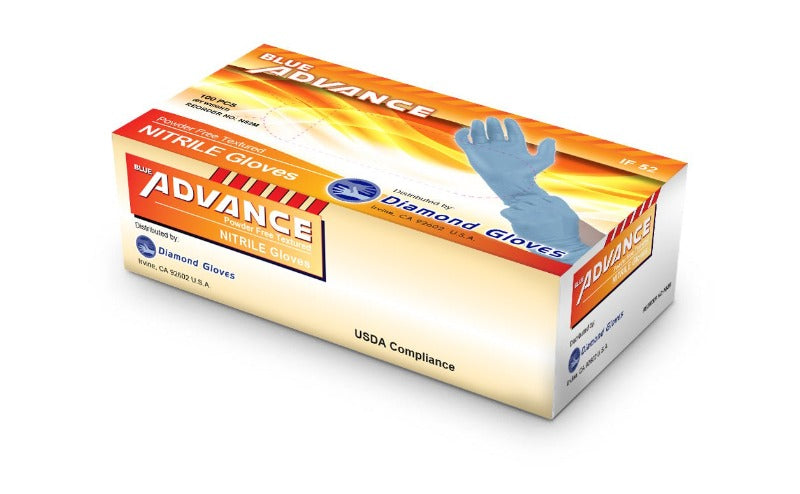
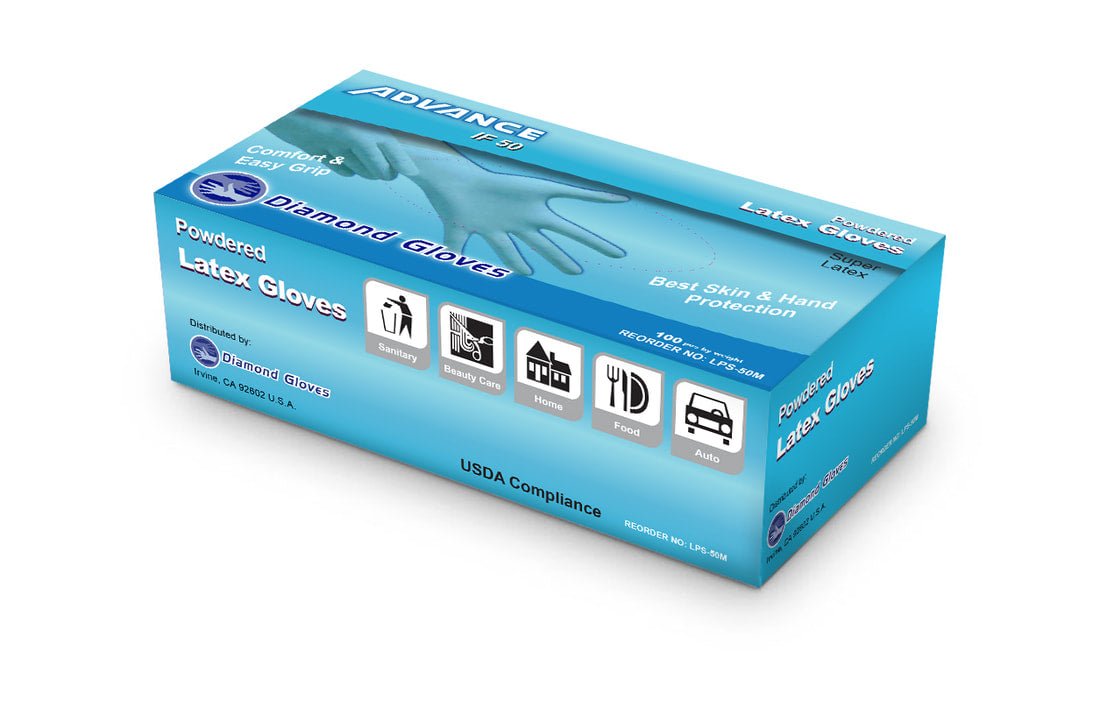
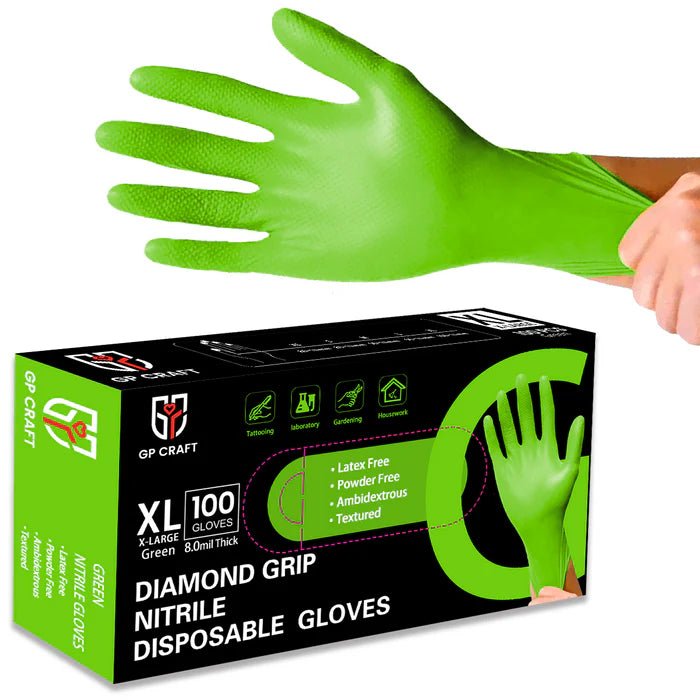
Diamond Blue 5 mil Nitrile Exam Gloves are a trusted pick for evidence handling and crime scene investigation. The fully textured surface keeps a secure grip when handling small evidence items, and the 5 mil nitrile shell provides a dependable barrier against punctures and common chemicals without sacrificing dexterity. Medical-grade and chemo-tested, these are suited to units that need a certified barrier for bloodborne pathogen exposure.
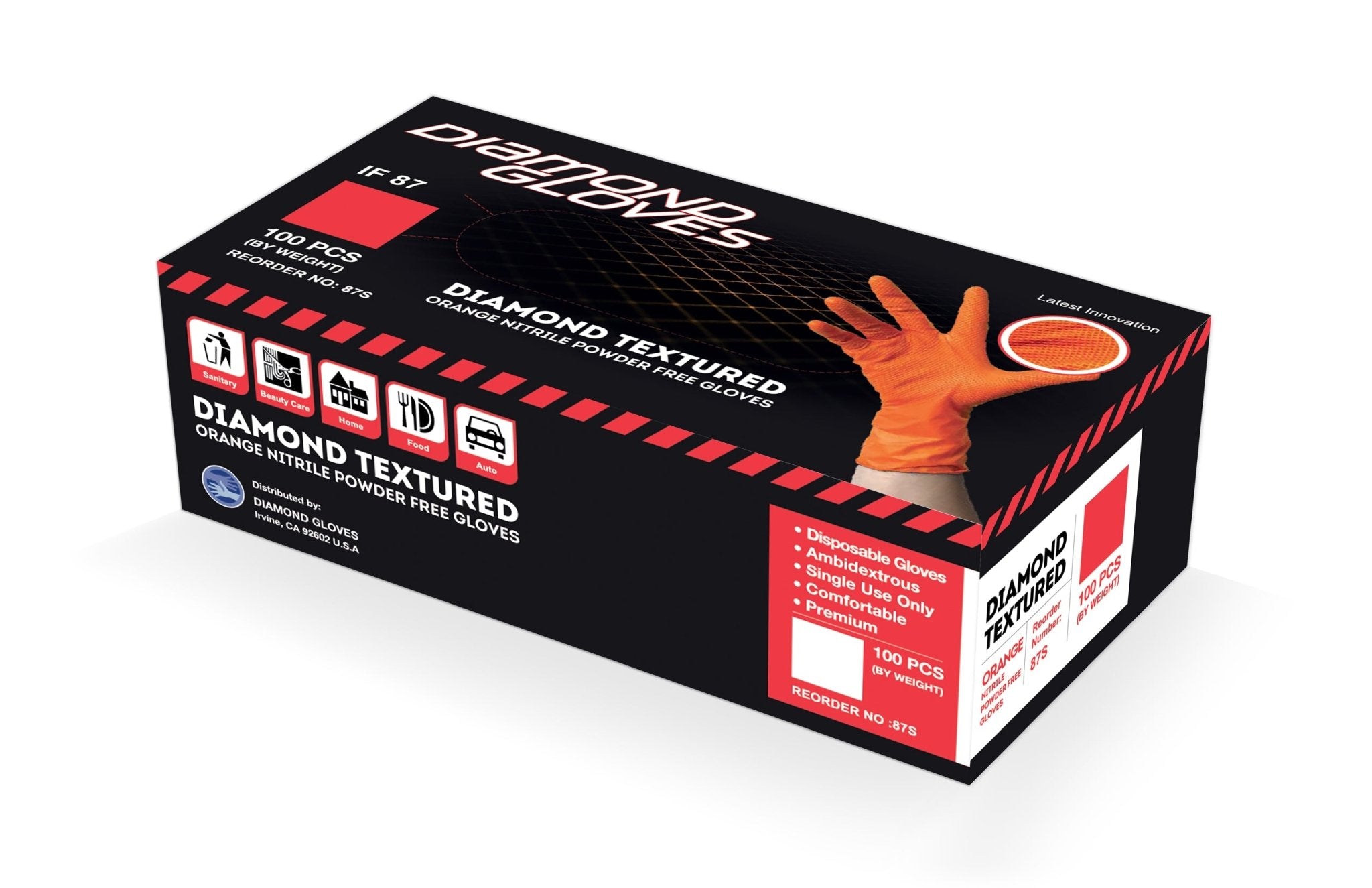
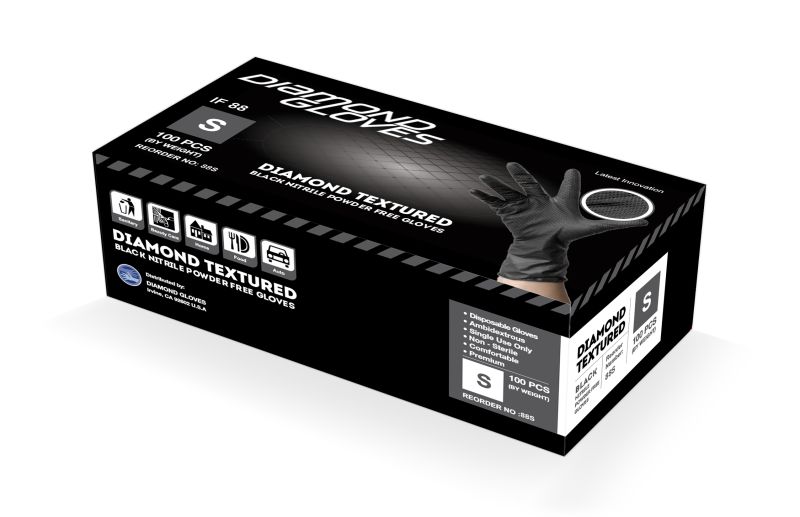
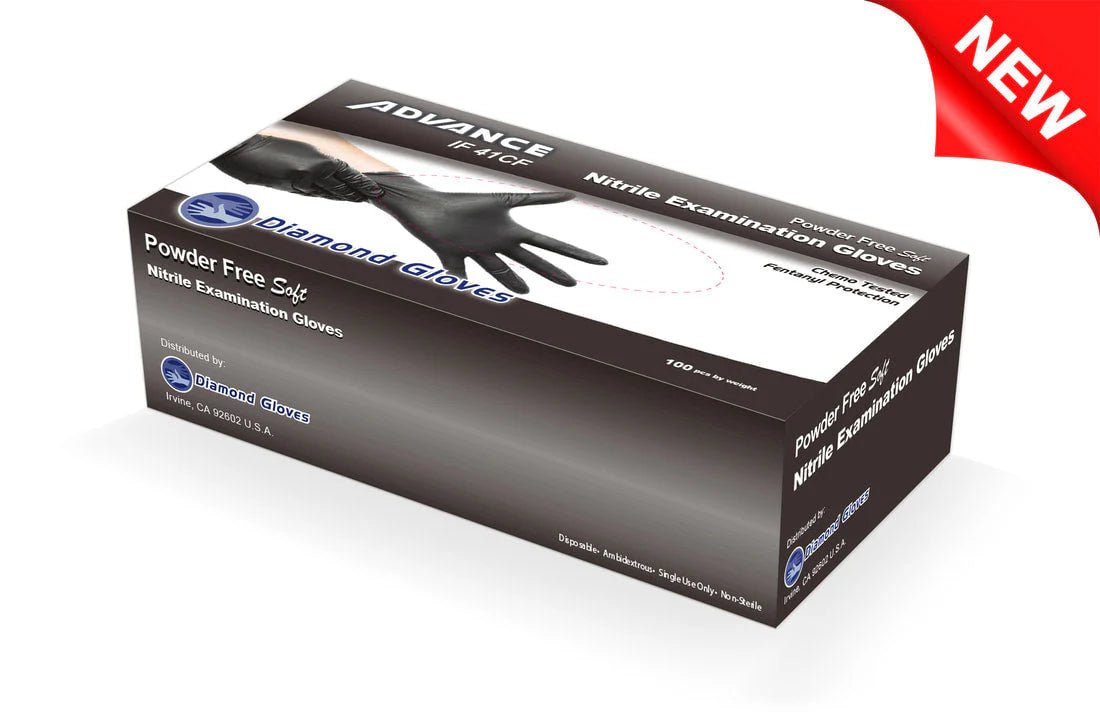
Diamond Black 5 mil Nitrile Exam Gloves bring the same 5 mil nitrile protection in a powder-free, micro-textured black finish. The black surface is a practical choice for search, evidence handling, and chemical substance operations, since it creates immediate visual contrast against light-colored powders and residues. The ambidextrous design and beaded cuff make them easy to deploy and size across a large roster.
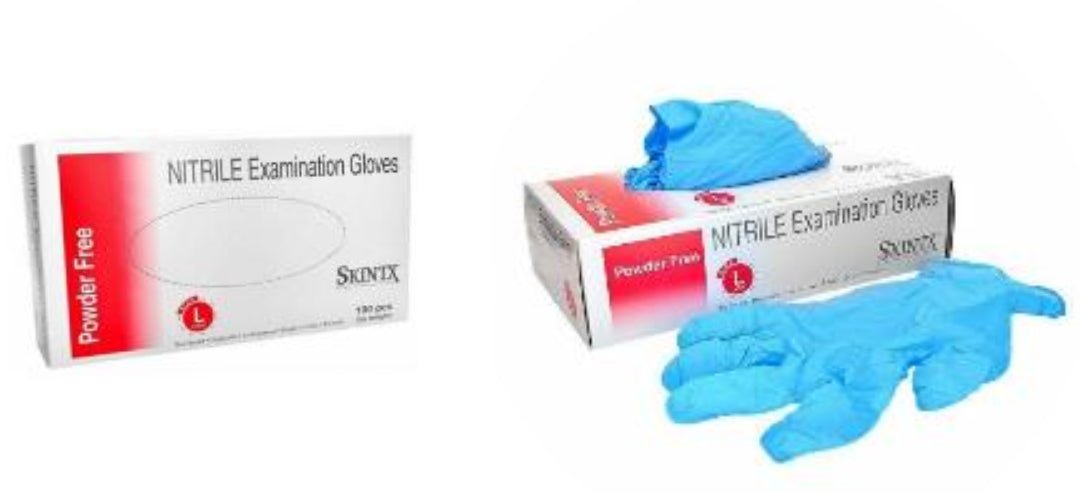
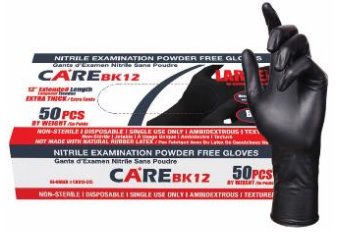
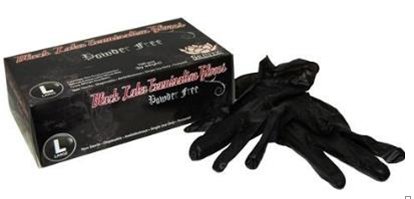
SkinTx 6 Mil Black Latex Gloves cover departments that prefer latex for its natural stretch and snug fit. The 6 mil thickness adds puncture resistance beyond standard exam-grade latex, and the black color suits both the visual detection advantage and the low-visibility preference many units have for search and patrol work. Best suited for teams with no latex allergy considerations.
Why Buy Law Enforcement Gloves at AP Medical Supply
AP Medical Supply stocks certified, wholesale-ready law enforcement gloves with transparent specs on every product page, so procurement teams know exactly what they are ordering before a case ships. Every listing includes material, thickness, certification, and sizing information upfront, which makes budget approval and equipment audits faster for department leadership.
Cases ship fast from the US, and orders over $200 qualify for free shipping, which keeps per-order costs predictable for departments managing multiple stations or shifts. For larger contracts, the team can also put together a custom quote, so agencies are not locked into standard case sizes when ordering for a full roster.
Beyond this collection, AP Medical Supply also stocks the wider best-selling gloves and related PPE that departments often need alongside duty gloves, such as face masks and patient care supplies for medical co-response situations. That means procurement teams can consolidate more of their PPE ordering with a single supplier instead of managing several vendor accounts for related gear.
FAQs
Are these law enforcement gloves resistant to needle sticks?
Nitrile gloves rated 5 mil or higher, like the Diamond Blue and Black options, offer strong puncture resistance for searches involving needles or sharp evidence.
Should officers use nitrile or latex gloves for duty work?
Nitrile is the more common choice because it resists chemicals and punctures better and removes the risk of latex allergies for both officers and the public they encounter.
Do these gloves meet NFPA standards?
The GMP Medicare Orange Nitrile gloves are NFPA 1999:2018 certified, meeting recognized US emergency response protection standards.
Can departments order these gloves in bulk?
Yes, all gloves in this collection ship in wholesale cases, and orders over $200 qualify for free shipping across the US.
What glove thickness is best for evidence handling?
A 5 to 6 mil nitrile glove offers a good balance of puncture resistance and tactile sensitivity for handling evidence and samples.
Are these gloves powder-free?
Yes, every glove listed in this collection is powder-free to reduce contamination risk during searches and evidence collection.
What sizes are available for law enforcement gloves?
Most gloves in this collection come in sizes small through XXL, so departments can order a proper fit across every officer on the roster.
Why do many officers prefer black gloves for search work?
Black nitrile gloves create immediate visual contrast against light-colored powders and residues, making trace chemical contact visible on the fingertip surface before the officer touches their face or any secondary surface.
What is AQL rating and why does it matter for law enforcement?
AQL stands for Acceptable Quality Level and measures the pinhole defect rate in a glove batch. A medical-grade AQL of 2.5 or better confirms no factory micro-tears, which is critical when handling substances that can absorb through the skin in very small amounts.