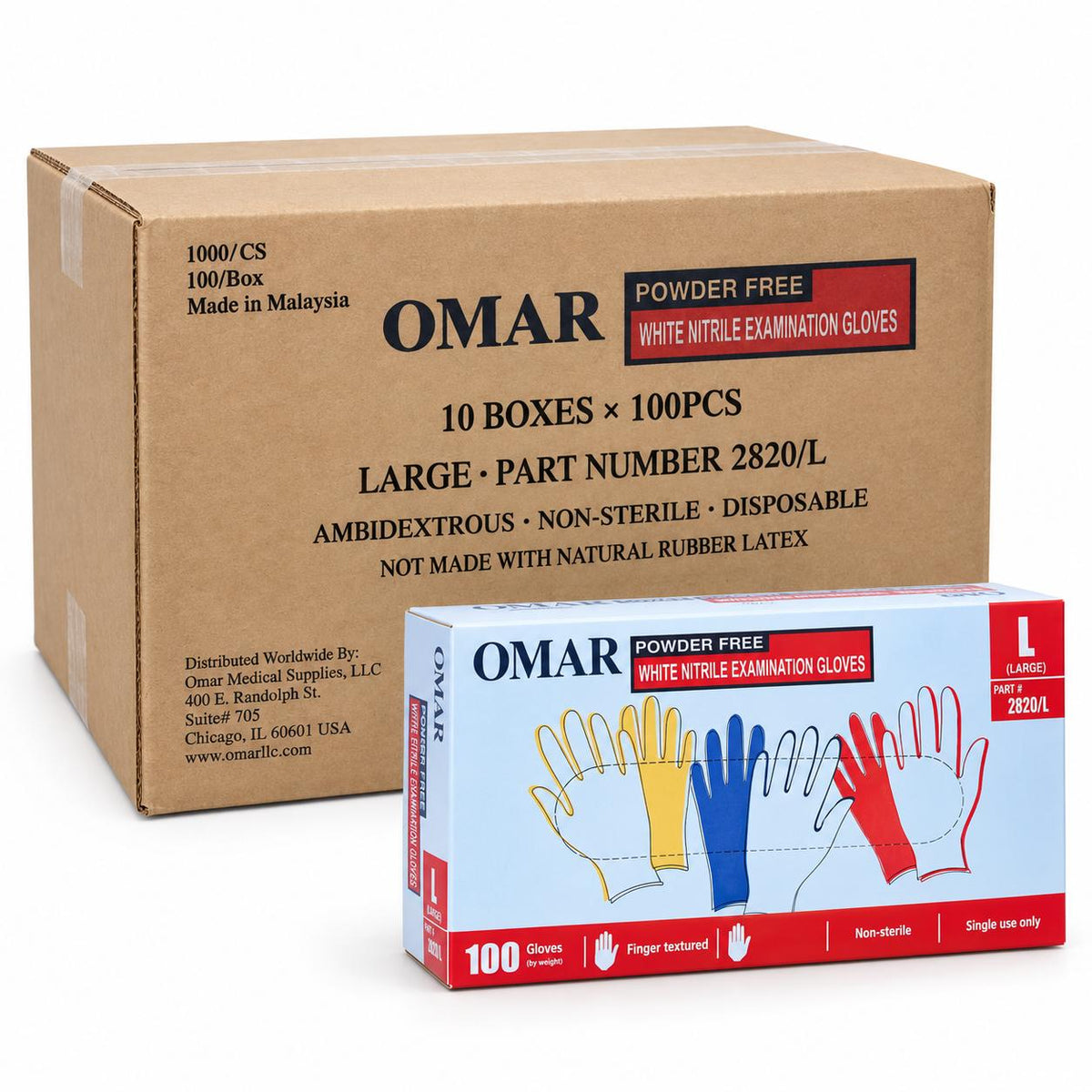
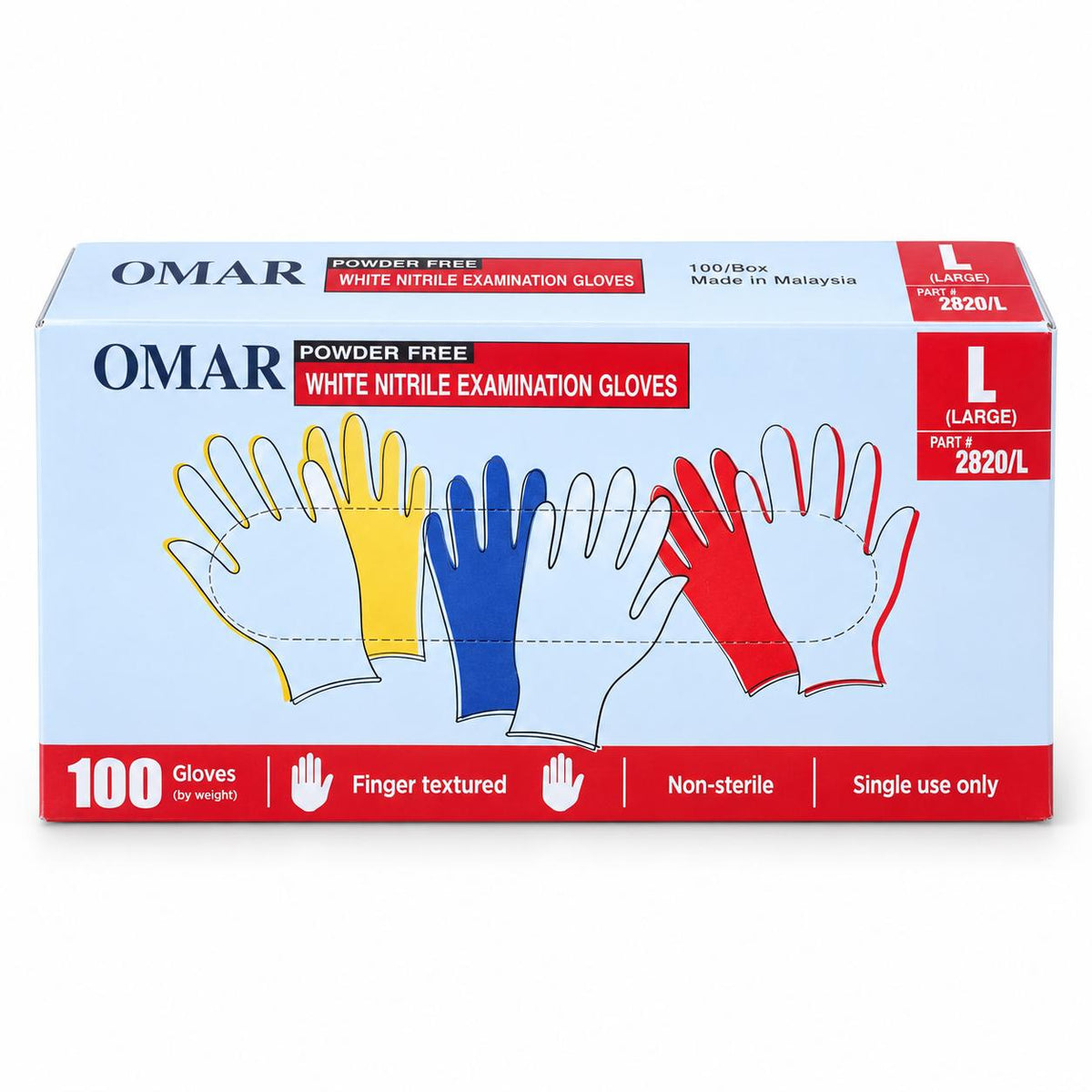
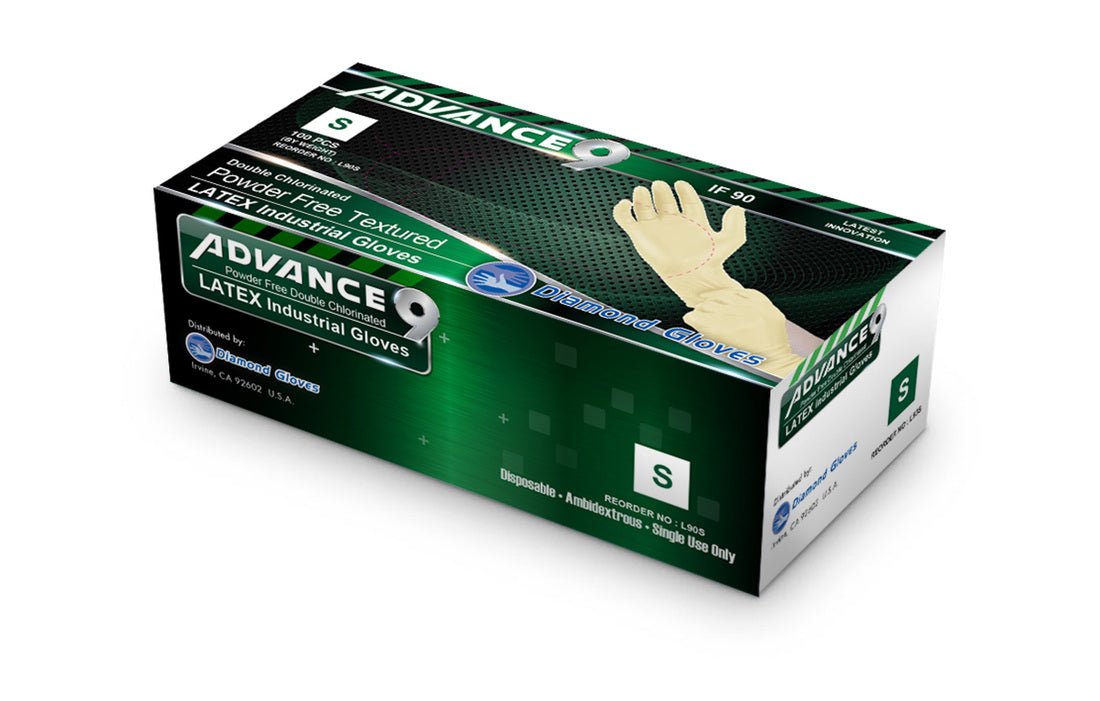
Agriculture gloves are an essential part of daily farm operations, covering everything from milking and livestock care to produce packing, food processing, and chemical cleaning. AP Medical Supply carries a full range of disposable nitrile and latex agriculture gloves sold by the case, with options across thickness, cuff length, and material to match every task your operation demands.
Choose the Right Agriculture Gloves for Every Farm Task
Not every glove fits every job. Material type, mil thickness, and cuff length each play a specific role in determining how well a glove performs under real agricultural conditions.
Material: Nitrile vs. Latex
- Nitrile is the strongest all-round choice for farm environments. It resists a wide range of agricultural chemicals, pesticides, iodine solutions used in dairy sanitation, and oils from equipment work. It is latex-free, making it suitable for workers with latex sensitivities.
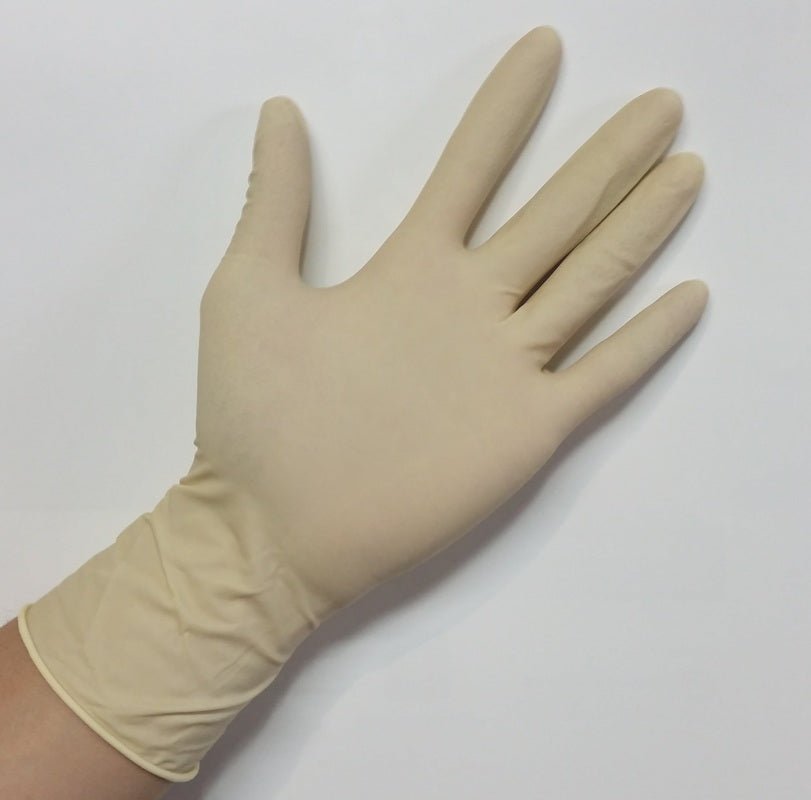
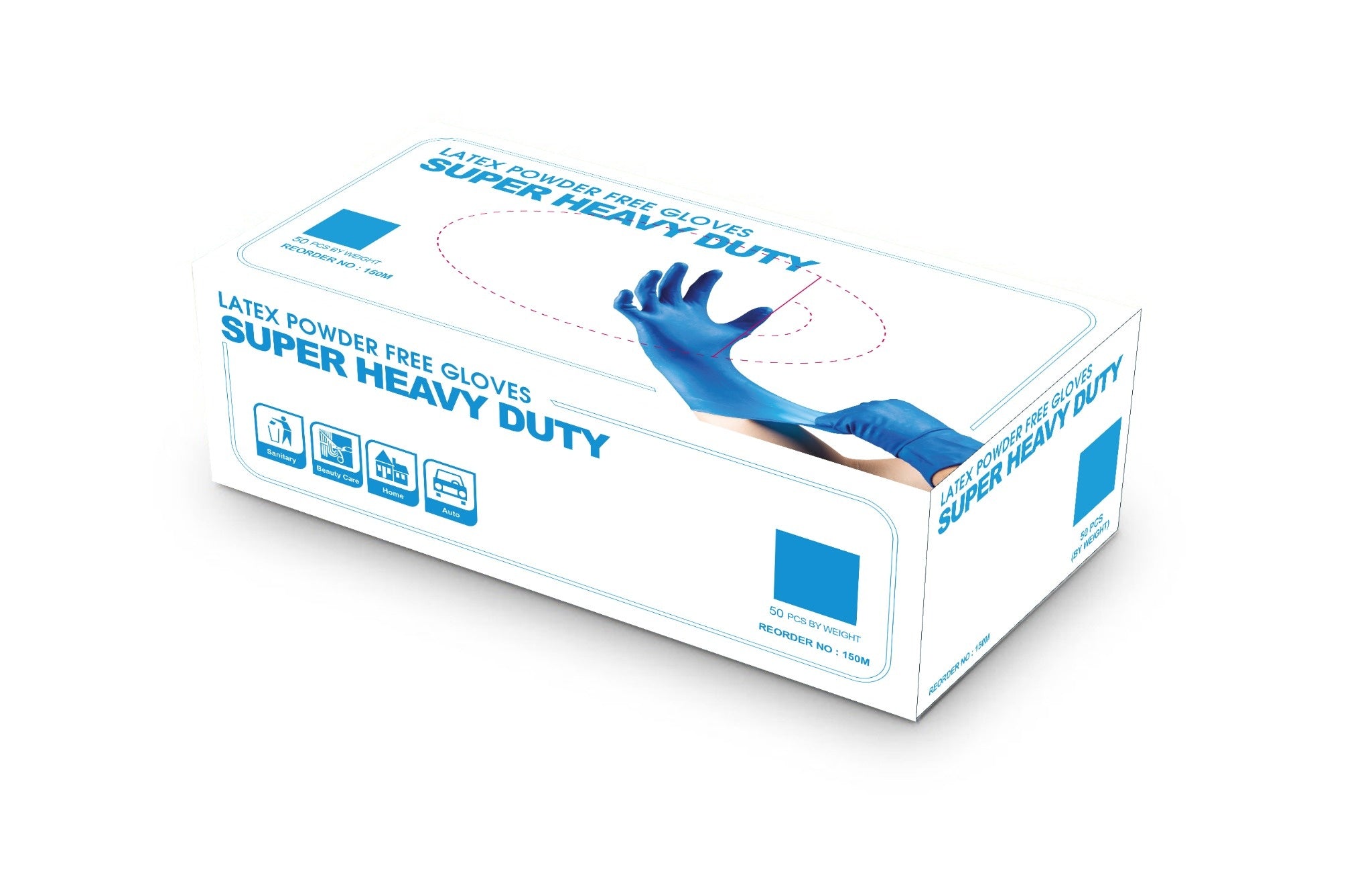
- Latex offers excellent elasticity and tactile feel, making it a practical option for produce handling and short-duration tasks. However, latex does not hold up against petroleum-based chemicals and is not suitable for workers with latex allergies.
In short, nitrile handles the broadest range of agricultural tasks, including any work involving chemicals or iodine. Latex is a cost-effective secondary option for clean, short-contact jobs like light produce work.
Mil Thickness by Task
Glove thickness directly determines how long a glove lasts under the conditions of a specific task, and most suppliers discuss material without mapping thickness to application. Here is a practical guide:
- 4 mil - Light produce handling, packing lines, food prep, short-contact work. Good dexterity, lower per-glove cost. Appropriate where barrier integrity is needed but mechanical stress is low.
- 5-6 mil - Milking, livestock healthcare, general farm work, food processing lines. The right balance between durability and feel for extended shift wear. Exam-grade options at this thickness are particularly suited to dairy and food-contact work.
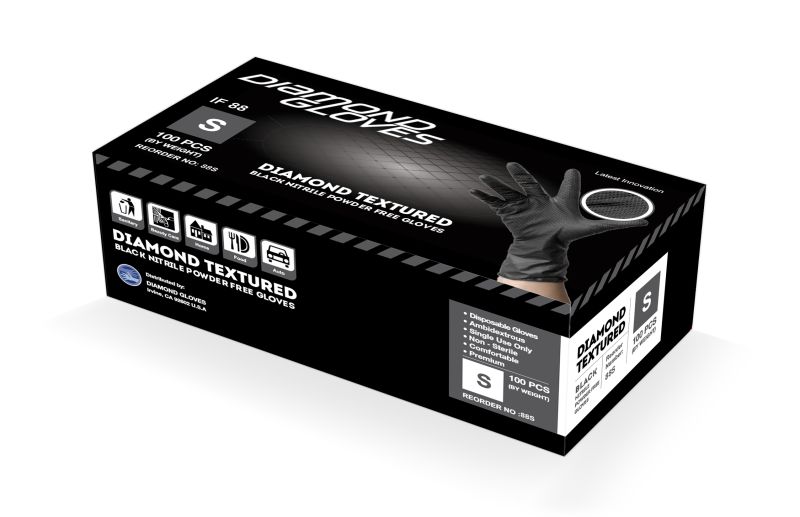
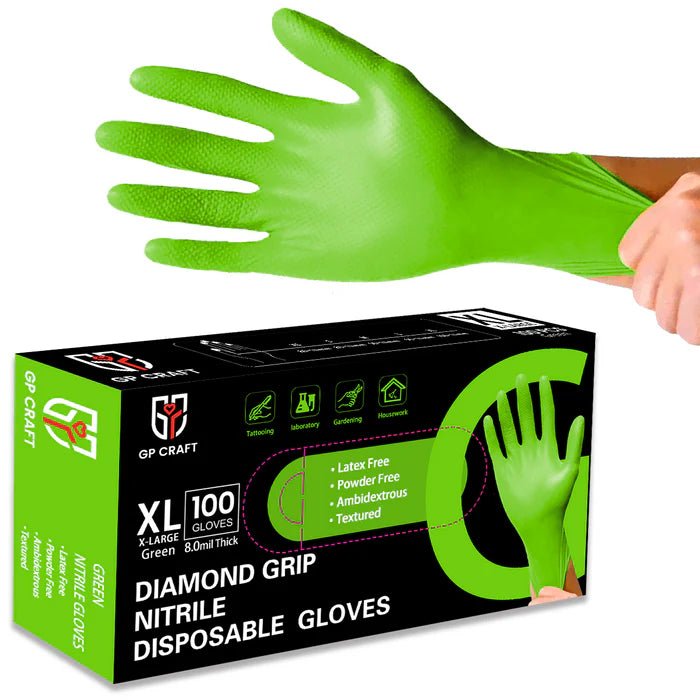
- 8 mil - Farm sanitation, chemical cleaning, equipment maintenance, pesticide application. Thicker wall resists punctures and chemical permeation during sustained contact. Diamond-textured grip variants add control in wet or oily conditions.
- 10-14 mil - Extended-contact chemical or veterinary procedures, or any task where a standard glove has been tearing before the job is finished.
In short, buy by the task, not just the price per case. A 4 mil glove on a chemical cleaning crew costs more in replacements and risk than a correctly specified 8 mil.
Cuff Length
Standard-cuff gloves (7-9 inches) are appropriate for most field, packing, and milking tasks. A 12-inch extended cuff provides forearm protection during chemical mixing, tank cleaning, and washing procedures where splashing is likely. Shoulder-length or OB-style gloves are used for veterinary and reproductive procedures. Selecting the wrong cuff length is one of the most common mistakes in farm PPE purchasing - a standard glove on a chemical cleaning task leaves the wrist exposed, negating part of the protection the glove provides.
Exam-Grade vs. Industrial-Grade for Farm and Food Applications
Exam-grade gloves are produced to AQL 1.5 - meaning fewer than 1.5 defective units per 100 tested. Industrial-grade gloves are typically produced to AQL 2.5 or higher. For dairy milking, food processing lines, and produce handling where a glove failure creates a contamination event, exam-grade gloves offer a measurable quality advantage over standard industrial gloves. Several products in this collection carry exam-grade certification, making them appropriate for food-contact and animal-health environments.
Agriculture Gloves by Specialty and Application
Agricultural operations span several distinct work environments, each with specific glove requirements. Browse by specialty below, or read through the application guide to identify the right glove for each task your team performs.
Dairy and Milking Gloves
Milking parlors demand gloves that resist iodine teat dip, block bacterial transfer between animals, and hold up across a full milking rotation. Nitrile is the recommended material for this application - it does not absorb bacteria into surface crevices the way bare skin does, and it resists the iodine solutions used to prevent cross-contamination between cows. A 5-6 mil nitrile glove in exam grade is the right specification for most dairy operations. Browse the full Dairy Gloves collection for options tailored specifically to milking environments.
Produce Handling and Packing Gloves
Produce packing lines require gloves that are powder-free, food-safe, and thin enough to maintain grip and dexterity during high-volume sorting and packing. A 4-5 mil nitrile or latex glove in powder-free configuration keeps residue off fresh produce and supports clean handling from field to packaging. These gloves also suit greenhouse work, transplanting, and any task involving direct contact with crops destined for the food supply.
Food Processing Gloves
Food processing environments often require gloves that meet food-contact standards and can withstand extended shift wear on cutting, trimming, and packing lines. A 5-6 mil powder-free nitrile exam glove provides the durability needed for all-day use while maintaining barrier integrity against microbiological contamination. Powder-free is non-negotiable in food processing - powdered gloves can deposit starch residue on surfaces and product. See the full Food and Beverage Gloves collection for options across this category.
Livestock Healthcare Gloves
Working with animals on medication, vaccination, wound care, or reproductive procedures involves contact with biological fluids and requires gloves that hold up under physical stress. A 6 mil or heavier nitrile glove with exam-grade certification is appropriate for most livestock healthcare tasks. For veterinary or OB procedures, a 12-inch or longer cuff is recommended to protect the forearm. The Veterinary Gloves collection covers extended-cuff and heavy-duty options for animal health applications.
Farm Sanitation and Chemical Cleaning Gloves
Cleaning barn equipment, mixing disinfectants, applying pesticides, or handling chemical concentrates requires gloves rated for chemical exposure. An 8 mil nitrile glove with diamond texture provides grip on wet surfaces while the thicker wall resists chemical permeation during sustained cleaning tasks. For chemical-specific applications including solvent handling or mixing, the Chemical Gloves and Janitorial and Sanitation Gloves collections carry options built specifically for these environments.
Featured Agriculture Gloves
AP Medical Supply stocks a wide selection of disposable gloves suited to agricultural applications. A few of the most commonly ordered options across our farm and food-industry customer base:
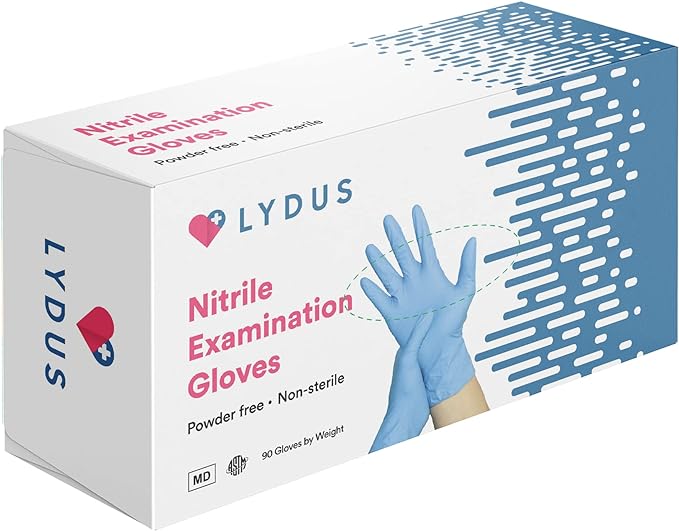
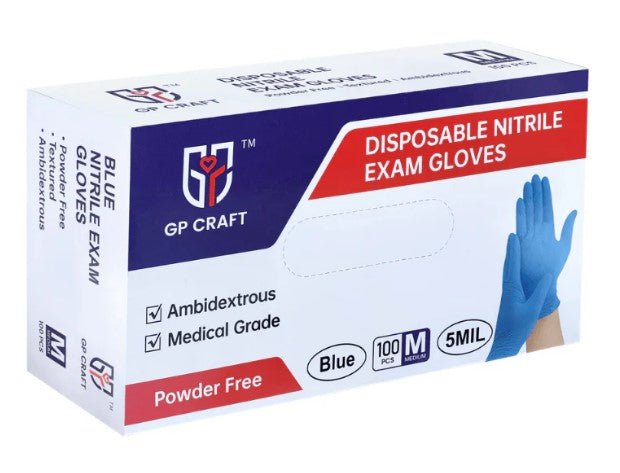
- Lydus 5mil Blue Nitrile Examination Disposable Gloves, Case of 1000 (LBN5) - Exam-grade nitrile at 5 mil, ASTM D6319 and FDA 510k cleared. A strong all-round choice for milking, produce handling, and food processing.
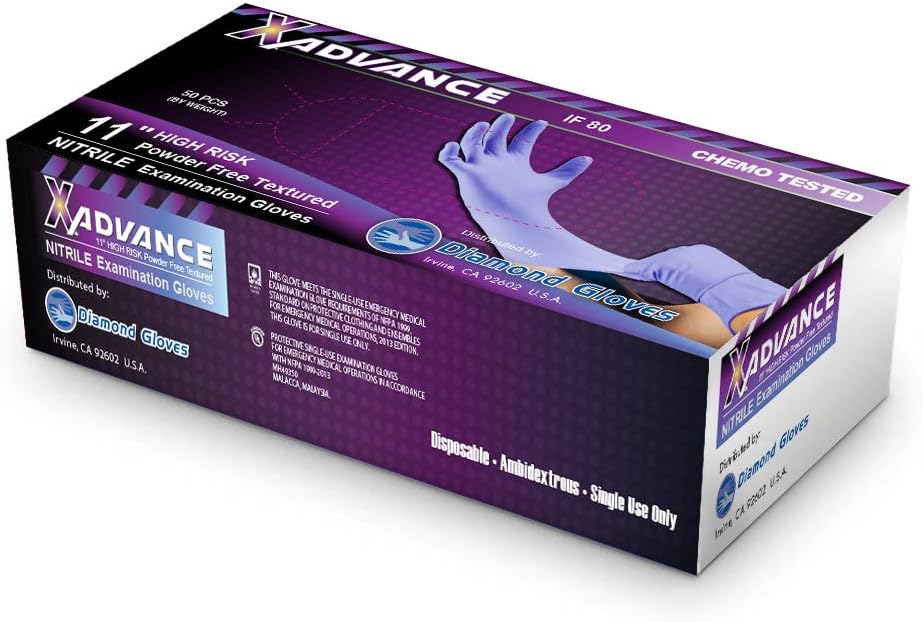
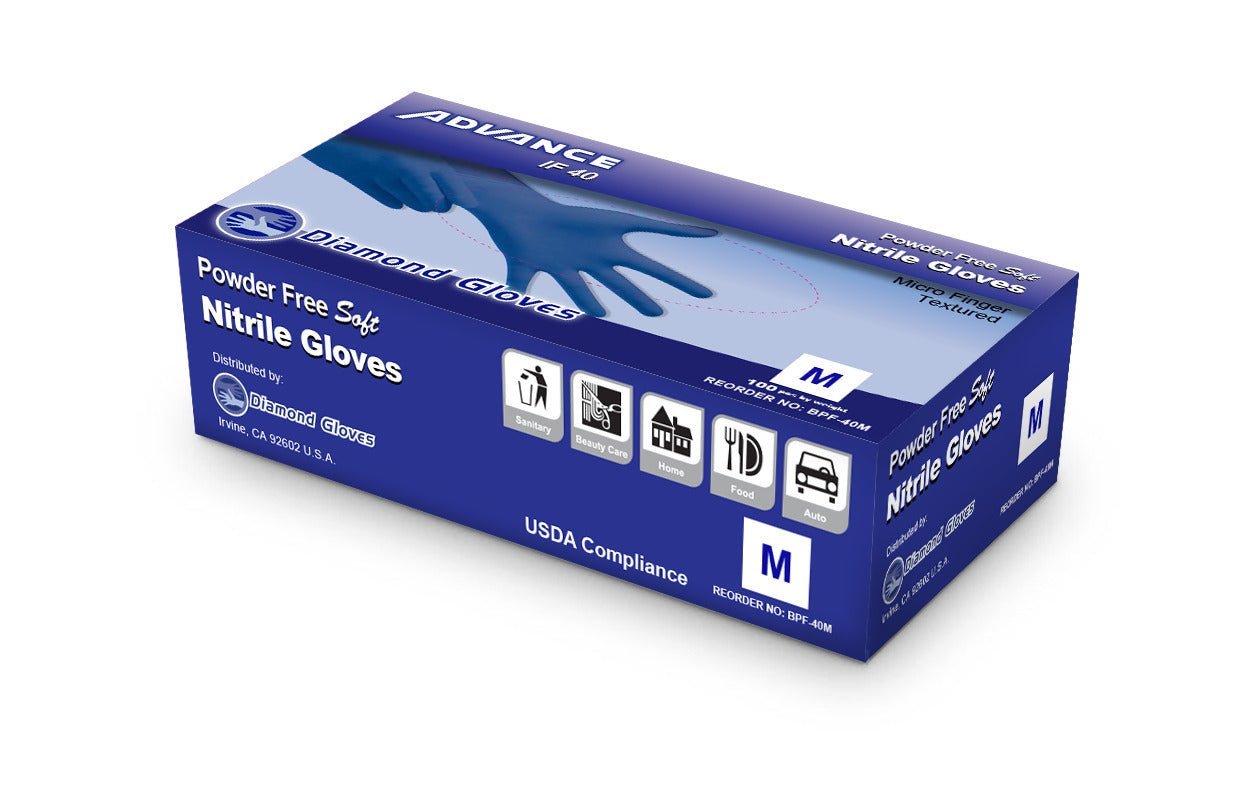
- Diamond Blue 8 mil Nitrile Exam Disposable Gloves, 12" Long Cuff, Case of 500 (IF80) - Extended 12-inch cuff for forearm protection on chemical cleaning and washing tasks.
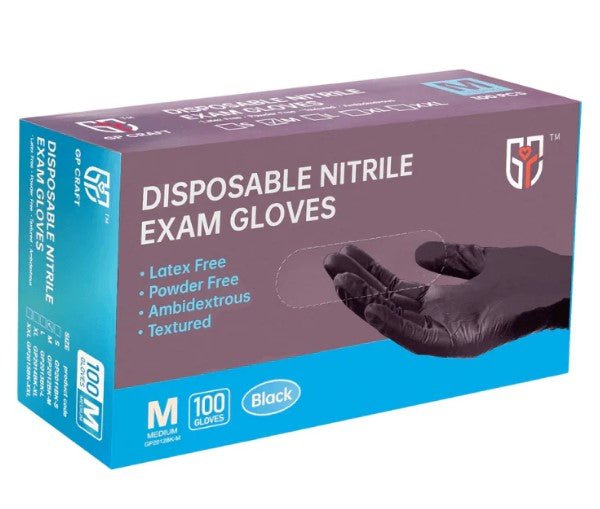
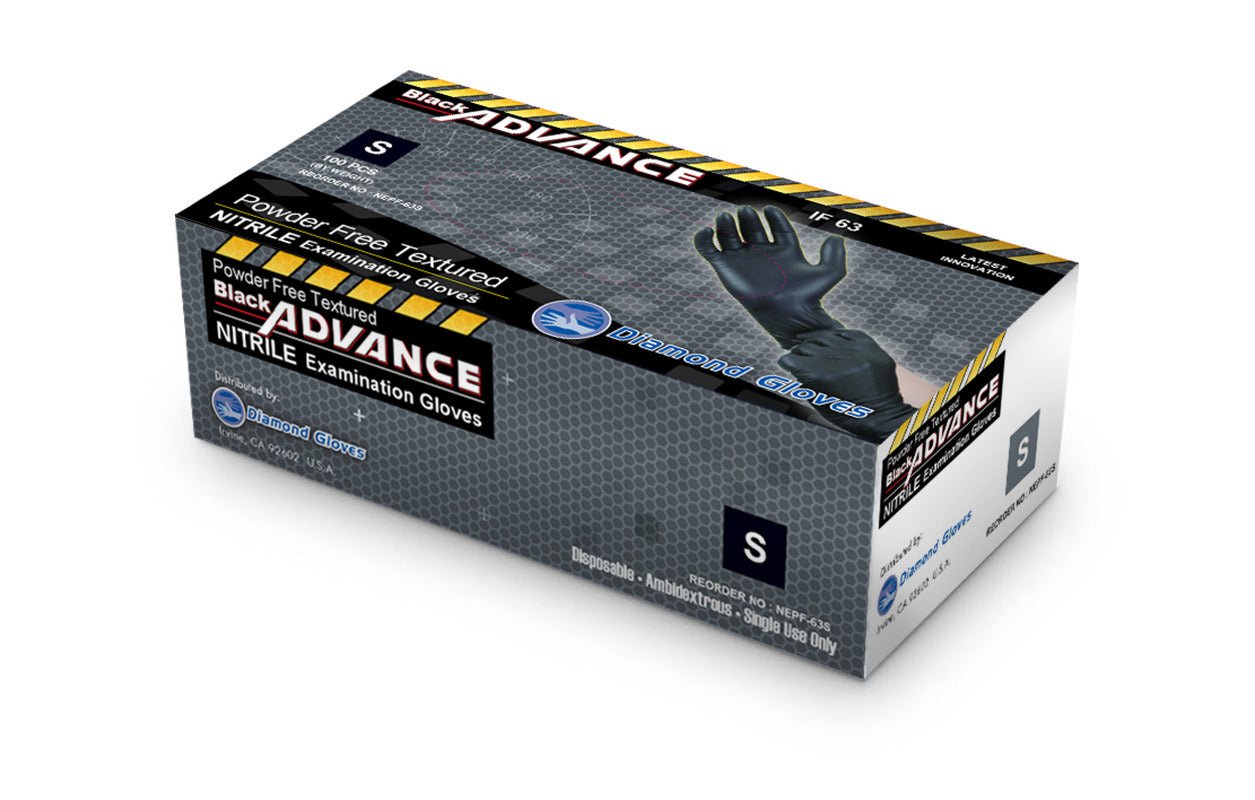
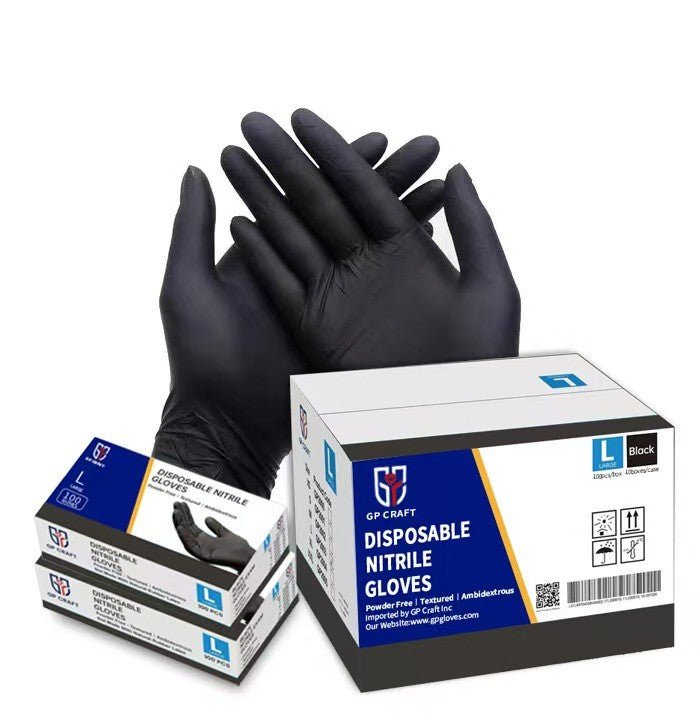
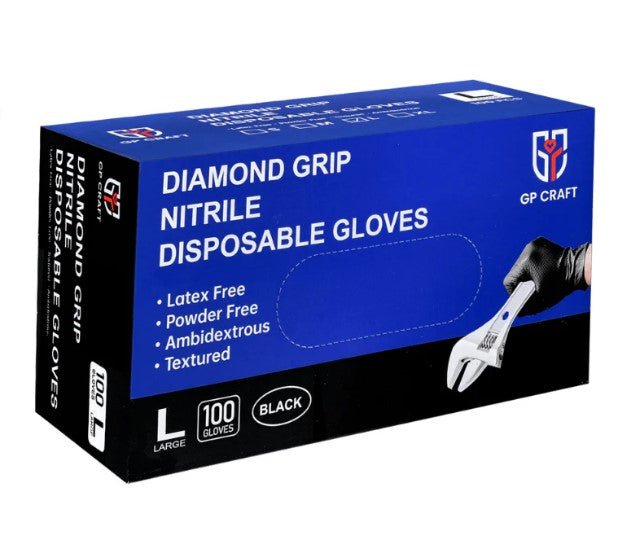
- Alpha Force 5 mil Black Nitrile Heavy Duty Disposable Gloves, Case of 1000 (AF5B) - Chemo-tested heavy-duty nitrile for livestock healthcare and higher-risk farm tasks.
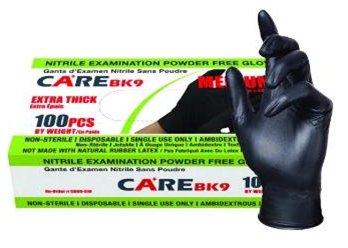
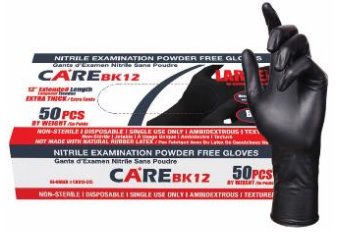
- CARE 12" 7 Mil Black Nitrile Exam Disposable Gloves, Case of 500 (CBK12-5) - 7 mil with extended cuff for farm sanitation and splash-prone applications.
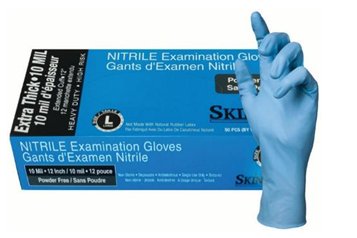
- SkinTx 12 Inch 10 Mil Blue Nitrile Exam Disposable Gloves, Case of 500 (ET500) - 10 mil with 12-inch cuff for extended-contact veterinary or chemical procedures.
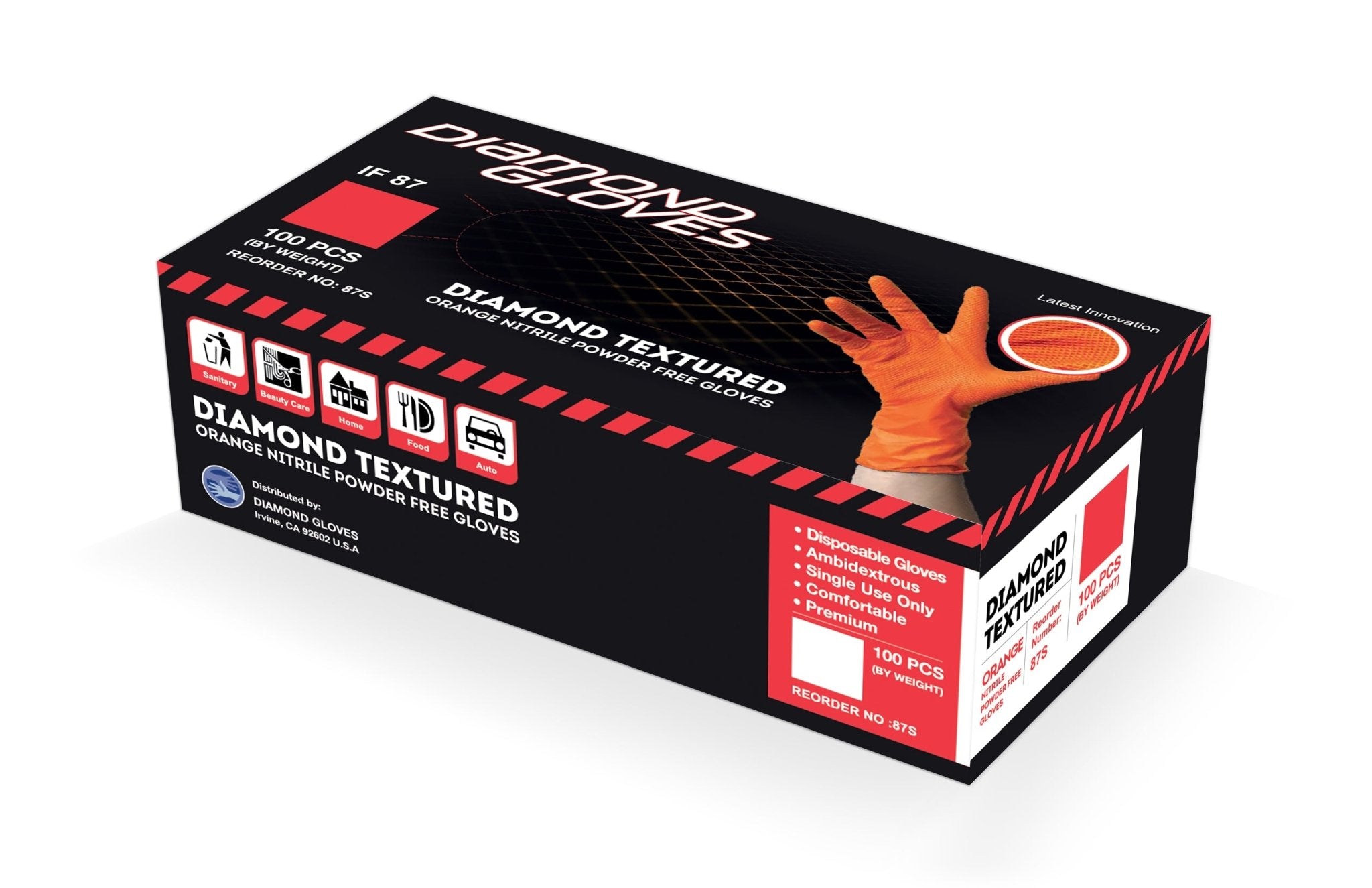
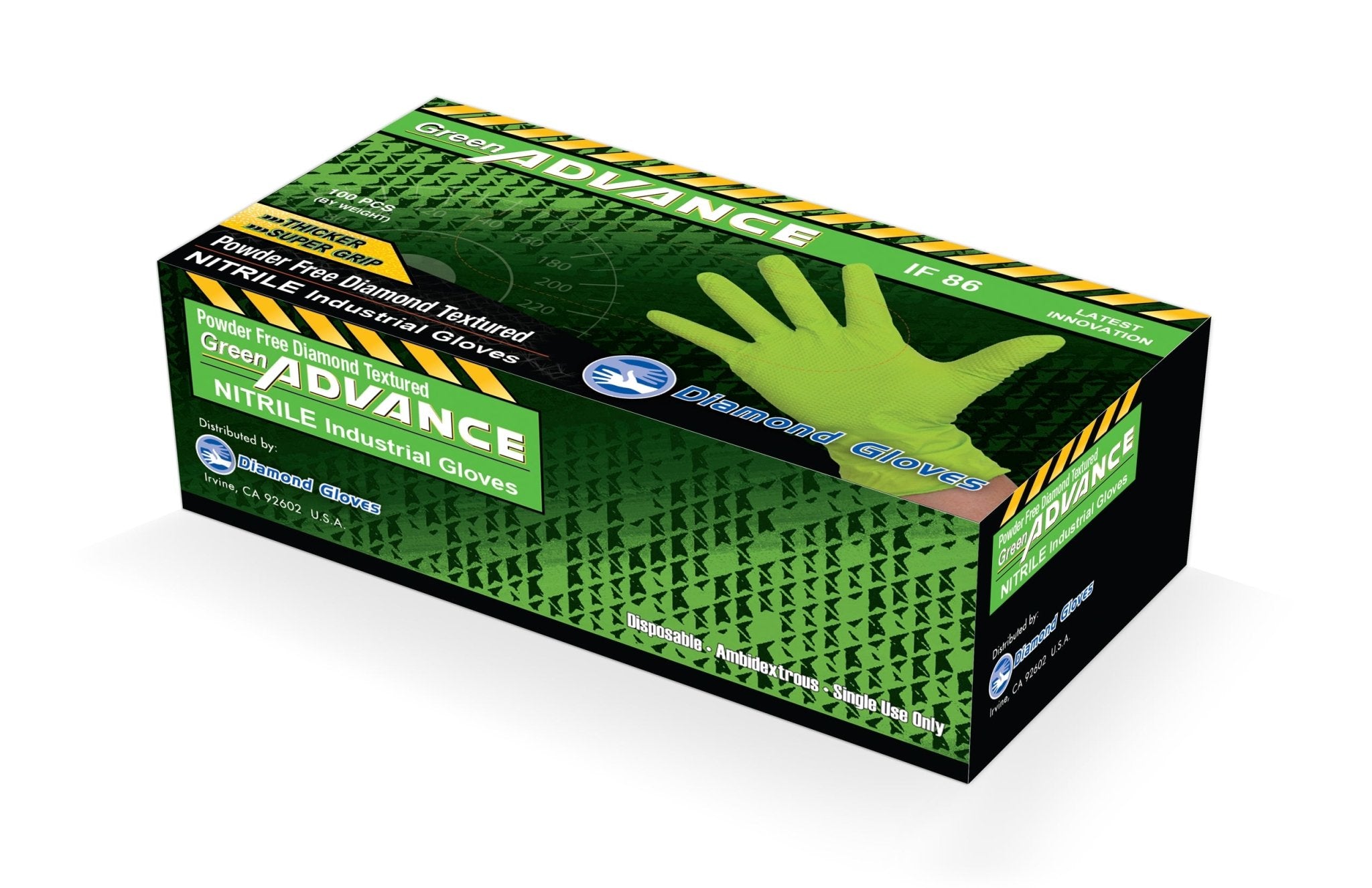
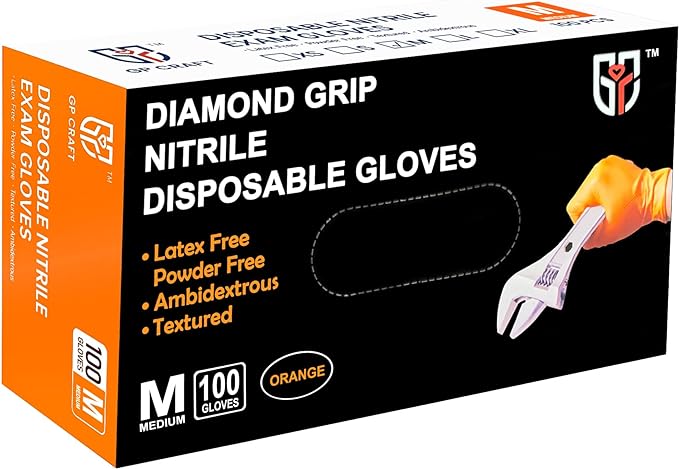
- Diamond 8 mil Orange Nitrile Industrial Disposable Gloves, Case of 1000 (IF87) - Diamond-textured 8 mil for grip during wet farm cleaning and equipment work.
Why Buy Your Agriculture Gloves at AP Medical Supply
AP Medical Supply supplies disposable gloves to farms, food processors, and agricultural operations across the country, with wholesale case pricing and free shipping on orders over $200. Our range covers every mil thickness from 4 mil to 15 mil and multiple cuff lengths, so you can source the right specification for each task in one place. We carry exam-grade nitrile options appropriate for food-contact and dairy environments, alongside heavy industrial options for chemical and sanitation work.
Frequently Asked Questions
What glove material is best for dairy and milking work?
Nitrile is the recommended choice for milking. It resists iodine solutions used in teat dip protocols and does not harbor bacteria on its surface the way skin does. A 5-6 mil powder-free exam nitrile glove is the standard specification for most dairy applications.
Do I need powder-free gloves for food and produce handling?
Yes. Powdered gloves can leave starch residue on produce and food surfaces, creating a contamination risk. All food-contact and produce handling applications should use powder-free nitrile or latex gloves.
What mil thickness should I use for farm chemical cleaning?
An 8 mil nitrile glove is the standard recommendation for farm sanitation and chemical cleaning tasks. The thicker wall resists chemical permeation during sustained contact. Diamond-textured variants add grip on wet surfaces.
When do I need long-cuff agriculture gloves?
Use a 12-inch extended cuff for any task with forearm splash risk: chemical mixing, tank washing, equipment cleaning, and certain livestock procedures. Standard-cuff gloves leave the wrist exposed in these environments.
What is the difference between exam-grade and industrial-grade gloves for farm use?
Exam-grade gloves are produced to AQL 1.5 (fewer defects per batch) versus AQL 2.5 or higher for industrial gloves. For dairy milking, food processing, and produce handling where a glove failure creates a contamination event, exam-grade offers a meaningful quality advantage.
Can I order agriculture gloves by the case for wholesale?
Yes. All gloves in this collection are sold by the case - typically 500 or 1000 gloves per case depending on thickness - at wholesale pricing. Orders over $200 ship free.
Related Blogs
Looking for more guidance on selecting and using disposable gloves across agricultural and food-industry applications? These resources from the AP Medical Supply blog cover the key topics:
Ultimate Guide to Disposable Gloves: How to Choose the Right Gloves for Every Application - A comprehensive breakdown of glove materials, thickness levels, and real-world use cases across industries including food production and agricultural work. A useful reference for operations buying across multiple task types.
Exam Gloves vs. General-Use Gloves: What's the Difference? - Explains the AQL quality standard and why exam-grade gloves often outperform general-use options in environments where barrier failure has consequences - directly relevant to dairy, food processing, and livestock care.
Exploring the Versatility of Vinyl Powder-Free Gloves Across Industries - Covers how powder-free disposable gloves are used across food production and processing environments, with context on hygiene standards and contamination prevention.