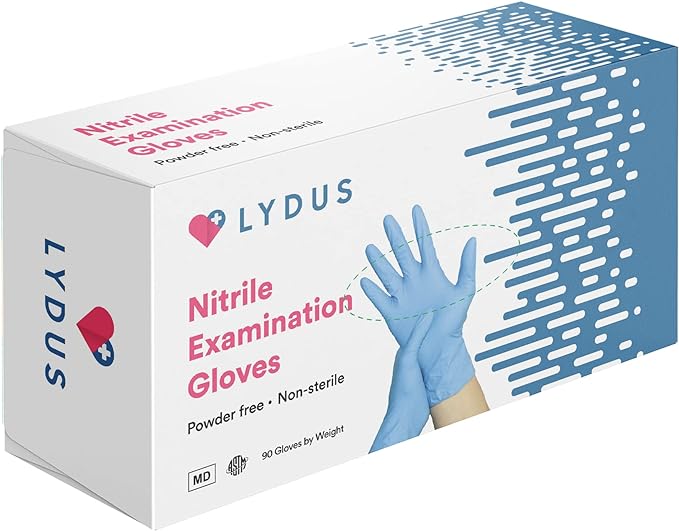
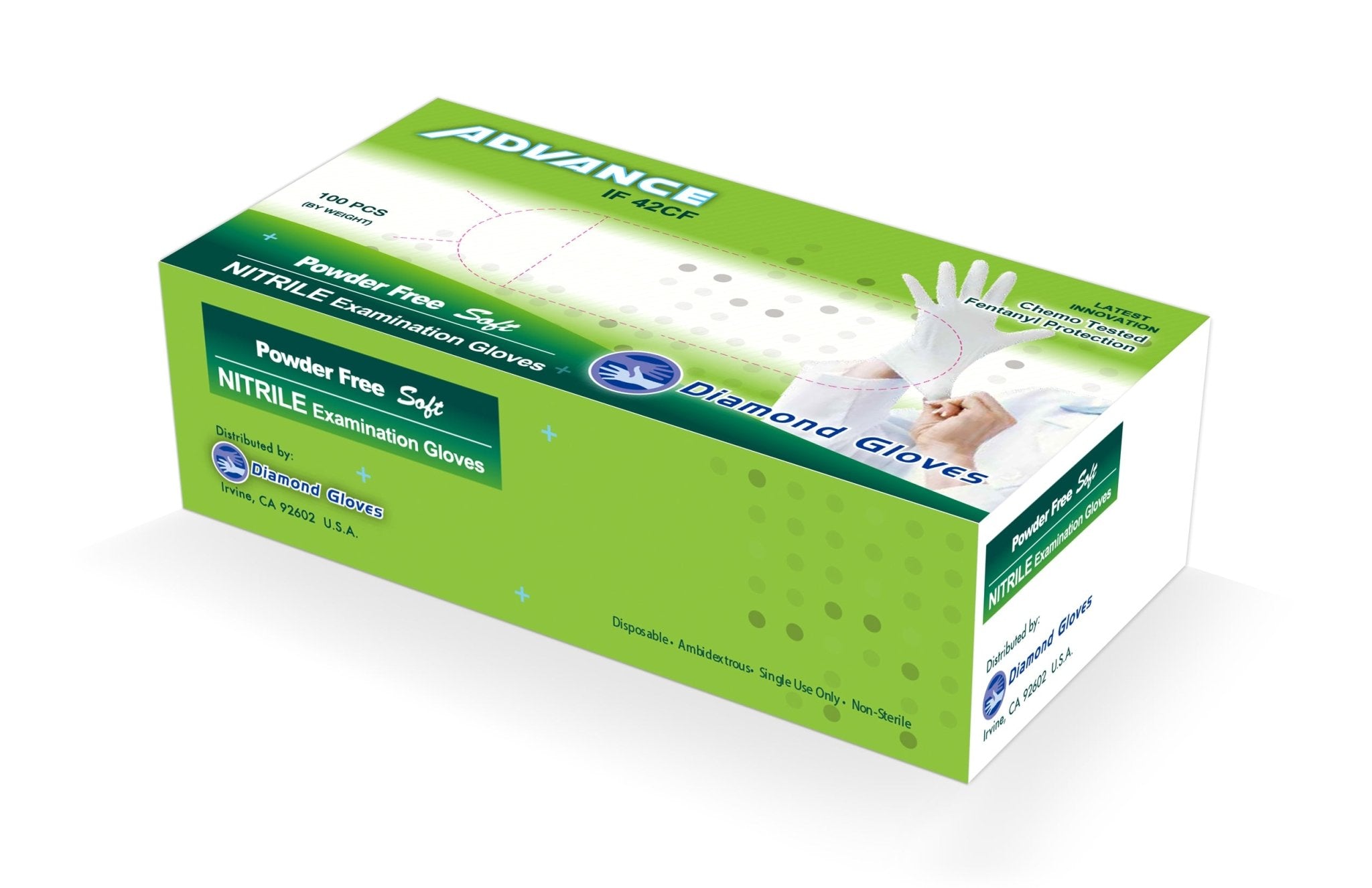
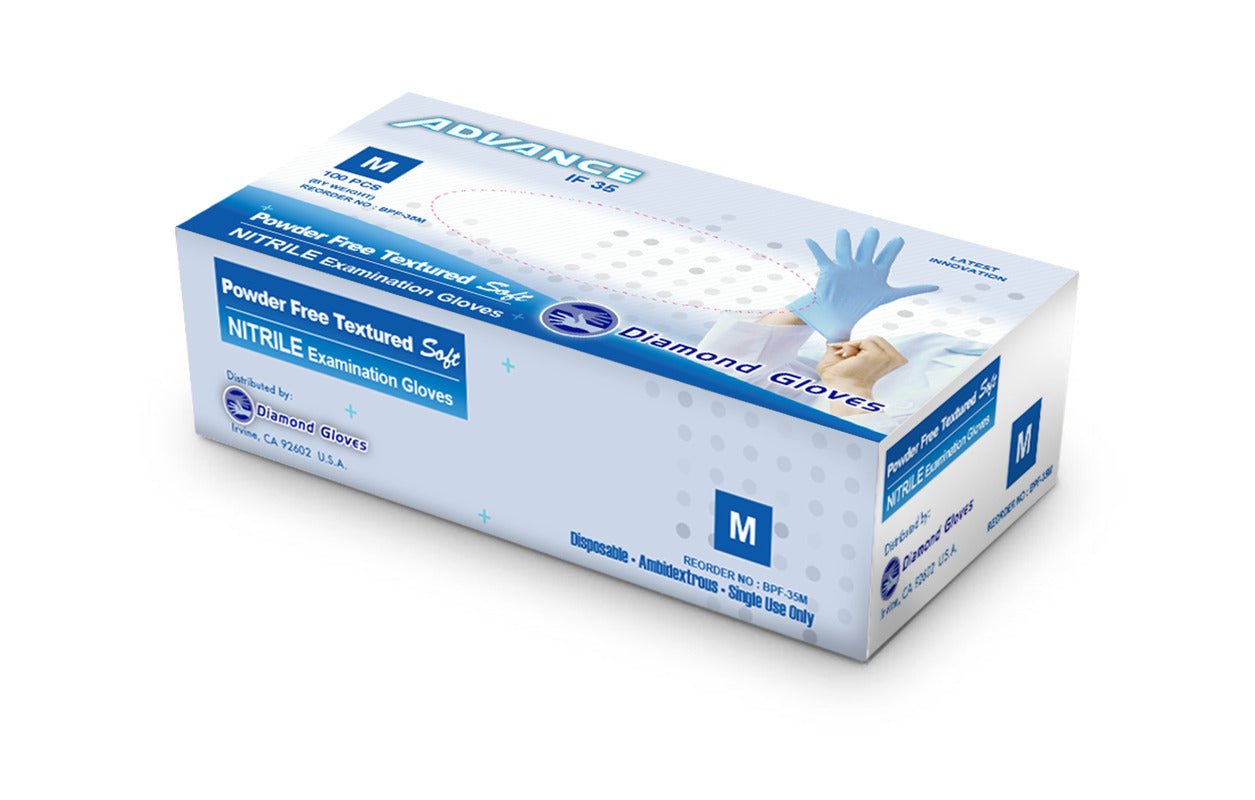
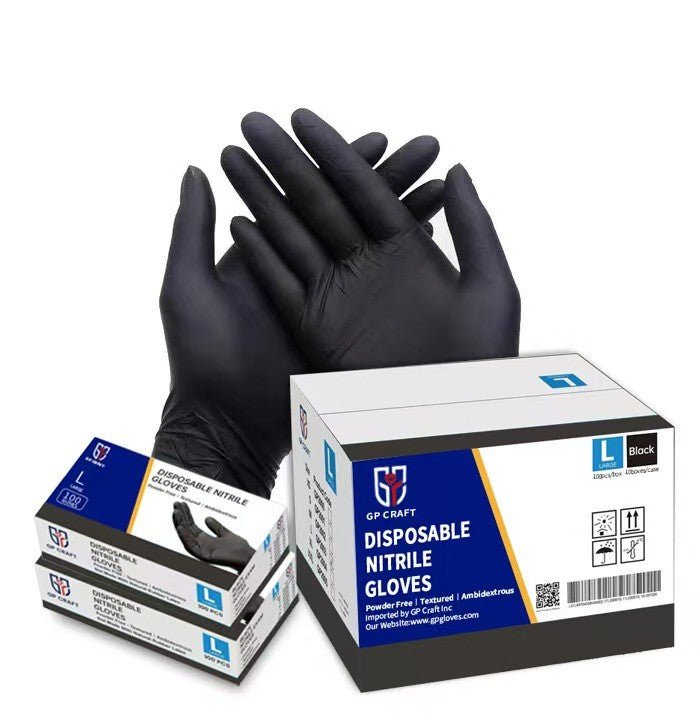
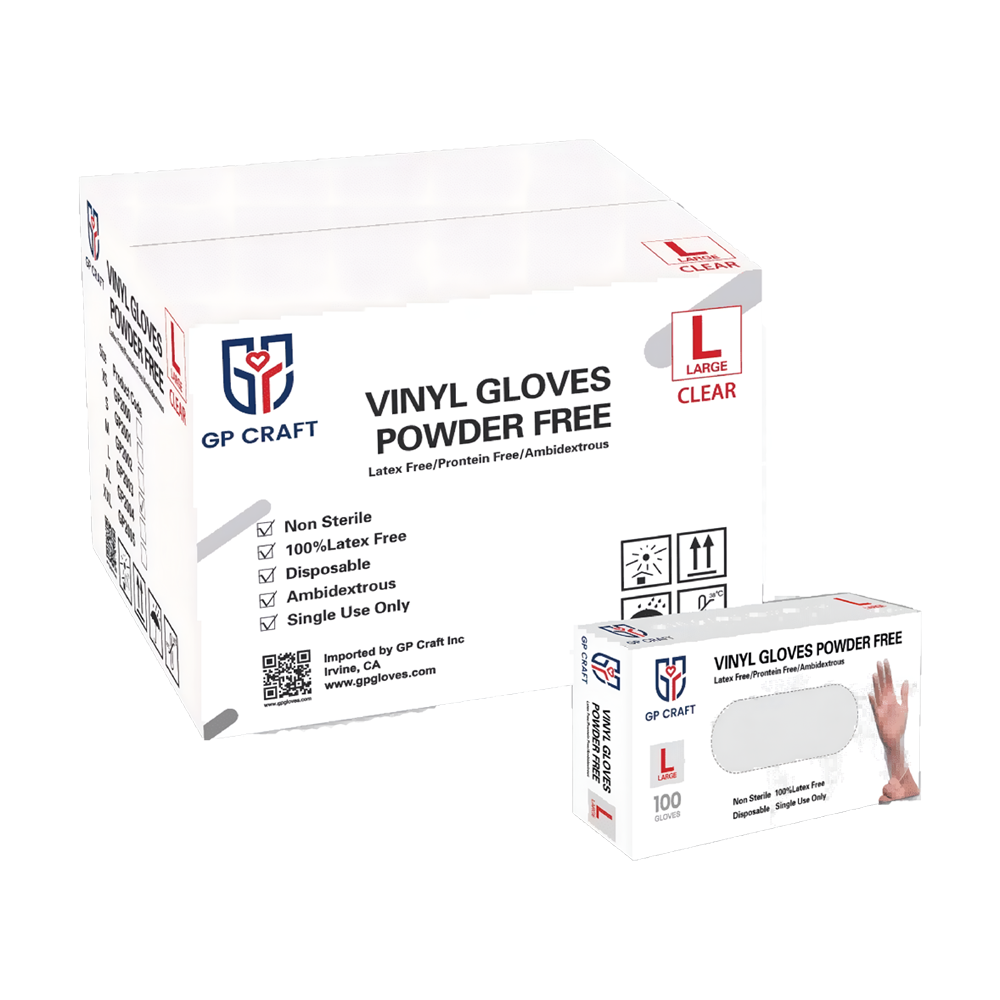
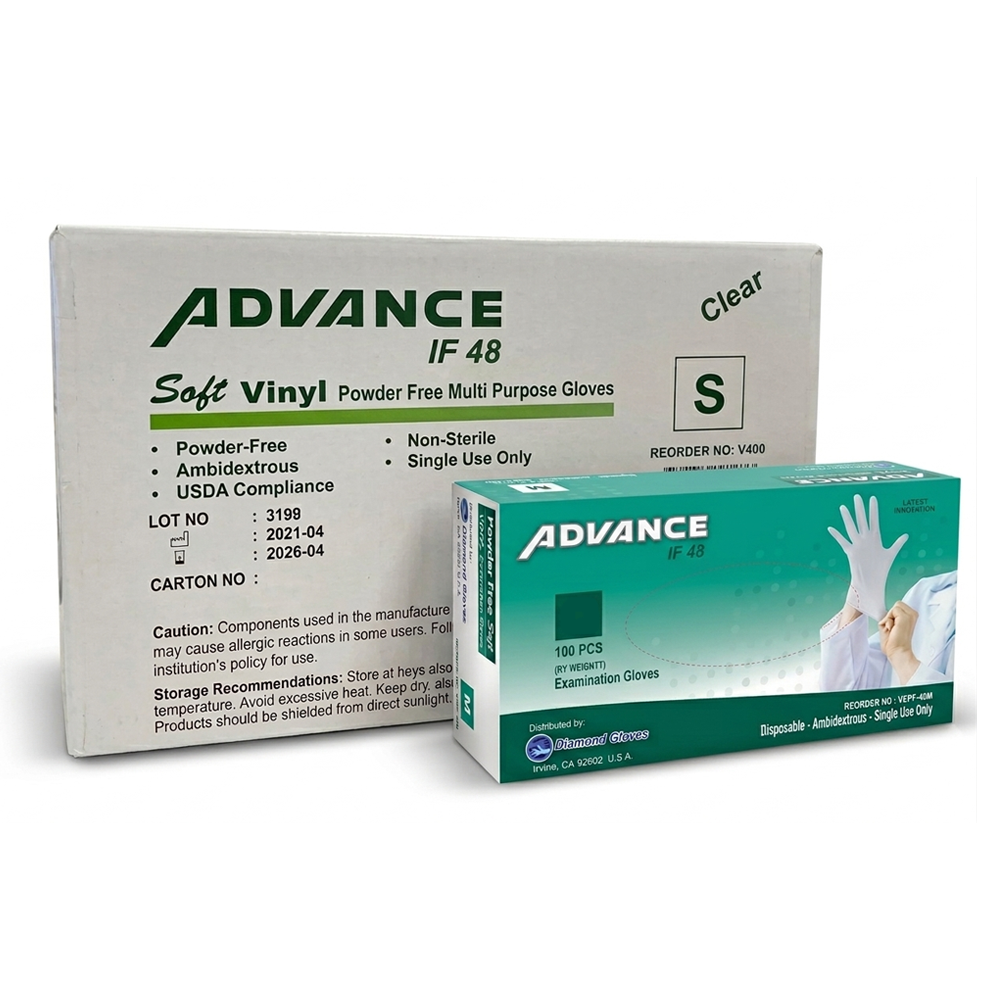
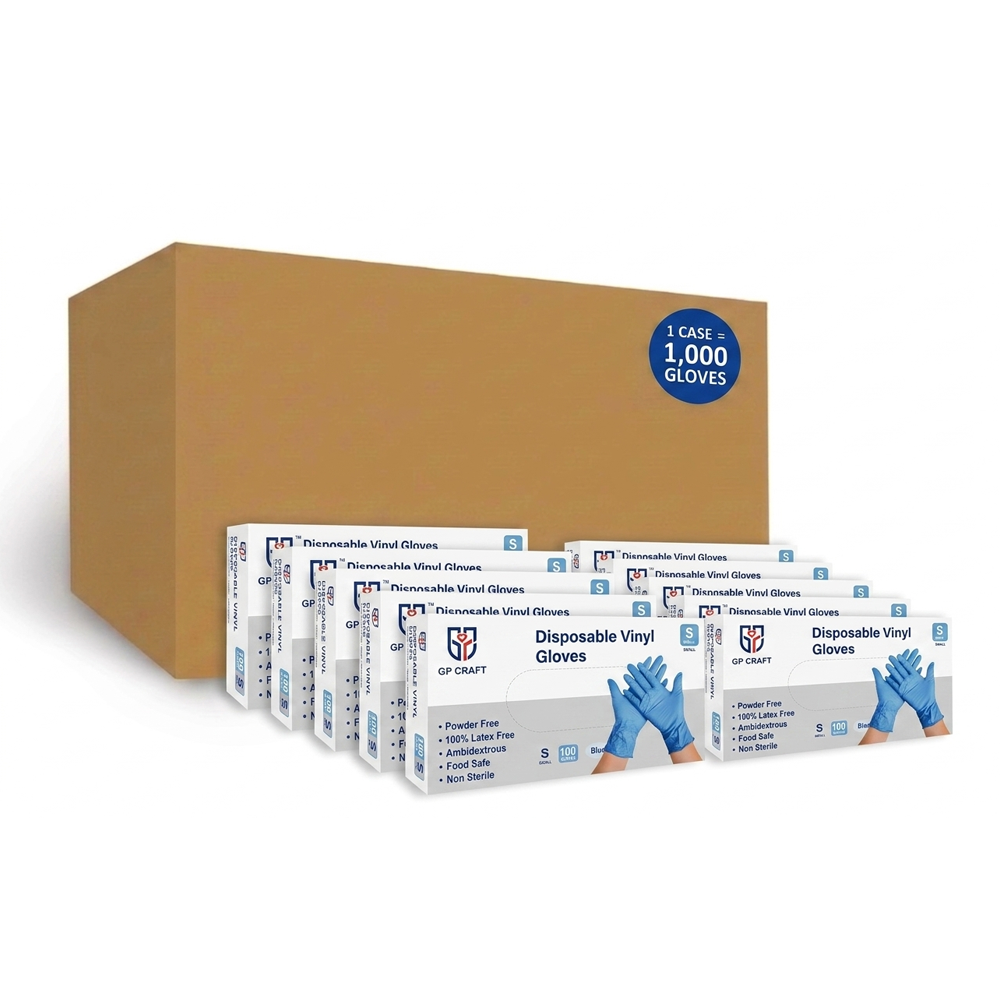
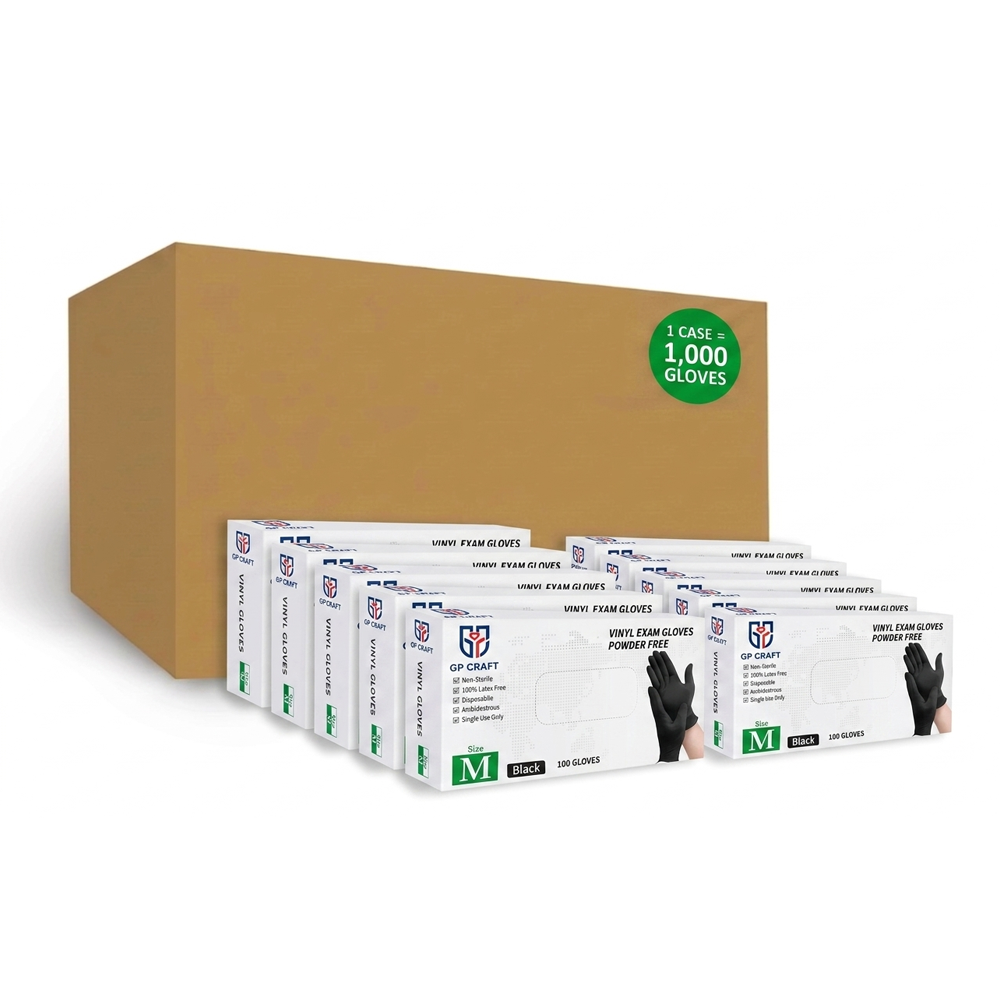
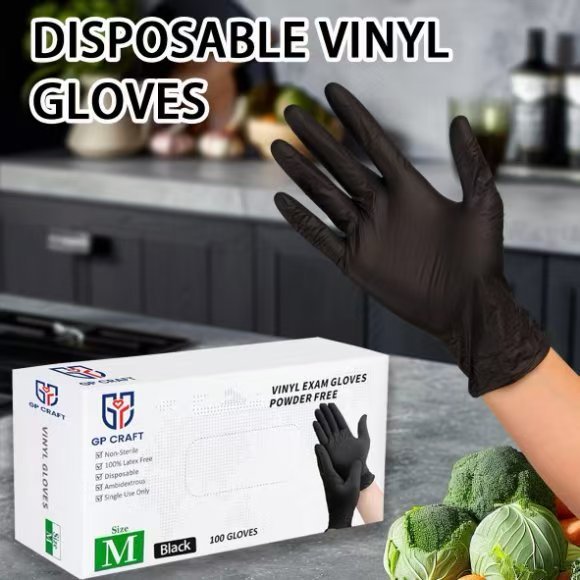
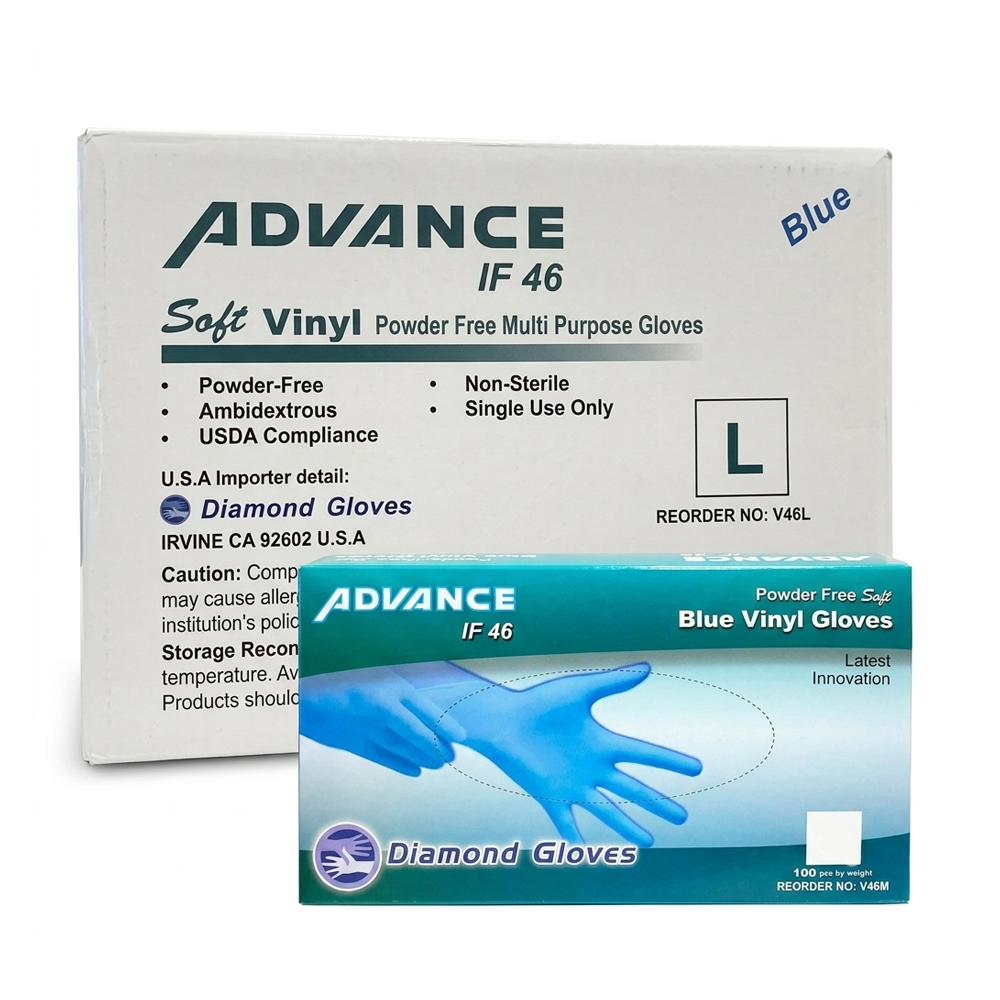
Dairy gloves protect workers, animals, and food throughout the milking parlor and the kosher kitchen alike. Whether you run a 500-cow dairy farm and need exam-grade protection from teat dip and cleaning chemicals, or you manage a kosher household and need color-coded blue gloves for dairy food prep, AP Medical Supply stocks cases of 1,000 powder-free disposable gloves across nitrile, vinyl, latex, and poly materials, all ready to ship.
Why Material Matters for Dairy Gloves
The glove material you choose has a direct impact on grip, chemical resistance, and comfort over long shifts. Here is how the main options stack up for dairy applications.
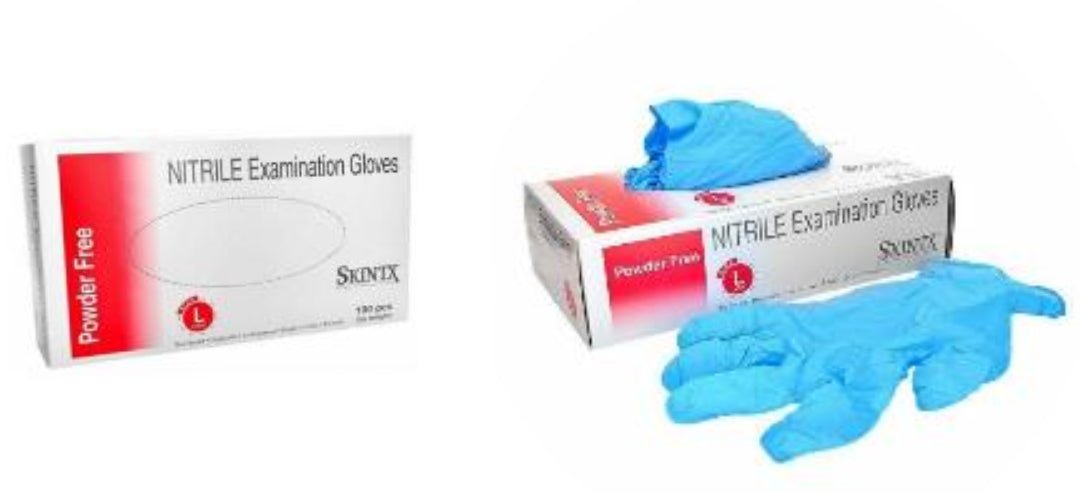
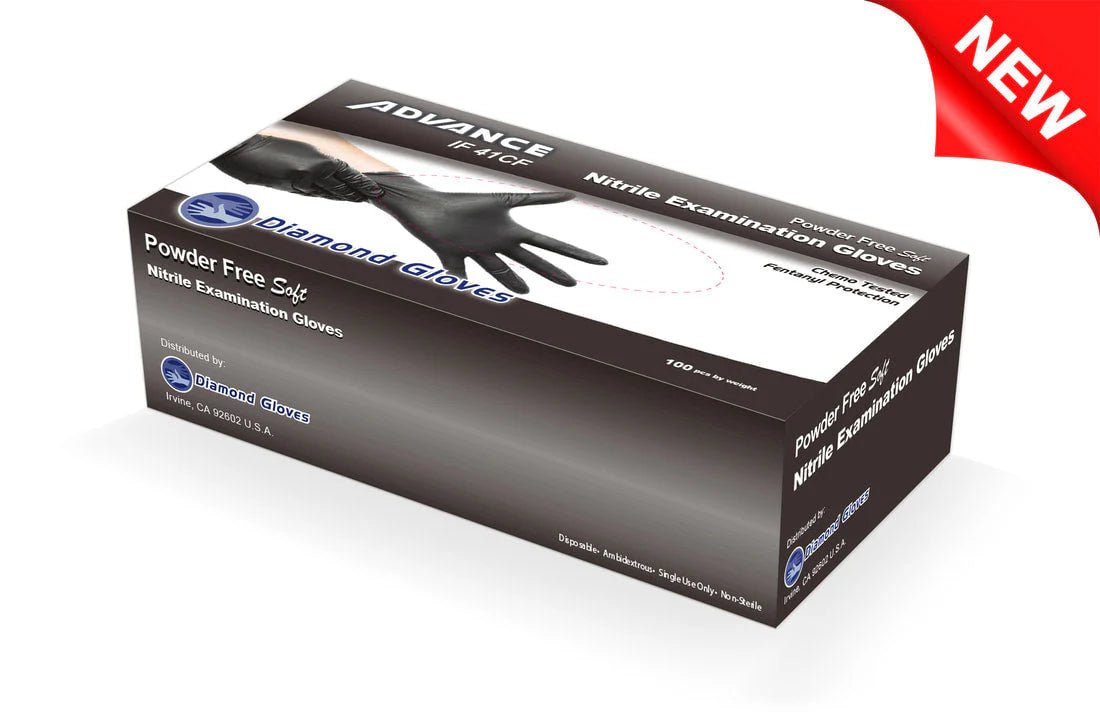
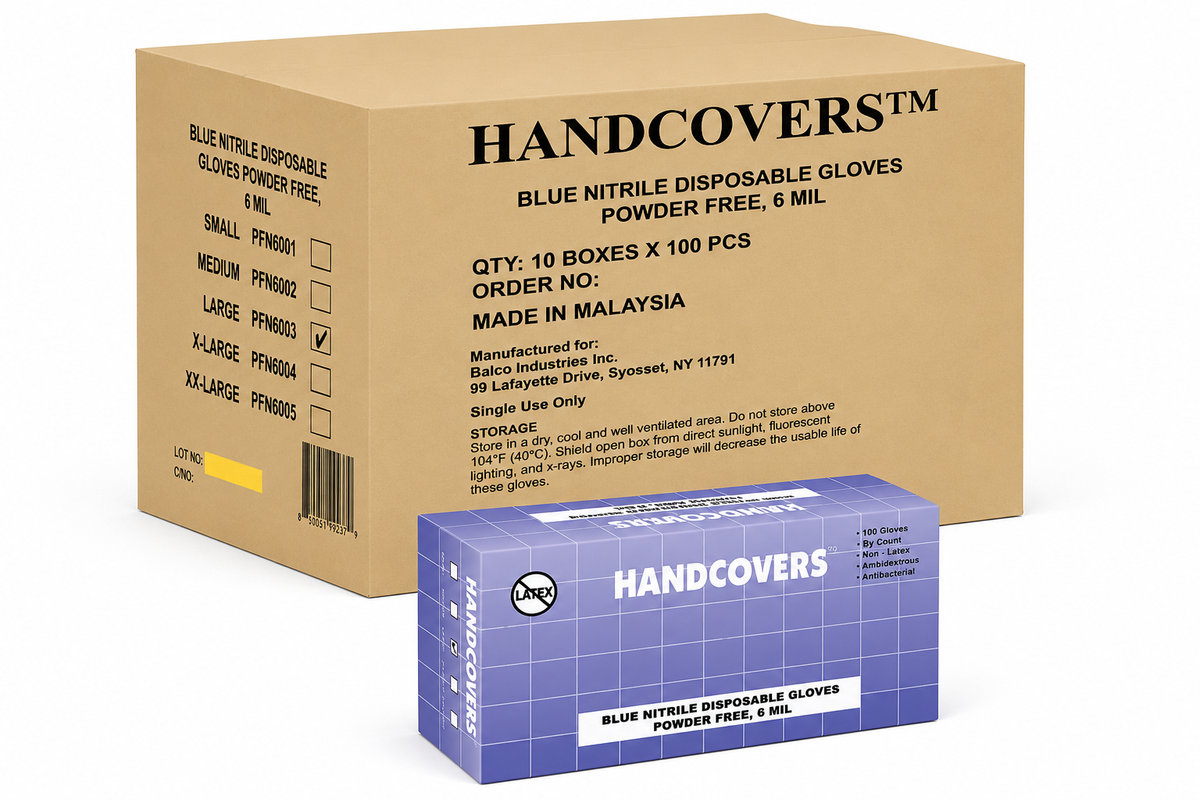
Nitrile is the dominant choice for dairy farm work. It is latex-free, puncture-resistant, and holds up well against teat dip, disinfectants, and light chemical exposure. Exam-grade nitrile meets ASTM D6319 standards, making it appropriate for direct contact with animals and food-contact surfaces. The limitation is cost: nitrile sits above vinyl on a per-glove basis, though bulk case pricing brings the gap down considerably.
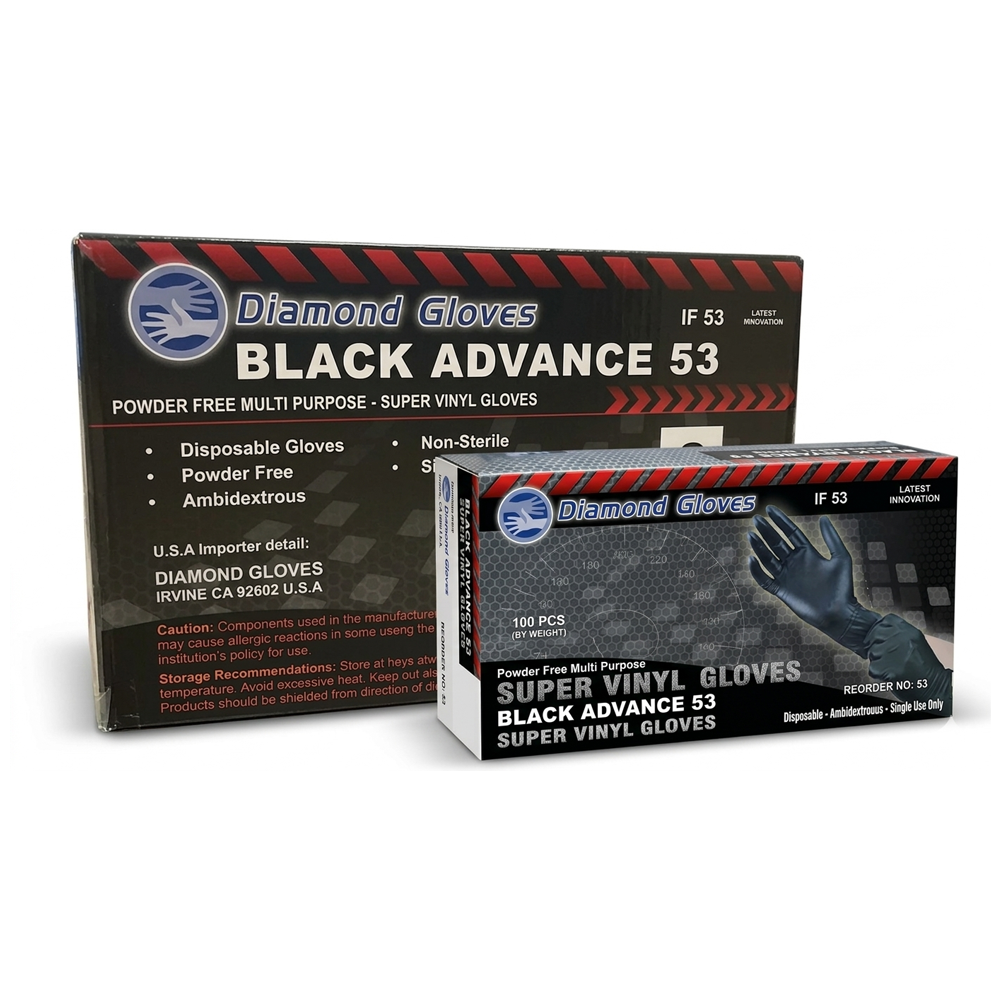
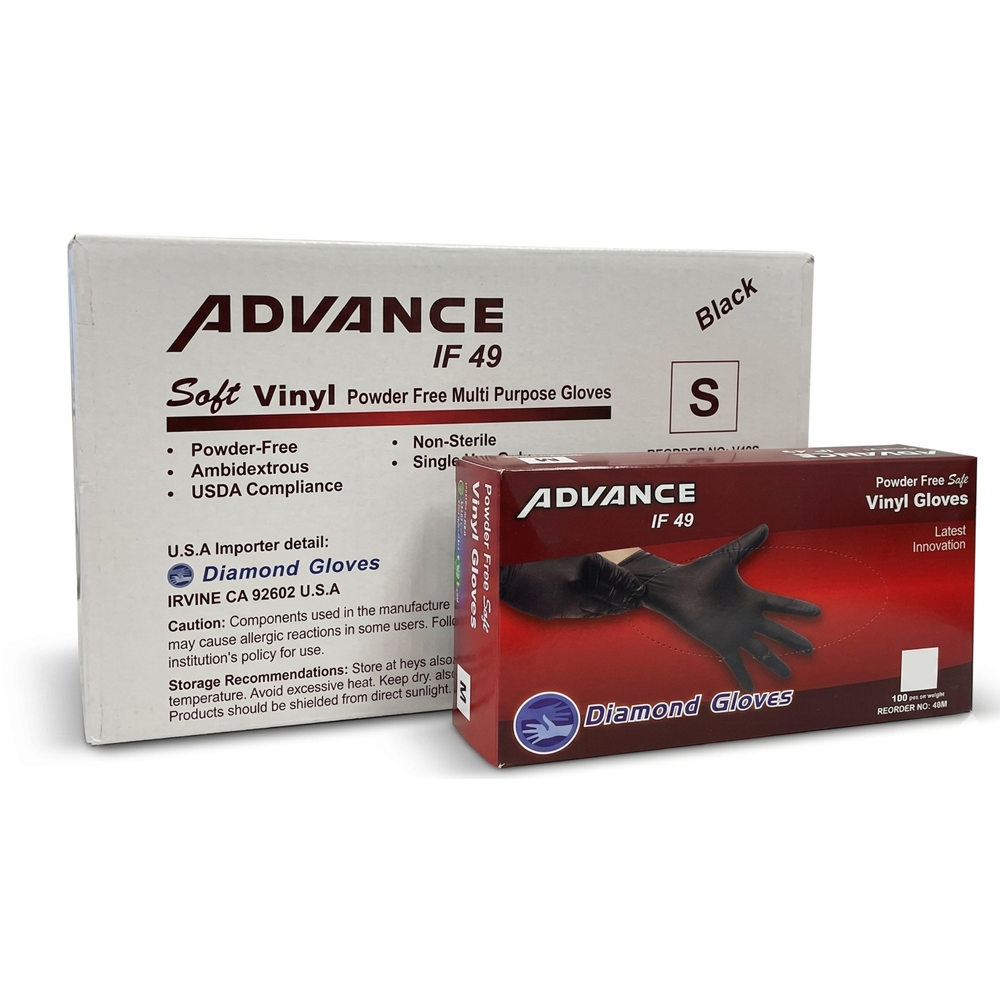
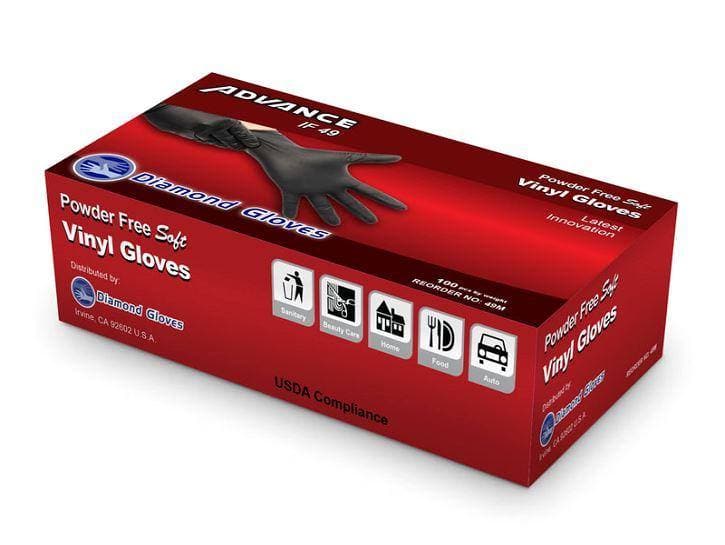
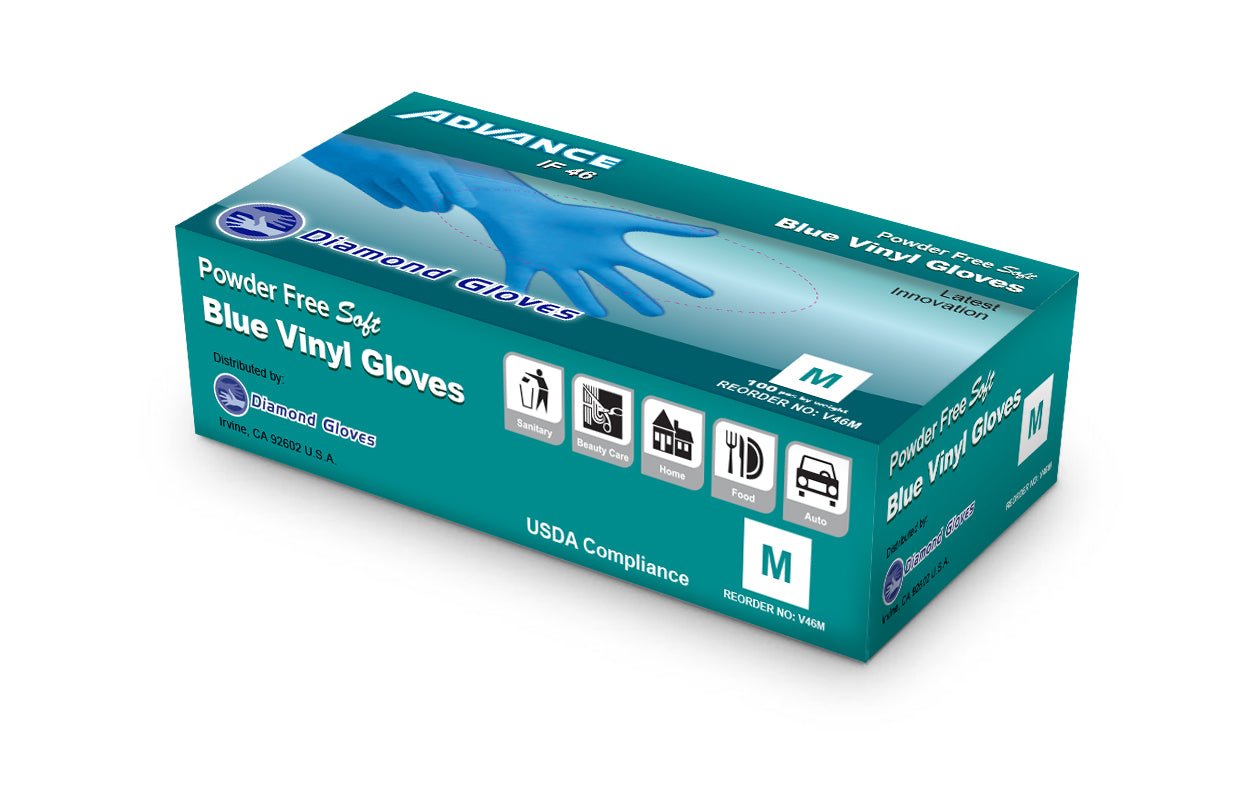
Vinyl offers an economical alternative for tasks where chemical resistance is less critical - food preparation, light parlor duties, or high-turnover kosher kitchen work where gloves are changed frequently. Vinyl is less elastic than nitrile and not recommended for heavy chemical exposure or prolonged wear during milking.
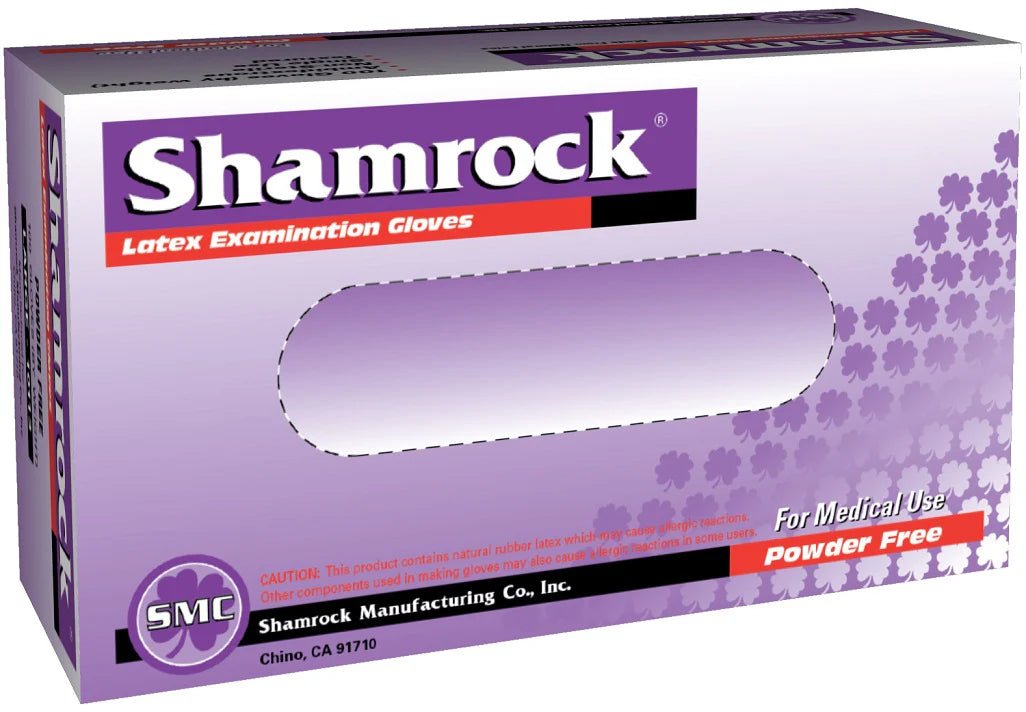
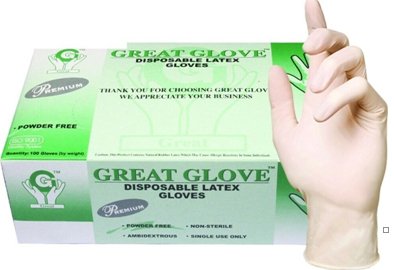
Latex provides superior grip and tactile sensitivity, which some dairy workers prefer for manual tasks requiring precision. However, latex carries a risk of allergic reactions in both workers and, with prolonged contact, animals. It is better suited for short-contact tasks where dexterity matters most.
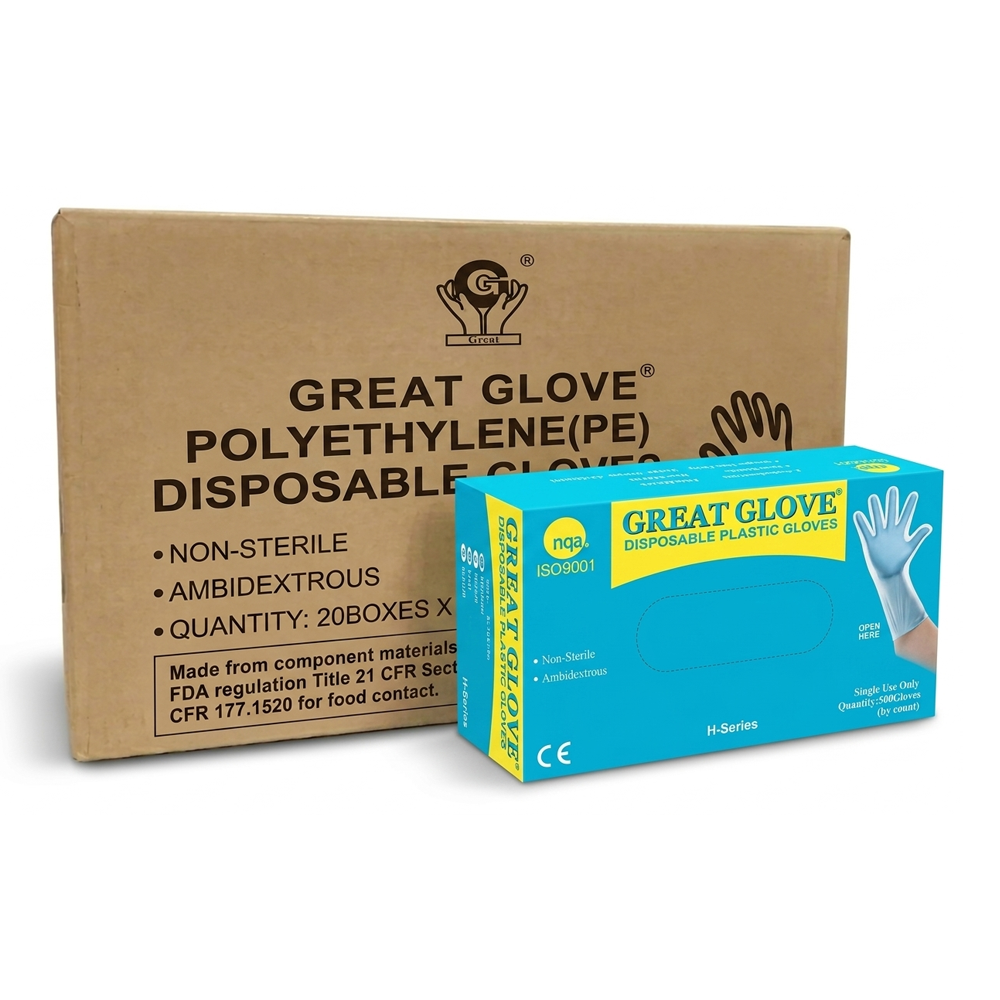
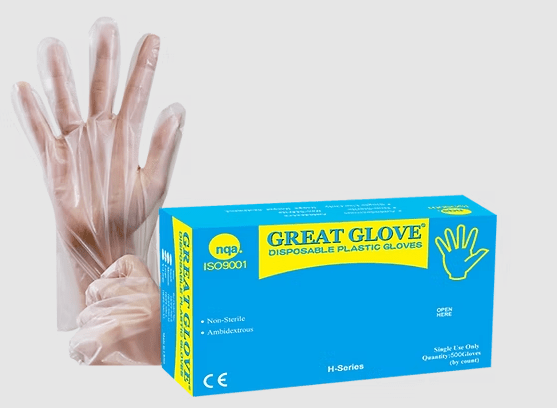
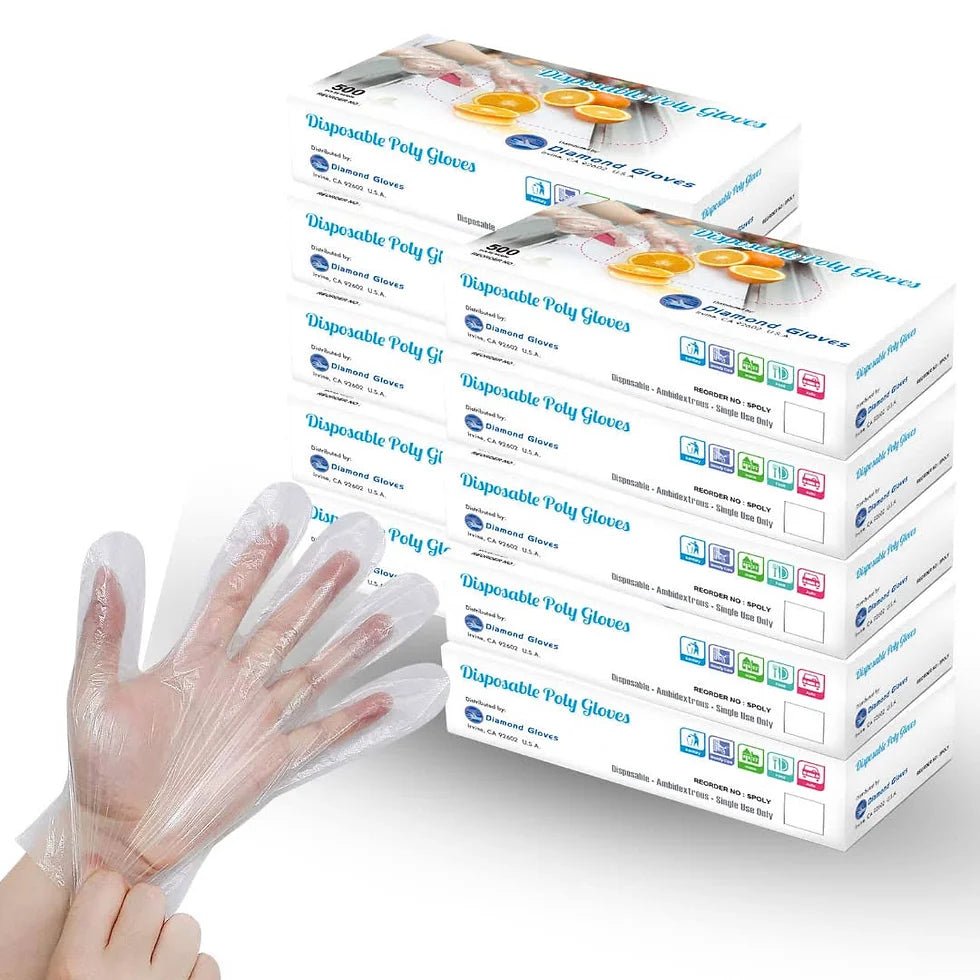
Poly and TPE (thermoplastic elastomer) gloves are lightweight, low-cost options for quick-change tasks such as feeding, light handling, or situations where dozens of glove changes happen in a single shift. They are not designed for chemical contact or extended wet-environment use.
In short, nitrile is the default for most dairy farm applications, vinyl covers budget-conscious or light-duty use, latex suits precision tasks where allergies are not a concern, and poly or TPE works for rapid-turnover jobs where volume matters more than durability.
Choosing the Right Thickness for Your Dairy Operation
Mil thickness determines how much protection and durability you get from each glove. Dairy environments are demanding: teat dip, cleaning solutions, medications, and wet conditions all put pressure on the glove material. Choosing the wrong thickness leads to more breaks, more glove changes per shift, and more risk of contamination.
One point that rarely gets discussed: powder is not suitable for dairy use. Cornstarch powder residue from powdered gloves can transfer to milk during handling and cause irritation to teat tissue on repeated contact. All exam-grade dairy gloves should be powder-free, and every glove in this collection is.
For thickness, the general guidance maps like this. Gloves in the 3.5 to 4 mil range are well suited for quick parlor tasks - teat preparation, pre- and post-dipping, and light handling where speed and dexterity matter more than chemical durability. They change fast, cost less per case, and reduce hand fatigue during repetitive short-contact tasks.
At 5 mil, you get a better balance for full milking shifts. The extra material handles light chemical splash, performs well in wet conditions, and reduces the frequency of mid-shift breaks. Most dairy farm operators settle on 5 mil nitrile as their everyday milking glove.
At 6 mil, you are in heavy-duty territory - appropriate for handling concentrated cleaning chemicals, mixing hoof-care products, applying medications, or working with foot baths where chemical exposure is more intense. Six-mil gloves cost more per case but last longer under those conditions.
In short, use 3.5-4 mil for quick-change tasks, 5 mil for standard milking and parlor work, and 6 mil when handling concentrated chemicals or medications.
Shop Dairy Gloves by Use Case
This collection covers three distinct buying situations. Browse by the one that matches your operation.
Dairy Farm and Milking Use
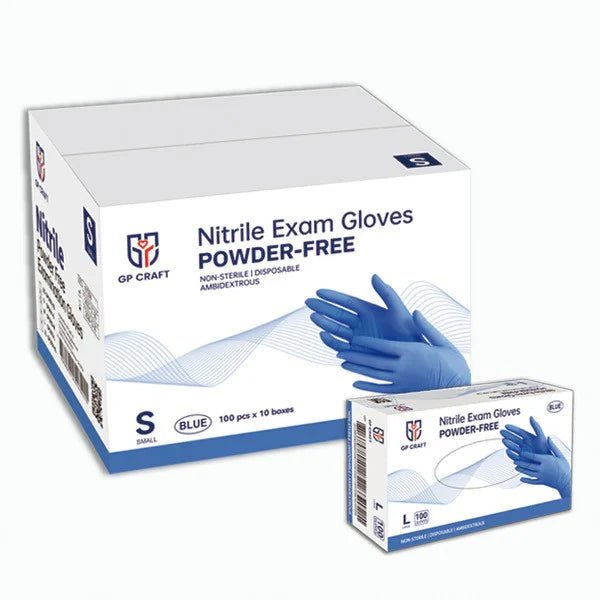
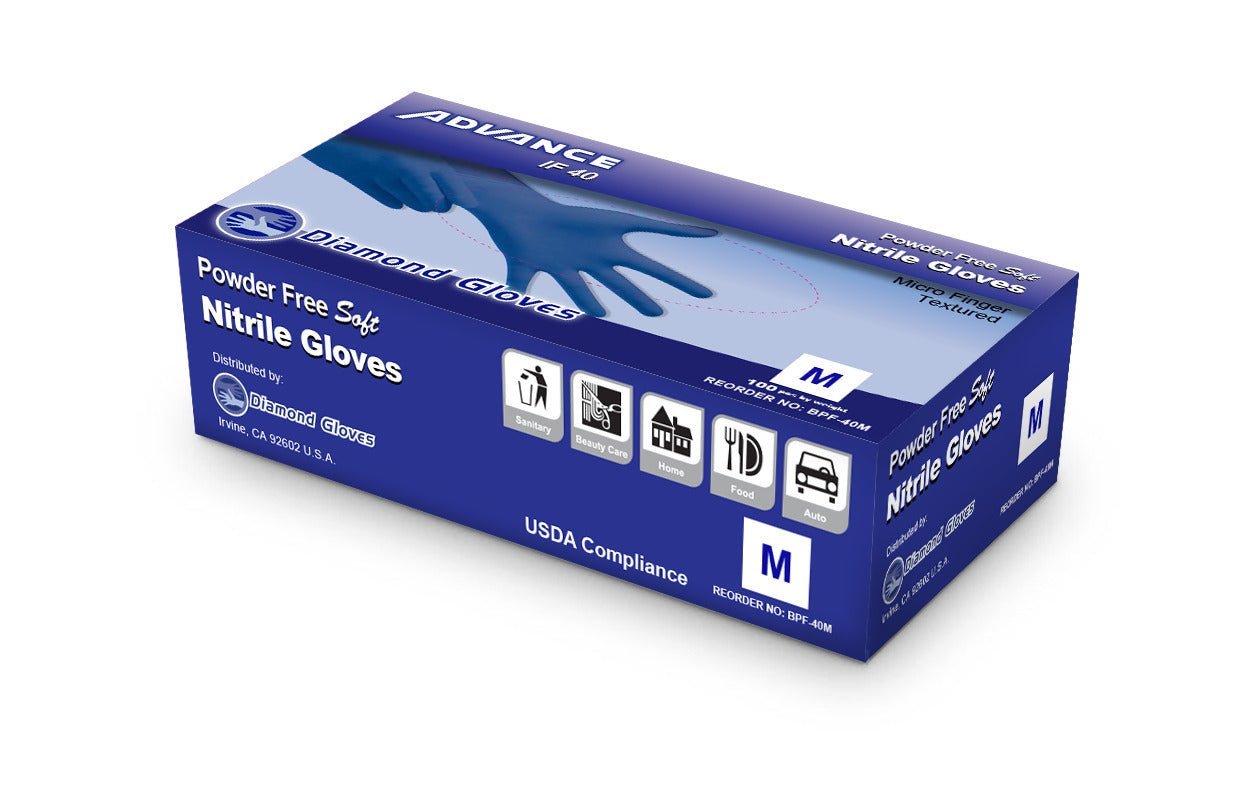
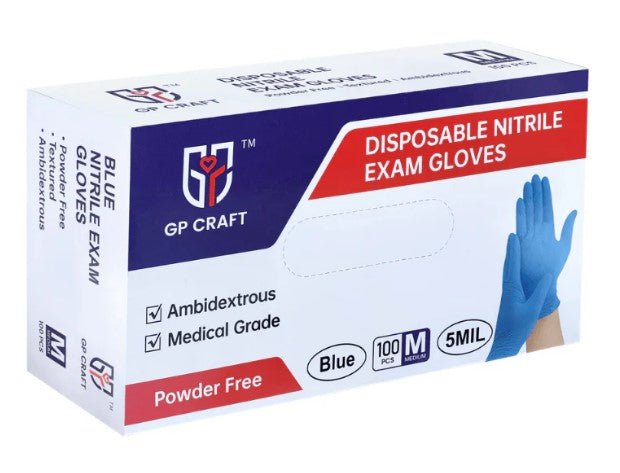
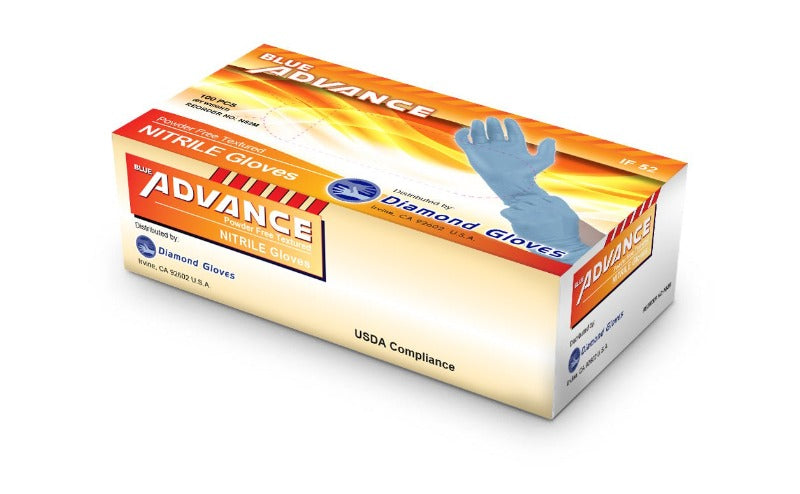
Exam-grade, powder-free nitrile is the standard for milking parlors. The gloves below meet ASTM D6319 standards for barrier protection and are appropriate for direct animal contact and food-adjacent applications.
Kosher Kitchen Dairy Use
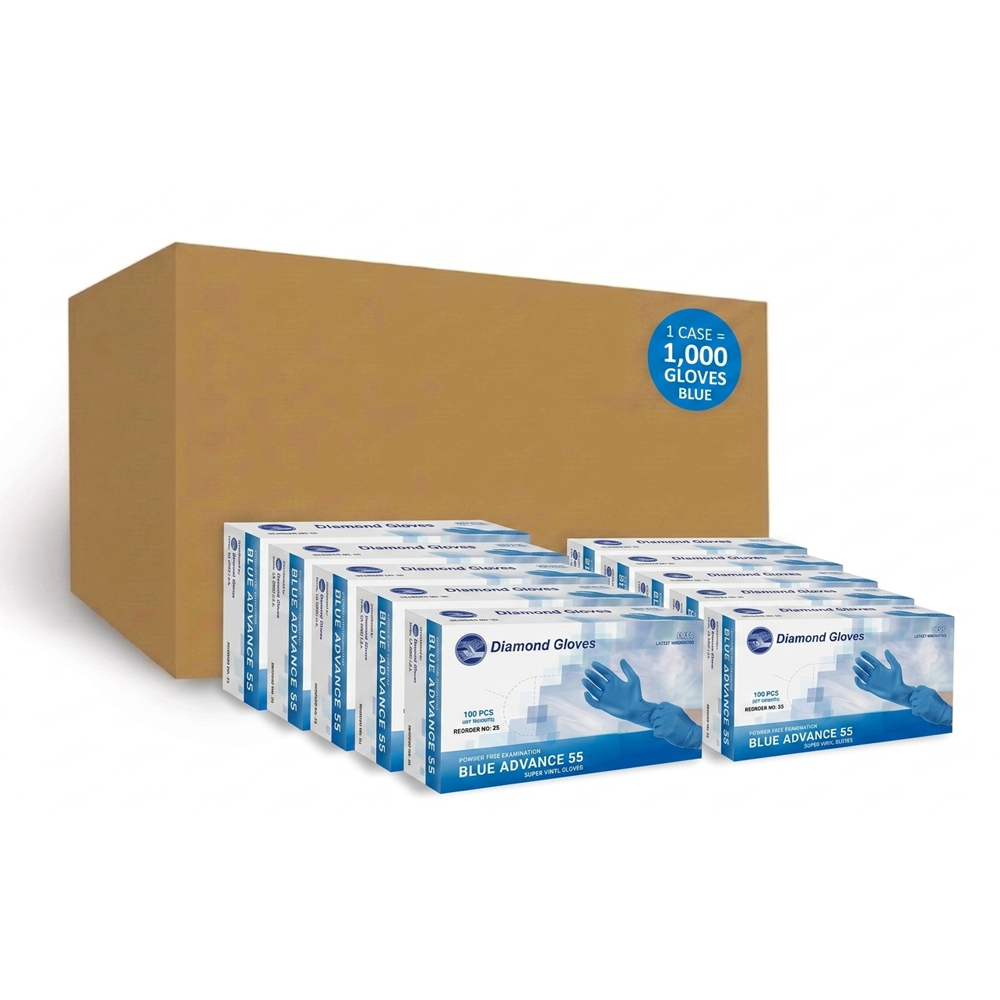
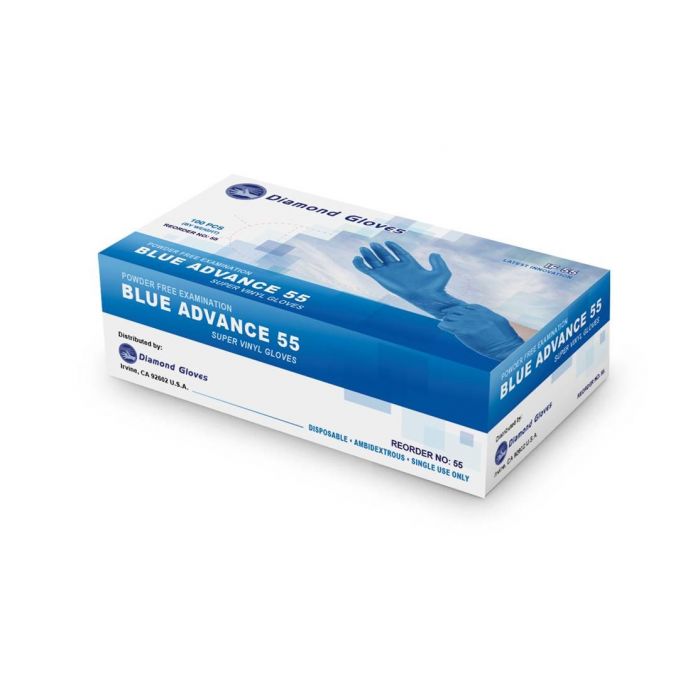
In a kosher kitchen, blue gloves serve as the color-coded standard for dairy food preparation, keeping dairy and meat handling visually separated at a glance. Disposable blue nitrile and vinyl gloves make single-use separation practical and cost-effective, especially for households or restaurants that go through high volumes.
Eco-Conscious Dairy Operations
If sustainability is a priority for your operation or business, two alternatives stand out.
Related Collections Worth Exploring
Dairy operations often need gloves beyond the milking parlor. The Agriculture Gloves collection covers broader farm and fieldwork applications where heavier protection or different materials may be needed. If your operation intersects with food processing or packing, the Food and Beverage Gloves collection focuses on food-safe, FDA-compliant options for direct food contact. For farms with on-site veterinary work, the Veterinary Gloves collection stocks longer-cuff and exam-grade options suited for animal health procedures. Browse the full Gloves Category for the complete range across all industries and applications.
Why Buy Dairy Gloves at AP Medical Supply
AP Medical Supply stocks exam-grade, powder-free dairy gloves in cases of 1,000 from verified brands, so dairy farm operations and kosher kitchens can order in bulk without worrying about supply gaps. Orders over $200 ship free, returns are accepted within 14 days, and free sample requests are available so you can evaluate fit and material before committing to a full case. The team is reachable by phone, chat, or email for volume quotes or product questions.
Frequently Asked Questions
Are dairy gloves different from regular disposable gloves?
Not in material, but in how they are selected. Dairy use requires powder-free, exam-grade gloves that resist teat dip and chemical splash. Many standard disposable gloves lack the mil thickness or certifications needed for reliable performance in a milking parlor.
What thickness is recommended for milking gloves?
Five mil nitrile is the most common choice for everyday milking. Use 3.5-4 mil for quick-change tasks like teat prep and pre-dipping, and 6 mil when handling concentrated cleaning solutions or medications.
Why must dairy gloves be powder-free?
Cornstarch powder from powdered gloves can transfer onto milk-contact surfaces and irritate teat tissue with repeated exposure. Powder-free is the industry standard for dairy environments, and every glove in this collection is powder-free.
Can I use blue nitrile gloves for a kosher dairy kitchen?
Yes. Blue is the conventional color code for dairy in kosher food preparation, keeping dairy and meat handling visually distinct. Disposable blue nitrile gloves from this collection work well for single-use kosher kitchen applications.
Do you offer free samples before I buy a full case?
Yes. AP Medical Supply offers a free sample request option so you can check fit, material, and thickness before placing a bulk order. Visit the Free Sample Request page on the site to submit your request.
Are these gloves available in all sizes?
Most products in this collection are available in small through extra-large. Size options vary by SKU, so check the individual product page for the specific size range on the glove you need.
Can I get a quote for large volume orders?
Yes. Use the Request a Quote page on apmedsupply.com to submit volume requirements. The team can discuss bulk pricing and fulfillment options for larger dairy operations or multi-location buyers.
Related Blogs
Ultimate Guide to Disposable Gloves: How to Choose the Right Gloves for Every Application - A comprehensive buying guide covering materials, thickness, certifications, and application matching across industries. A useful reference if you are evaluating glove options across your whole operation, not just the dairy parlor.
Exam Gloves vs. General-Use Gloves: What's the Difference? - Breaks down the practical differences between exam-grade and general-use disposable gloves, including when each classification matters and which compliance standards apply.
Can Disposable Gloves Be Recycled? Understanding Nitrile Gloves, Recycling, and Sustainable Alternatives - Covers the environmental impact of high-volume glove use, what biodegradable nitrile means in practice, and how to reduce waste from disposable glove programs on the farm or in the kitchen.
META
Meta Title: Meta Description: