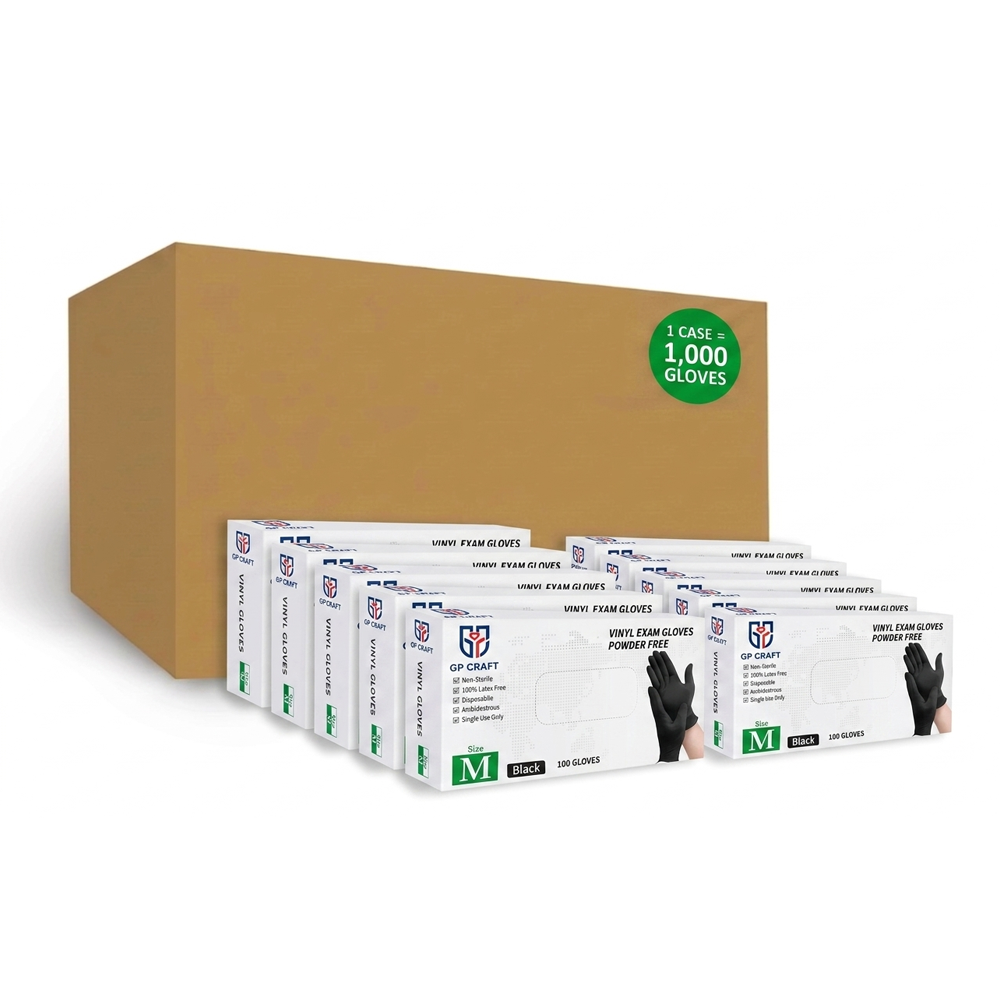
Food grade gloves are a non-negotiable requirement in dairy plants, beverage facilities, and commercial kitchens. The wrong glove creates contamination risk and fails audits. AP Medical Supply stocks nitrile, vinyl, latex, poly, and TPE food grade disposable gloves by the case of 1,000 at wholesale pricing, covering the full range of dairy and beverage applications so your operation stays compliant and supplied.
What Makes a Glove Truly Food Grade
Not every disposable glove on the market qualifies as food grade, and the distinction matters in an audited environment. A food grade glove must be manufactured from materials that are safe for direct contact with food - meaning no harmful plasticizers or residual solvents that could leach into product during handling. In the United States, the relevant reference is FDA 21 CFR, which governs materials that come into contact with food.
One commonly overlooked requirement is powder. Since 2018, the FDA has banned powdered gloves for food contact applications under 21 CFR 880.6250. Powdered gloves leave starch residue that can contaminate product and trigger respiratory issues in workers. Every glove in this collection is powder-free, meeting that regulatory baseline without exception.
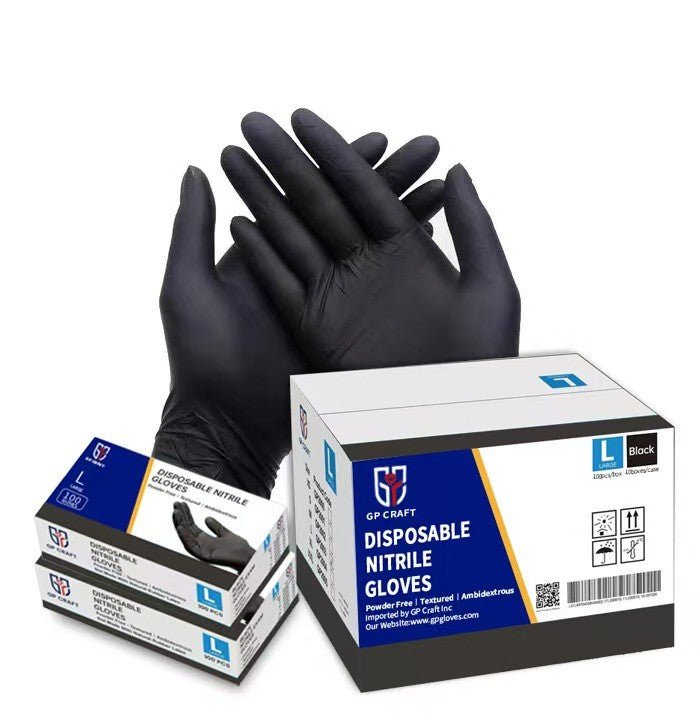
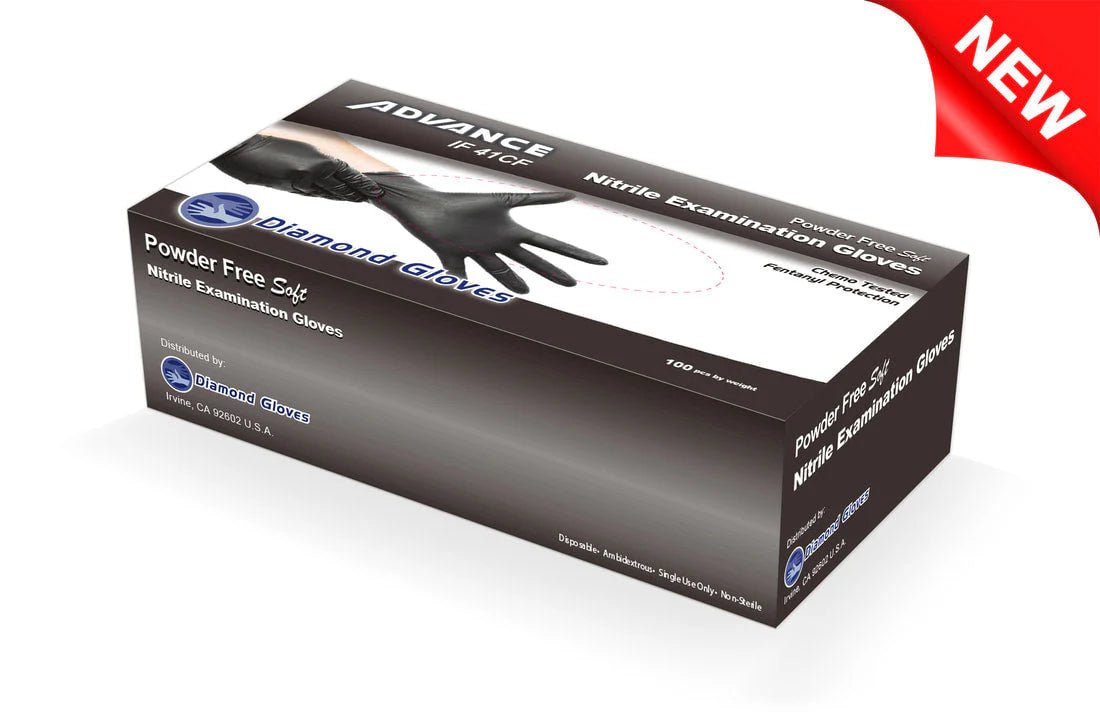
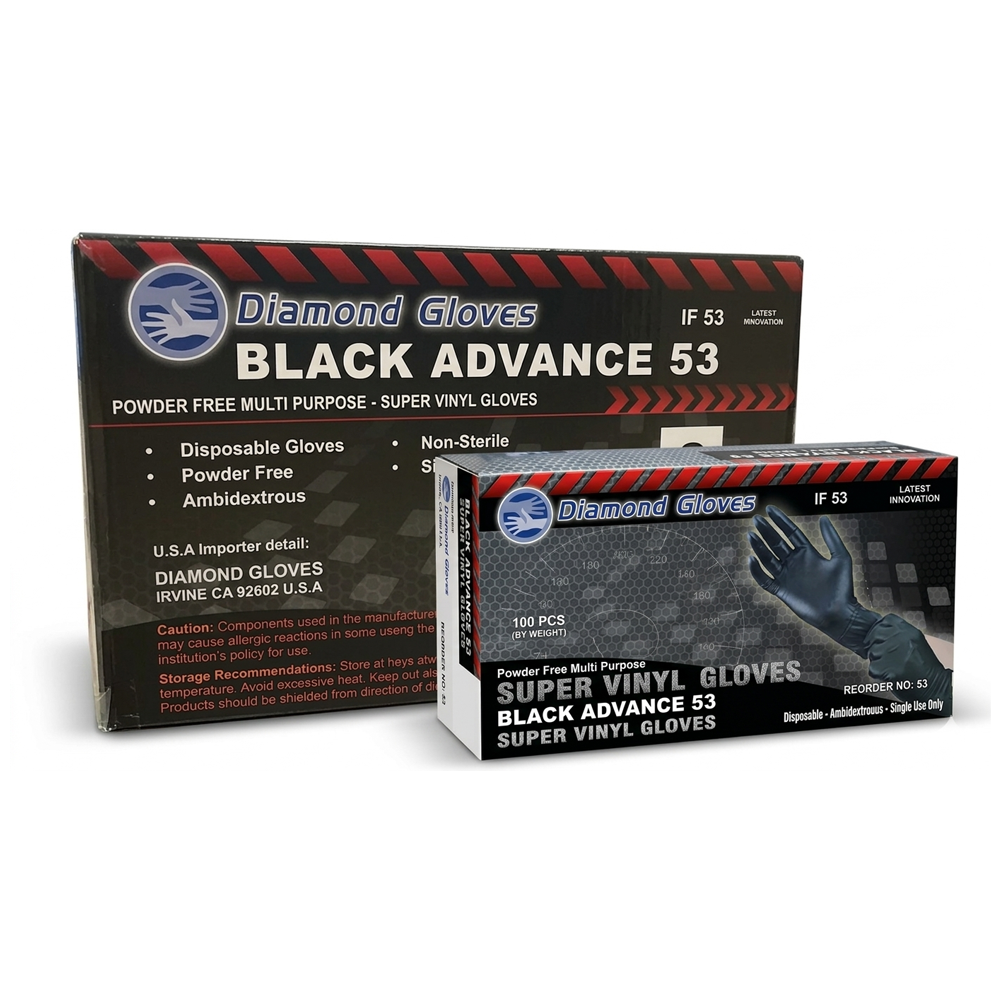
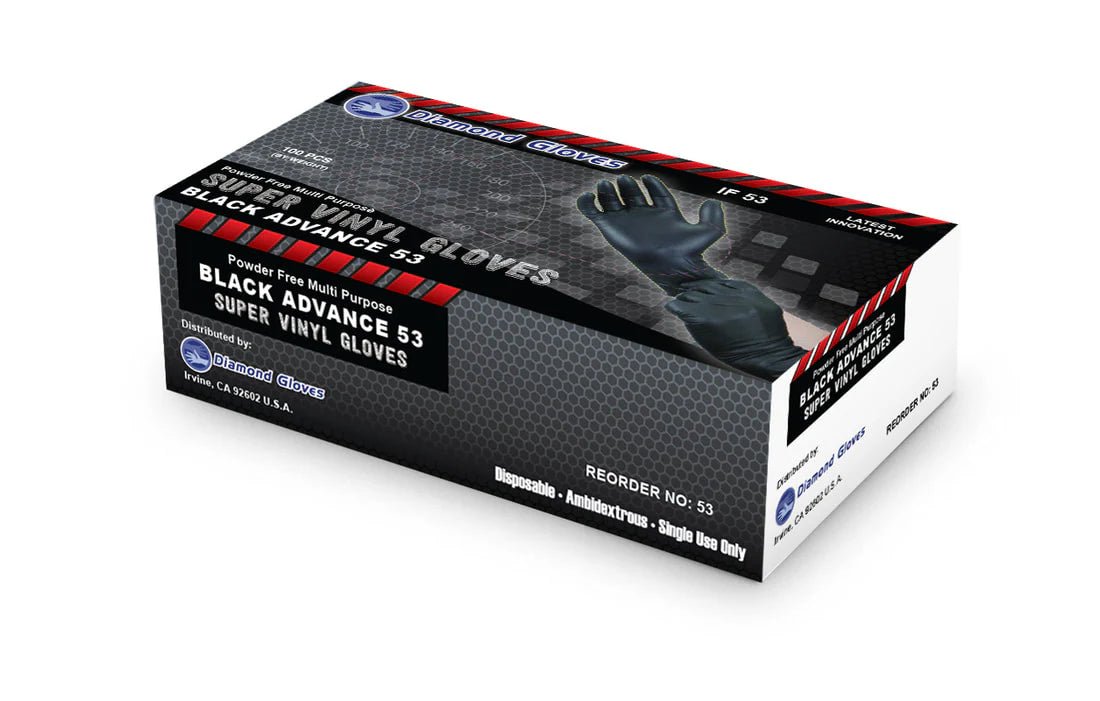
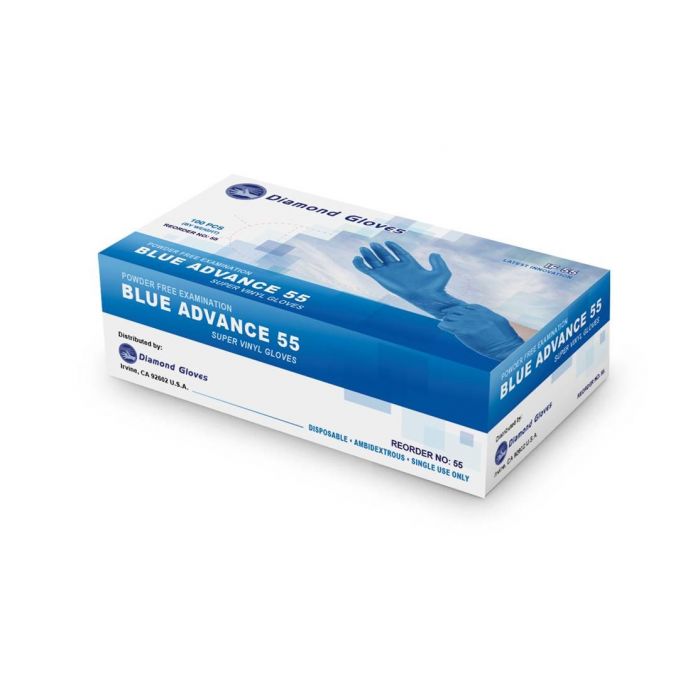
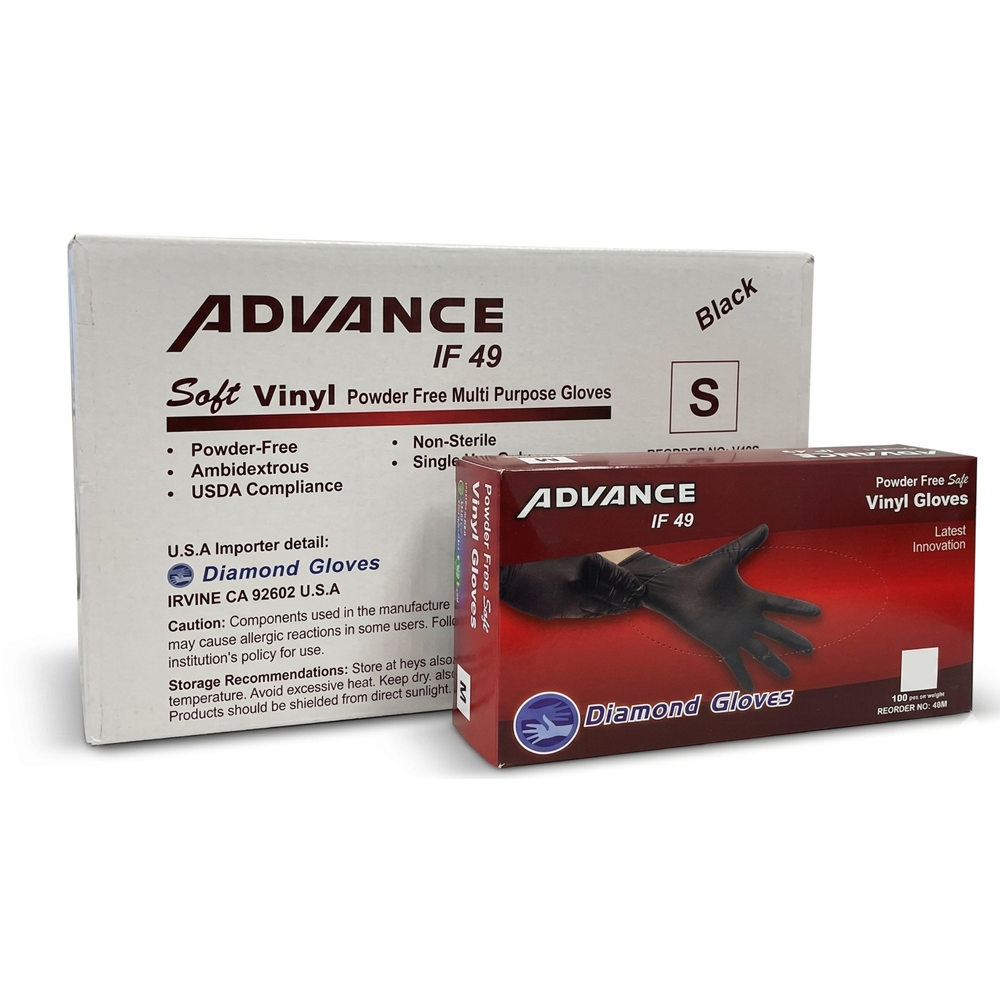
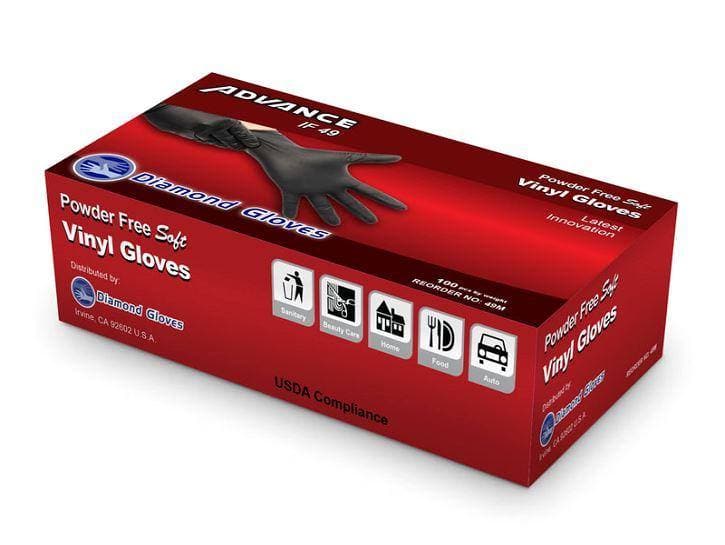
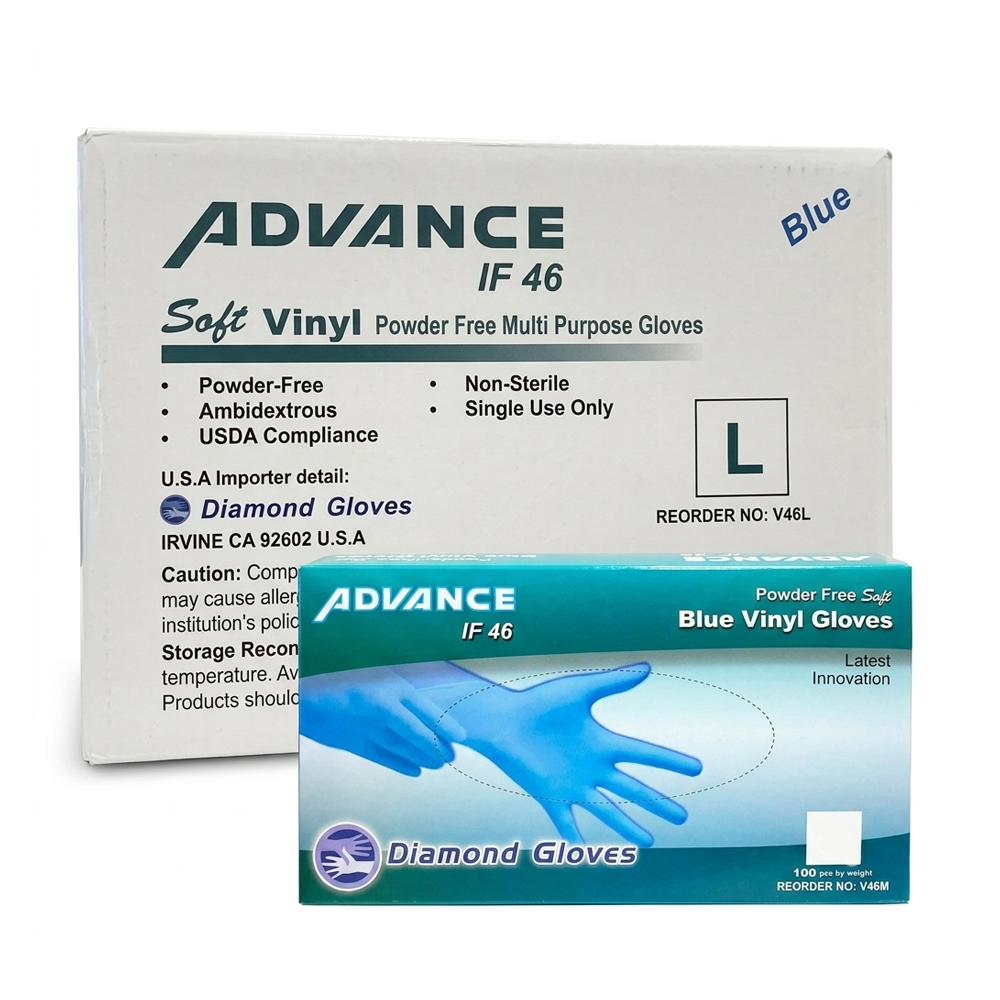
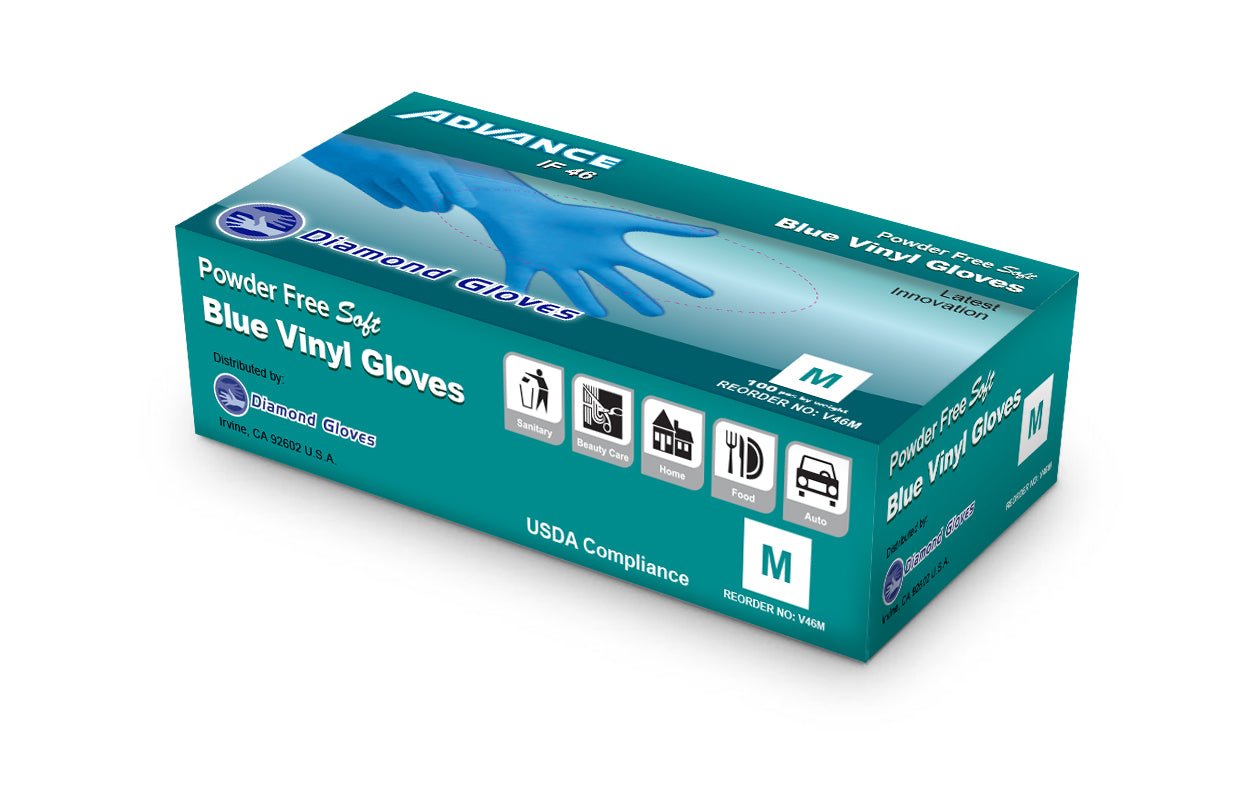
Color is the other factor that separates a genuinely food-safe buying decision from a generic one. Blue is the industry standard for dairy and beverage operations - not for aesthetic reasons, but for detection. Dairy products are predominantly white or cream-colored. A blue glove fragment, should a glove tear during processing, is immediately visible against the product, allowing workers and line inspectors to catch contamination before it reaches packaging. Black gloves, while common in other industries, are counterproductive in dairy environments because they disappear against dark equipment and become invisible in most post-processing inspection steps. For food and beverage operations of any scale, blue nitrile or blue vinyl is the correct default choice.
Choosing the Right Material for Dairy and Beverage Operations
The main materials used in food grade disposable gloves each have a distinct place in dairy and beverage work. Choosing correctly reduces cost, improves compliance, and protects your staff.
Nitrile is the strongest all-around option for dairy and beverage environments. It resists the fats, oils, and acids common in dairy processing, holds up against the cleaning chemicals used during sanitation cycles, and is fully latex-free - an important consideration for facilities managing staff with latex sensitivities. Nitrile food grade disposable gloves are the most puncture-resistant of the thin-film options, making them the right choice for extended shifts on processing or packaging lines. The main consideration is cost: nitrile runs slightly higher than vinyl, though bulk case pricing brings the per-glove cost down significantly.
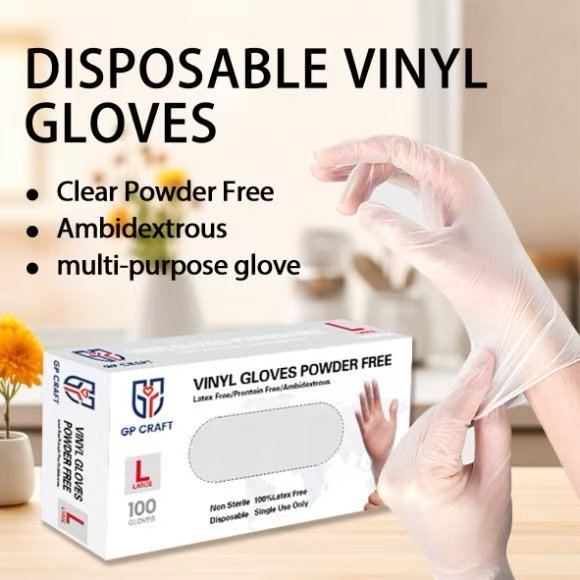
Vinyl offers a budget-conscious alternative for light-duty, short-duration food contact tasks. Clear or blue vinyl gloves work well for portioning, serving, or packaging finished products where a basic barrier is all that is needed. Vinyl is less elastic than nitrile, so it suits roles where gloves are changed frequently rather than worn through a full shift. For janitorial and sanitation roles within a food facility, vinyl is a cost-effective rotation option.
Food grade rubber gloves - the latex category - provide excellent elasticity and tactile sensitivity, making them a strong choice for tasks requiring grip precision: hand-milking, quality inspection of product texture, or detailed packaging work. The limitation is allergen risk. Natural rubber latex can trigger reactions in sensitized workers and in some jurisdictions carries restrictions in food processing settings. Verify your local regulations and staff health records before selecting latex for facility-wide use.
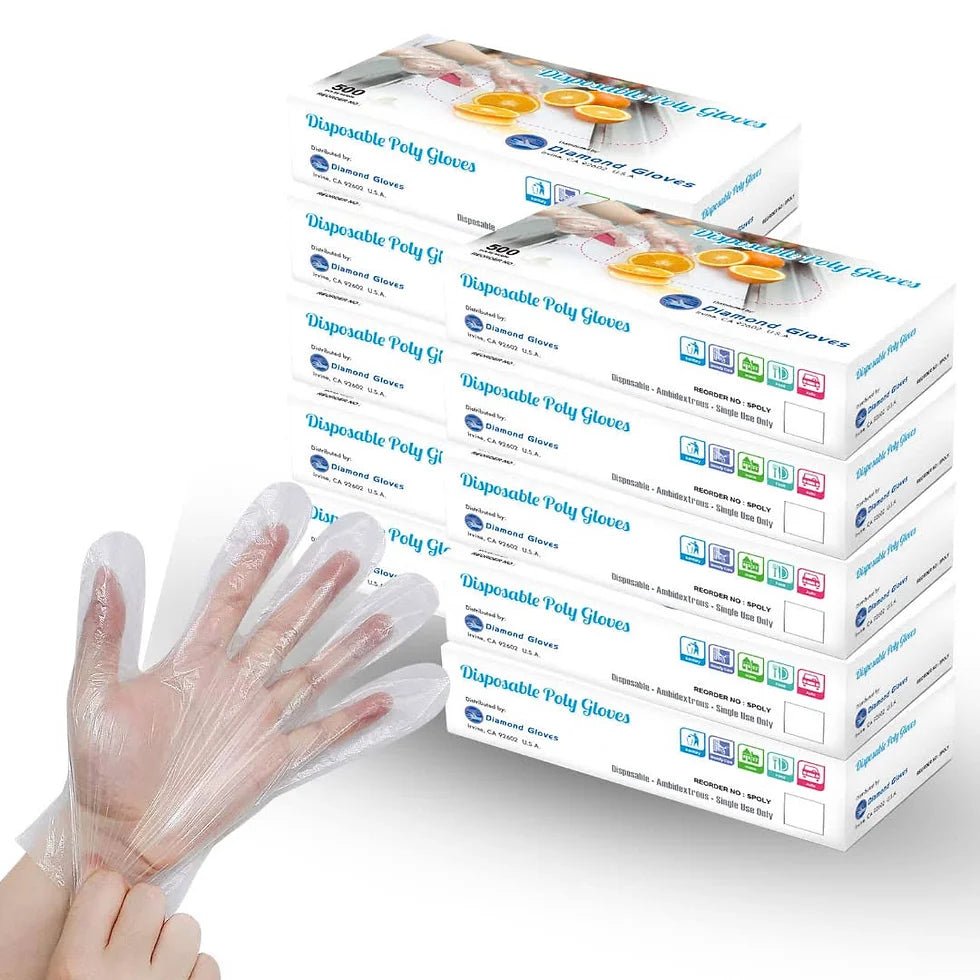
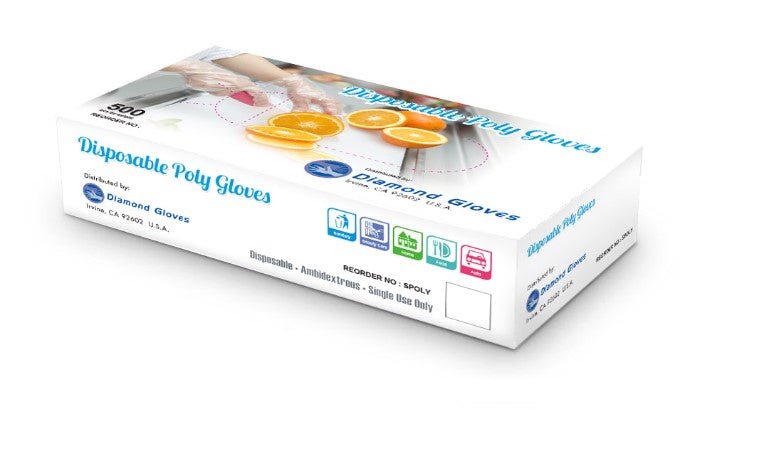
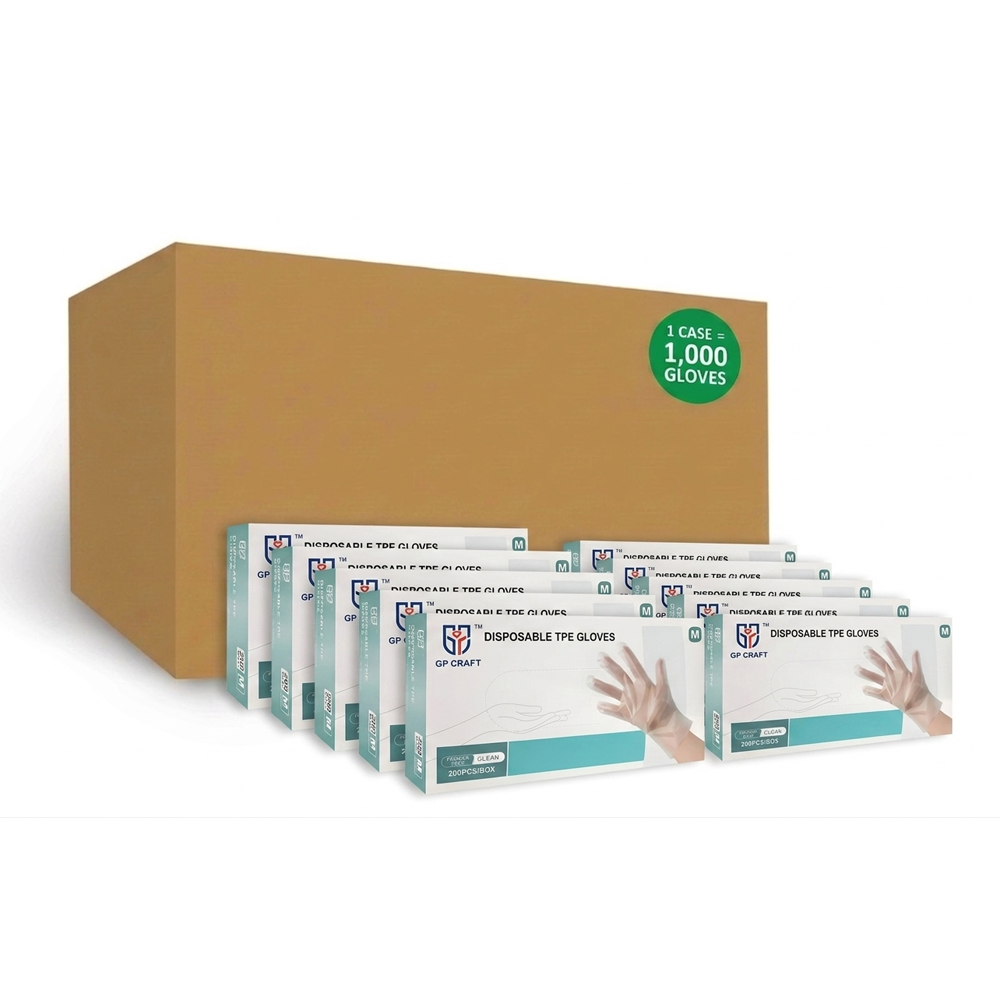
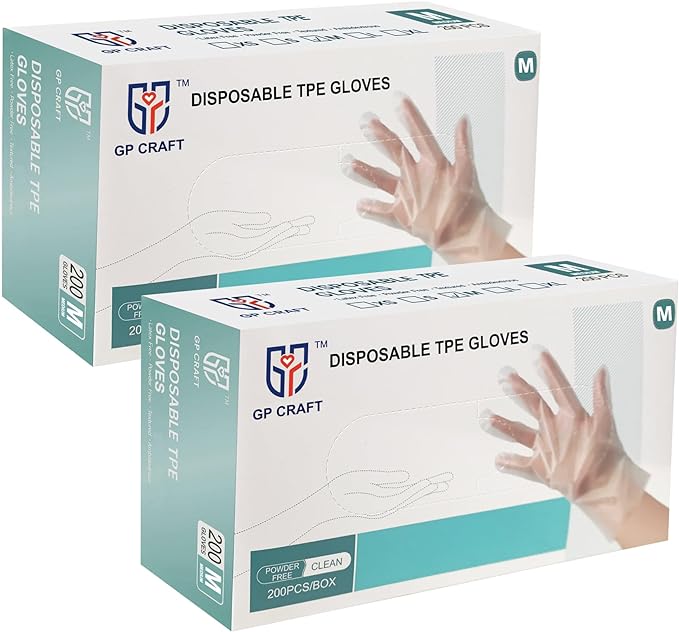
Poly and TPE gloves (thin polyethylene and thermoplastic elastomer blends) are the quick-change option. They are the thinnest and least durable of the group, but that is their advantage: they can be swapped out in seconds between tasks, making them ideal for high-turnover service roles such as sandwich prep, beverage dispensing, or sampling station work. They offer a basic barrier rather than heavy-duty protection.
In short: choose nitrile for processing, handling, and sanitation-adjacent tasks; vinyl for light packaging and portioning; latex only where allergen risk has been assessed and permitted; and poly or TPE where fast glove rotation matters more than durability.
Mil Thickness Guide for Dairy and Beverage Tasks
Mil thickness is the most misunderstood glove specification. Higher mil means a thicker, more durable glove - but it also means slightly less dexterity. Matching thickness to task prevents both over-spending and under-protection.
At 3 to 3.5 mil, food grade nitrile gloves are suited for quick-turn tasks: quality sampling, inspection, front-of-house beverage service, or any role where gloves are changed multiple times per hour. They are thin enough for good tactile feedback while still providing a reliable barrier for short-contact work.
At 4 to 5 mil, you have the workhorse range for dairy and beverage processing. This is the right thickness for milking equipment handling, packaging line work, raw ingredient processing, and any role where a glove is worn continuously through a significant portion of a shift. The additional thickness delivers meaningful puncture resistance without sacrificing the grip control needed on wet or oily surfaces.
At 6 mil, the glove is built for sanitation-adjacent work: cleaning-in-place (CIP) chemical exposure during facility washdowns, handling concentrated sanitizers, or operating in environments where equipment and surfaces are treated with harsh agents between production runs. Workers in agricultural and farm operations managing both animal contact and chemical disinfection will also benefit from 6 mil protection.
In short: 3 to 3.5 mil for short tasks and frequent changes; 4 to 5 mil for full-shift processing work; 6 mil for sanitation or chemical-heavy duties.
Shop Our Food Grade Gloves - Case of 1,000 Wholesale
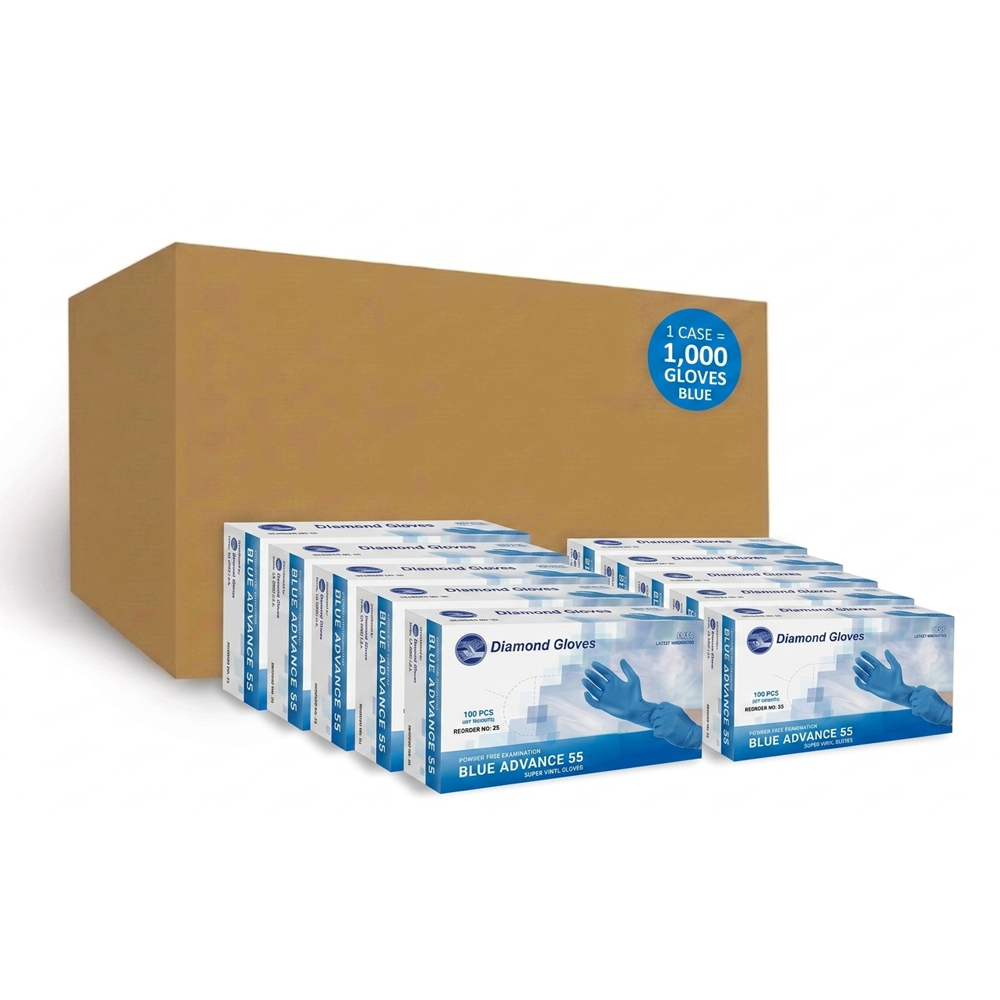
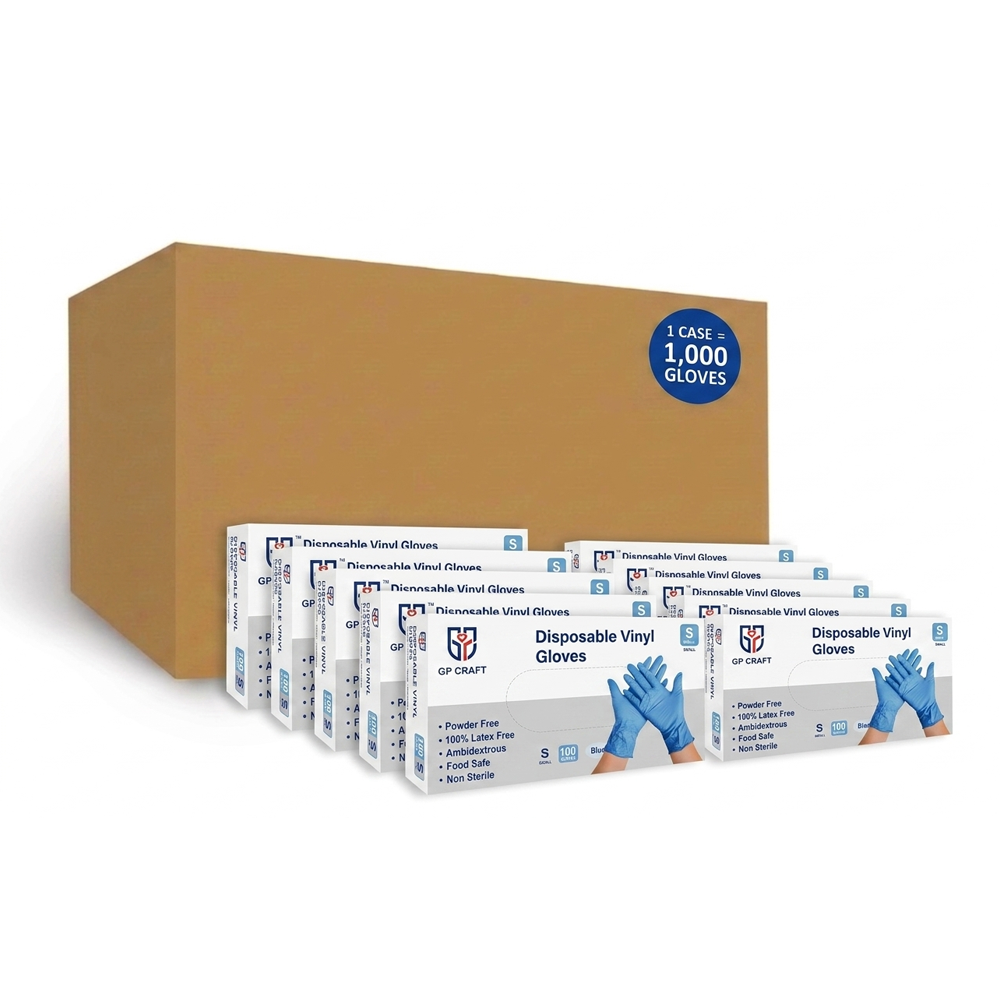
Every product in this collection is available by the case of 1,000 gloves at wholesale pricing. Orders over $200 qualify for free shipping. Below are featured options across the key material and thickness tiers:
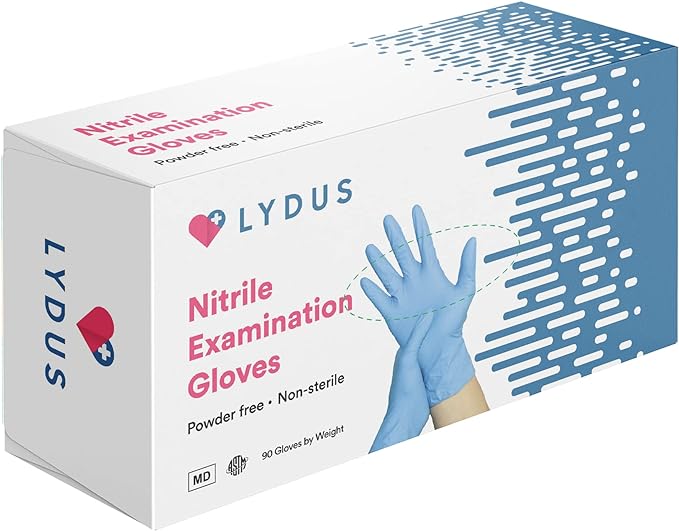
- Lydus 5 mil Blue Nitrile Examination Gloves (LBN5) - ASTM D6319 and FDA 510k cleared. The flagship option for dairy processing and beverage lines where both compliance documentation and shift-length durability matter.
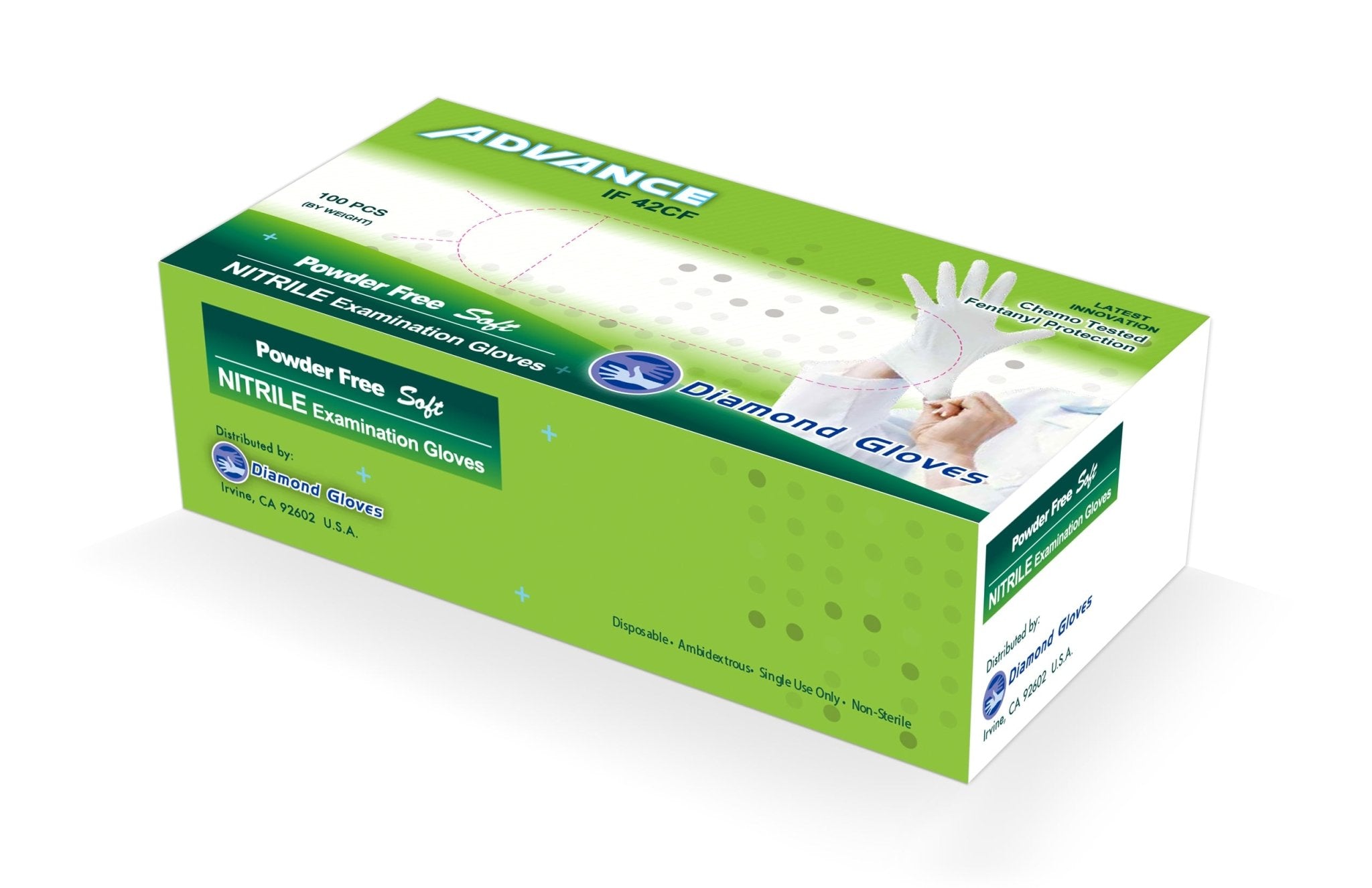
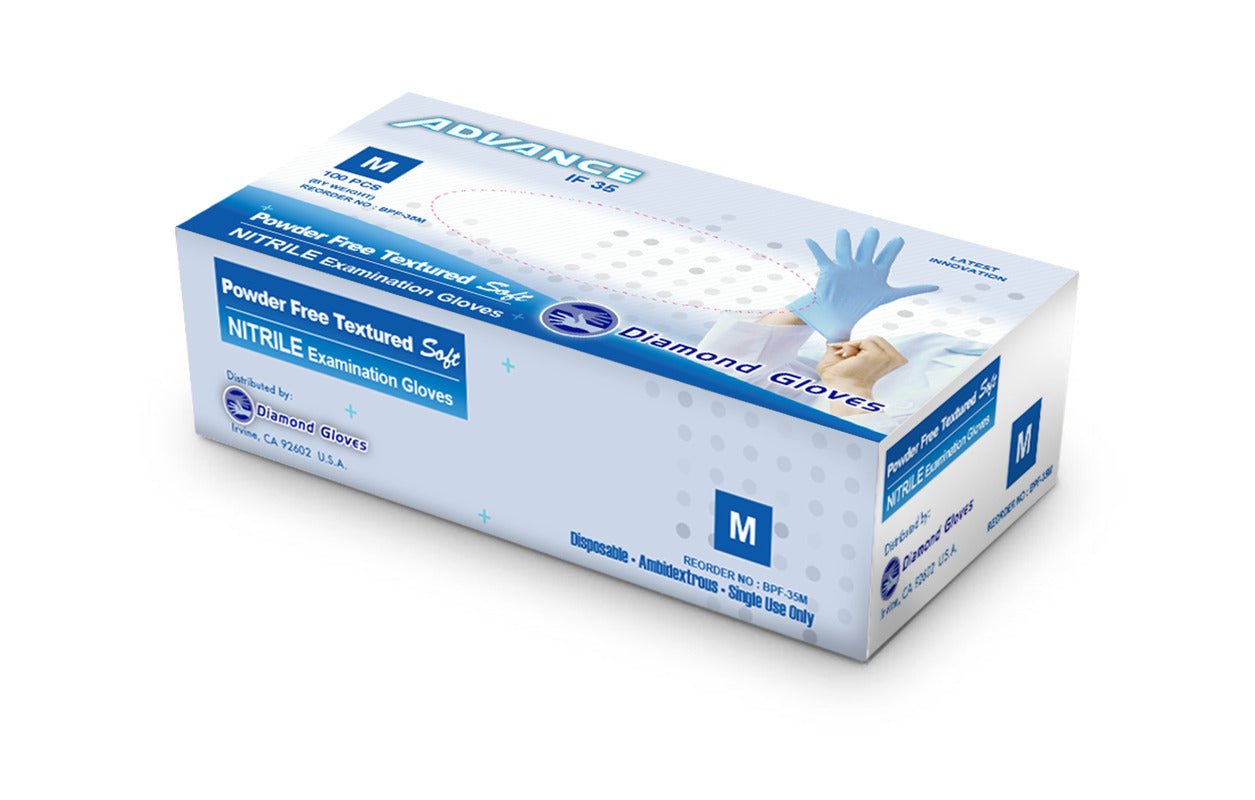
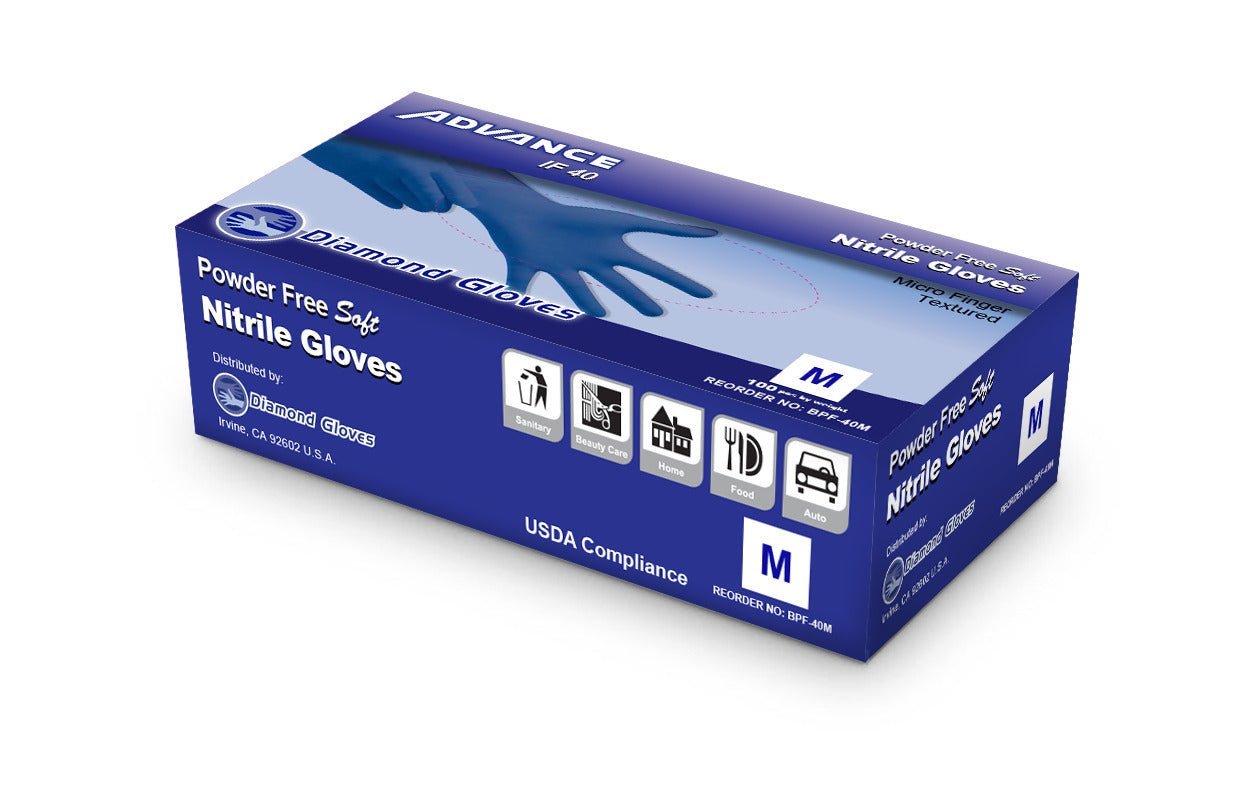
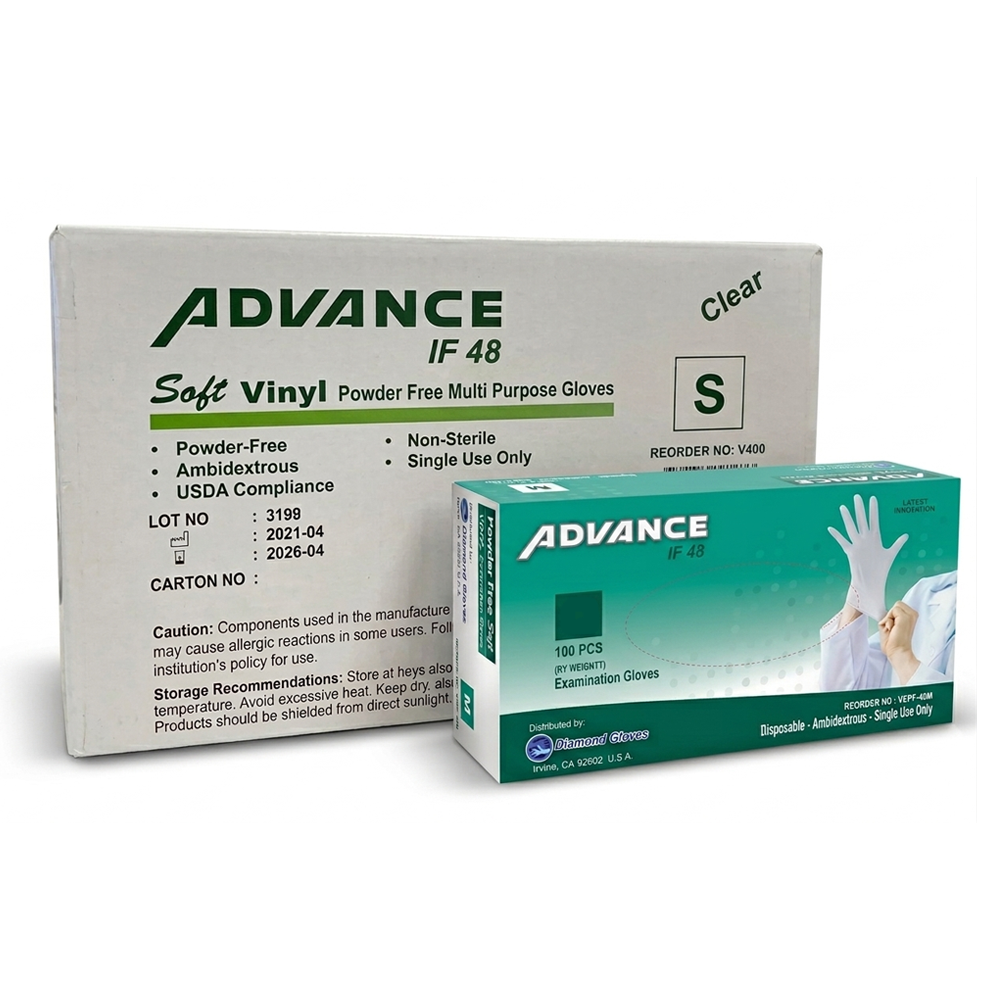
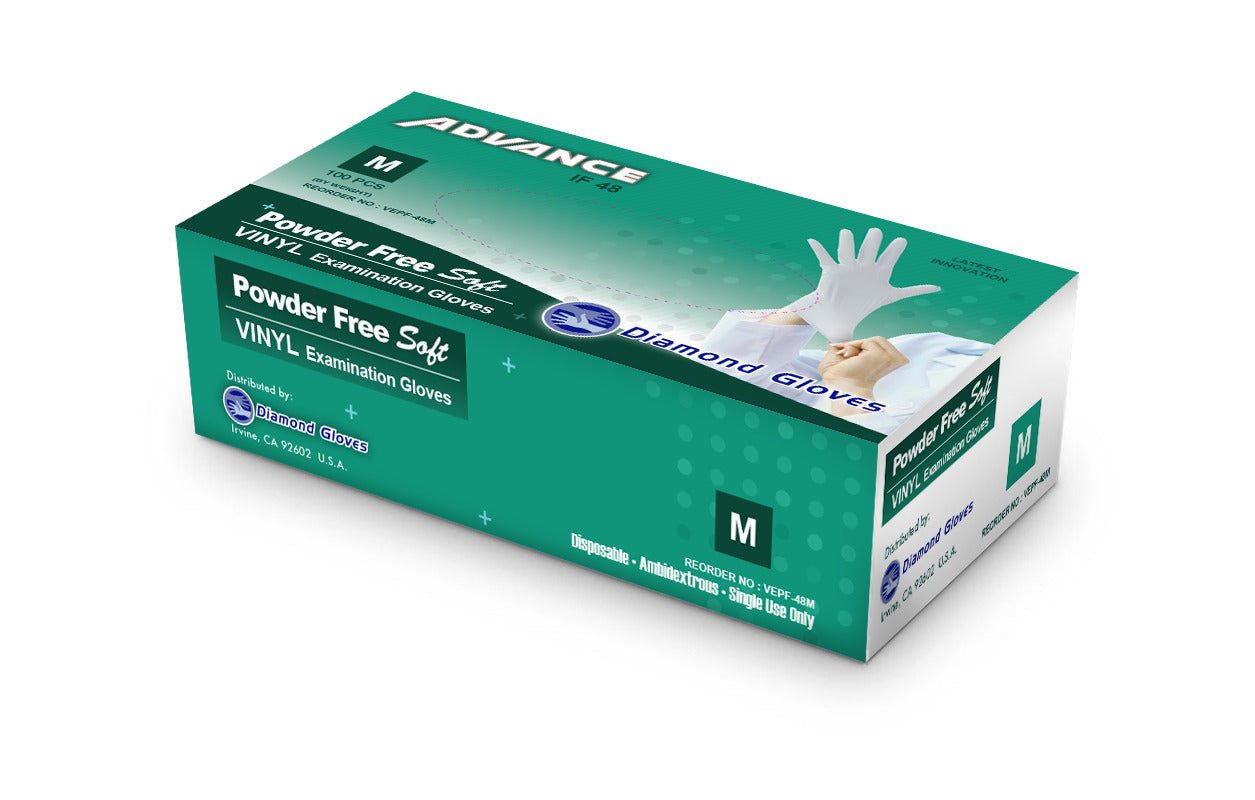
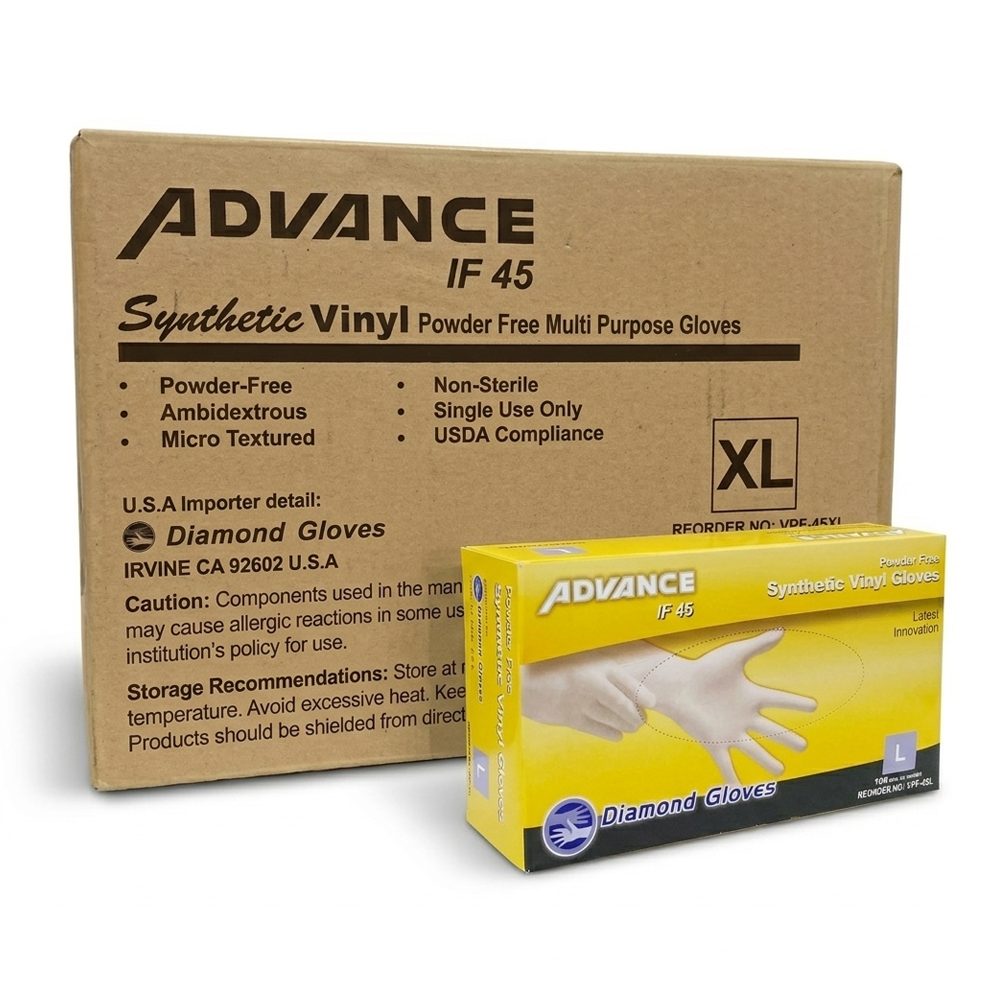
- Diamond Blue 4 mil Nitrile Exam Gloves (IF40) - Micro-textured, powder-free, latex-free. A reliable mid-weight option for packaging lines and continuous-wear processing roles.
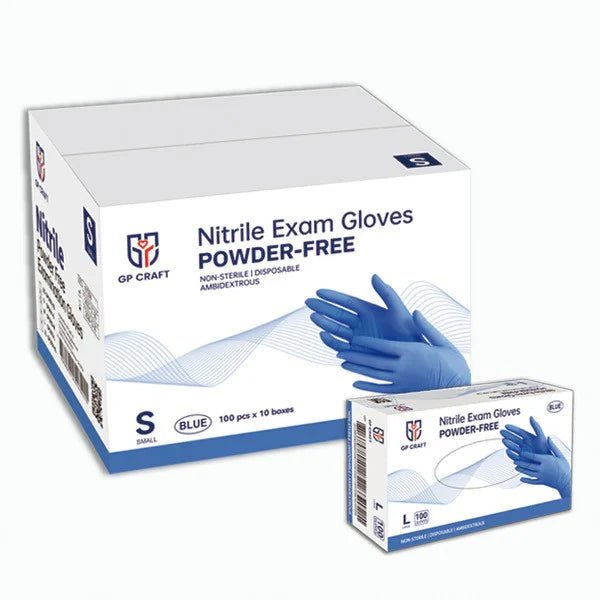
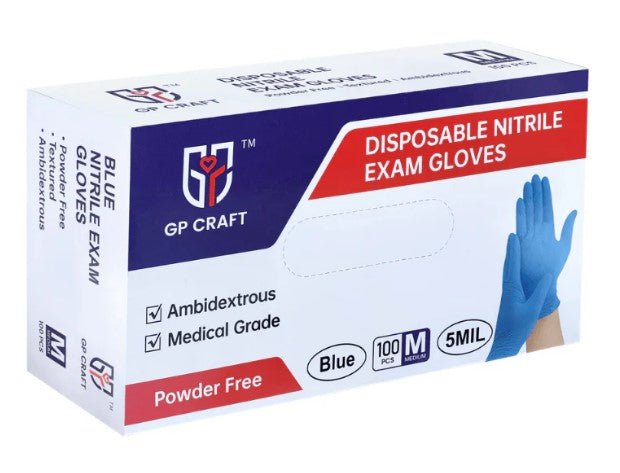
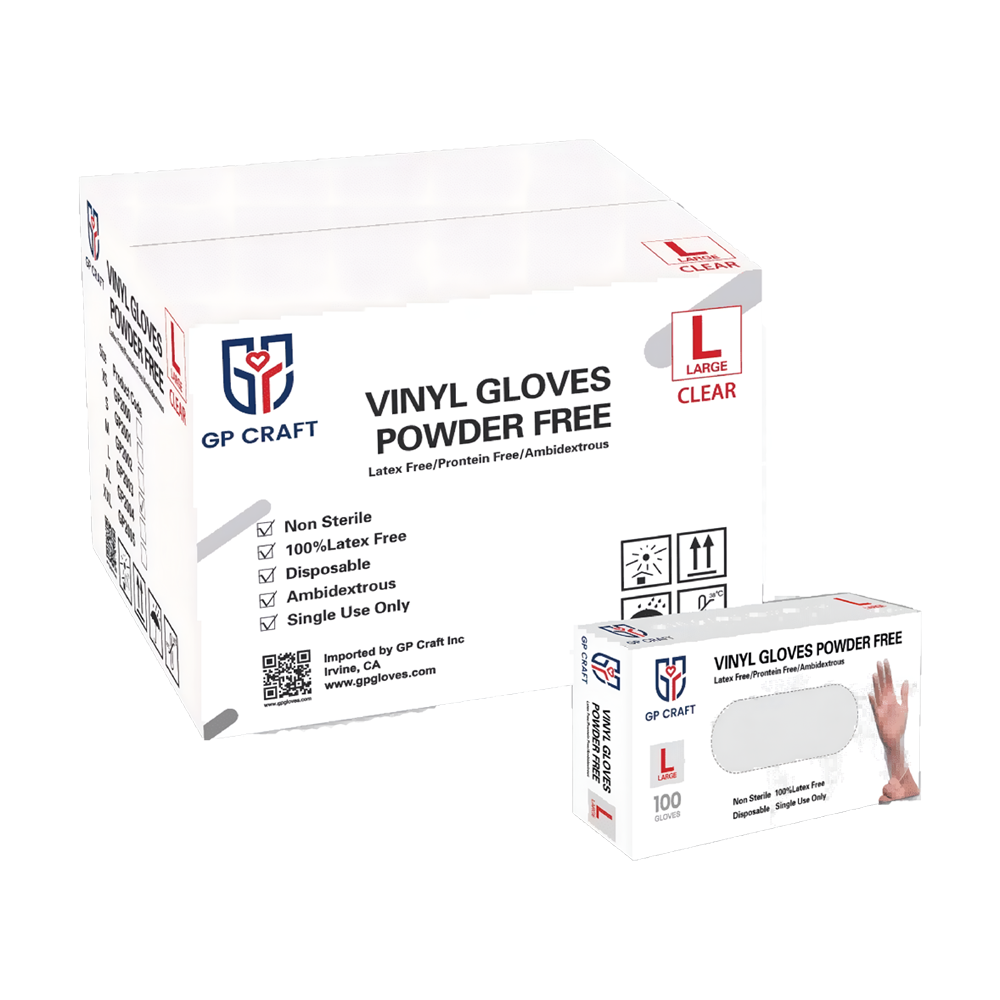
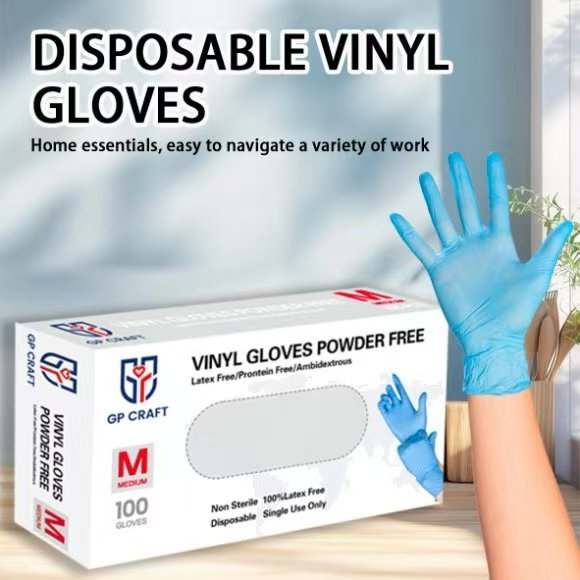
- GP Craft 4 mil Blue Nitrile Exam Gloves (GP40) - Powder-free exam-grade nitrile at a competitive case price. A strong everyday choice for high-volume food handling operations.
- GP Craft 3.5 mil Blue Nitrile Exam Gloves (GP32) - Lighter weight for quick-change tasks, inspection work, and beverage service. Powder-free and latex-free.
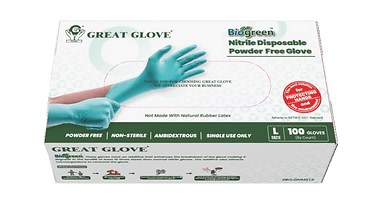
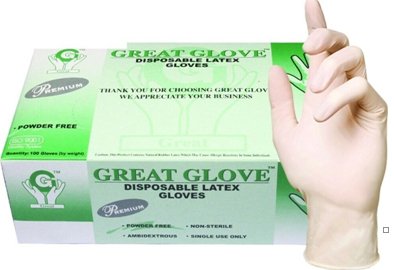
- Great Glove Biodegradable Nitrile Gloves (BIO-SNM5) - For operations with sustainability targets. Nitrile performance with biodegradable composition tested under ASTM D5511. Powder-free and food-contact safe.
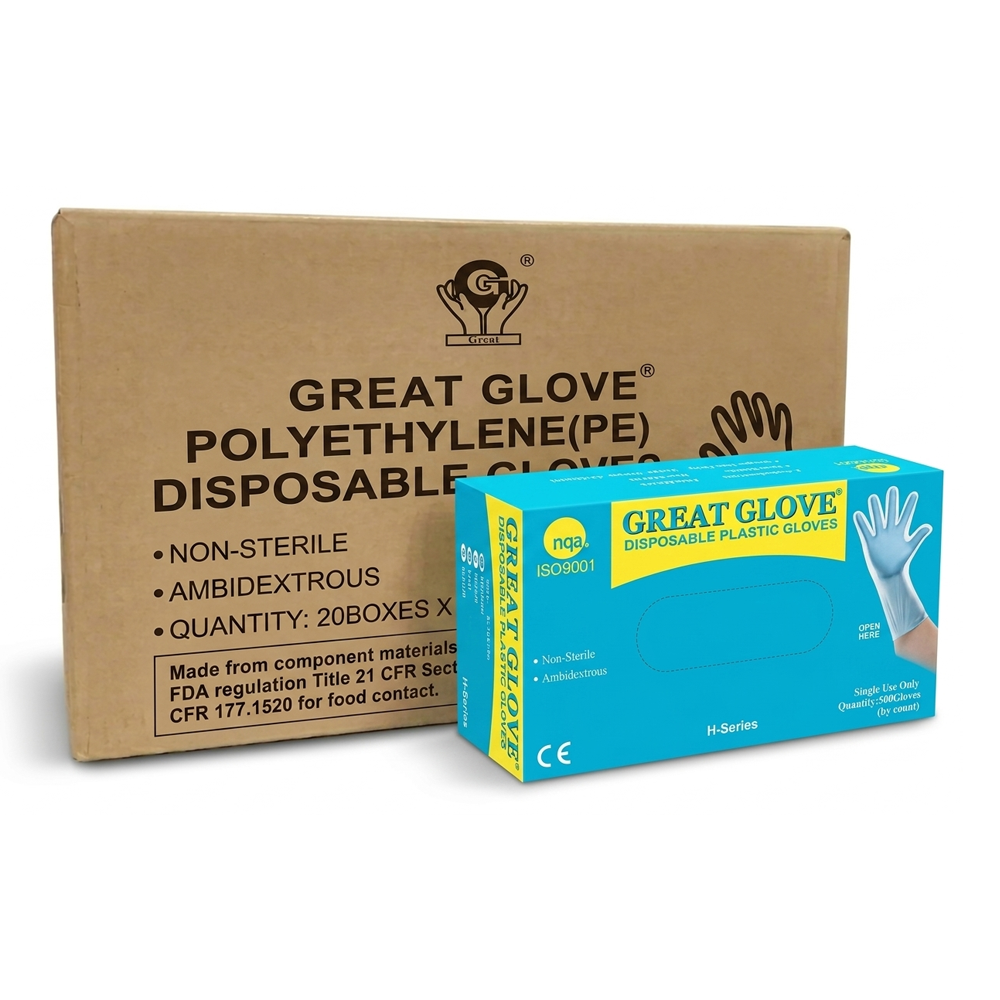
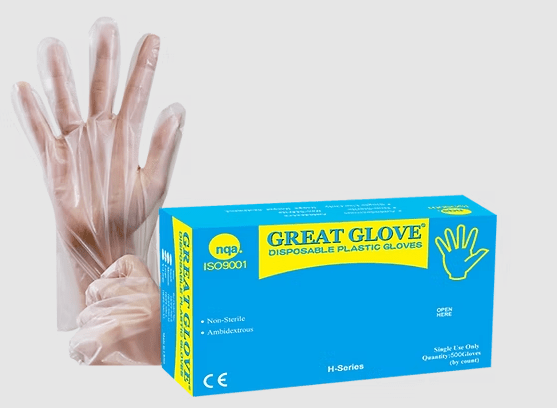
- Great Glove Clear Poly Disposable Gloves (HP500) - Available by the case of 10,000. The high-turnover option for sampling, portioning, and beverage service tasks where rapid glove changes are standard practice.
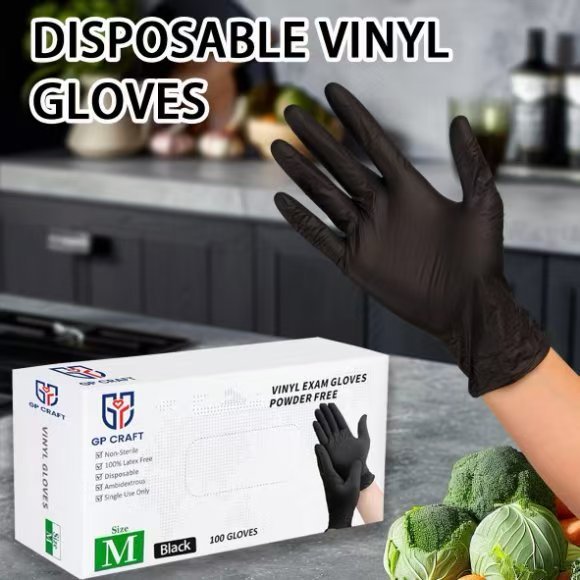
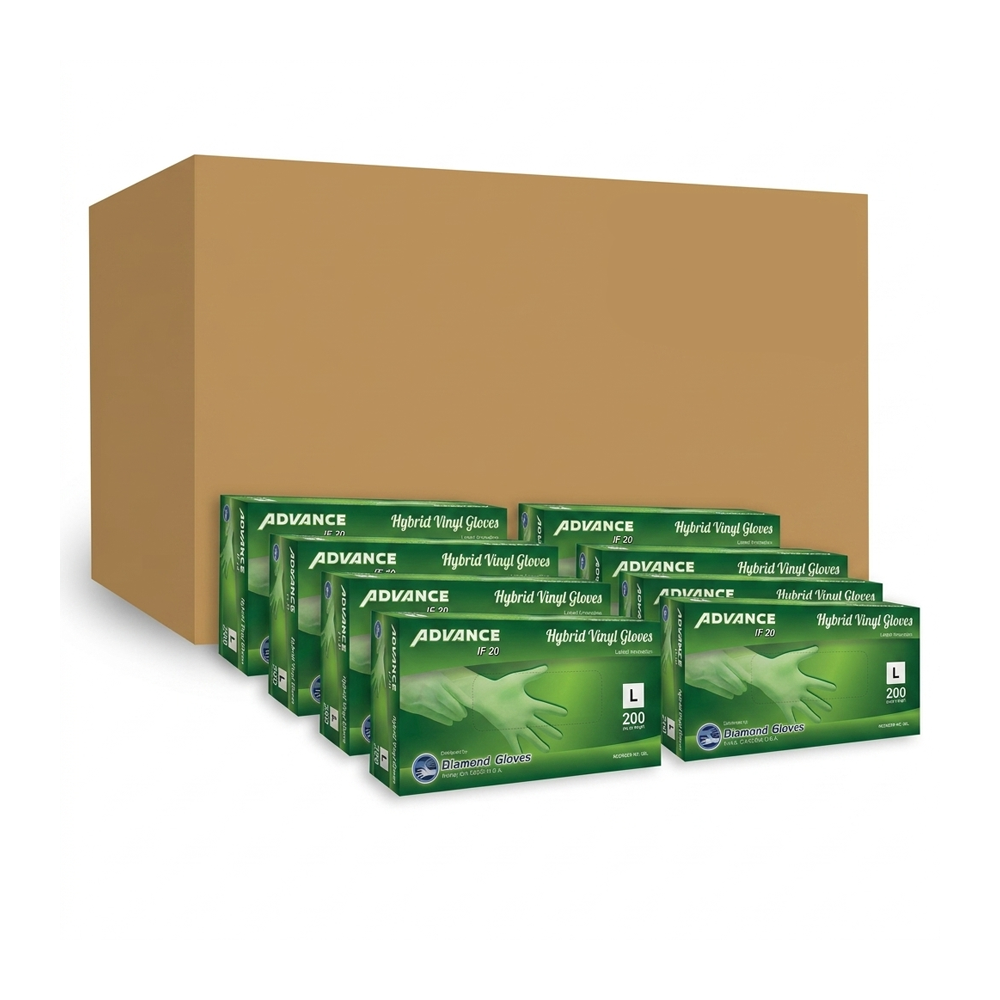
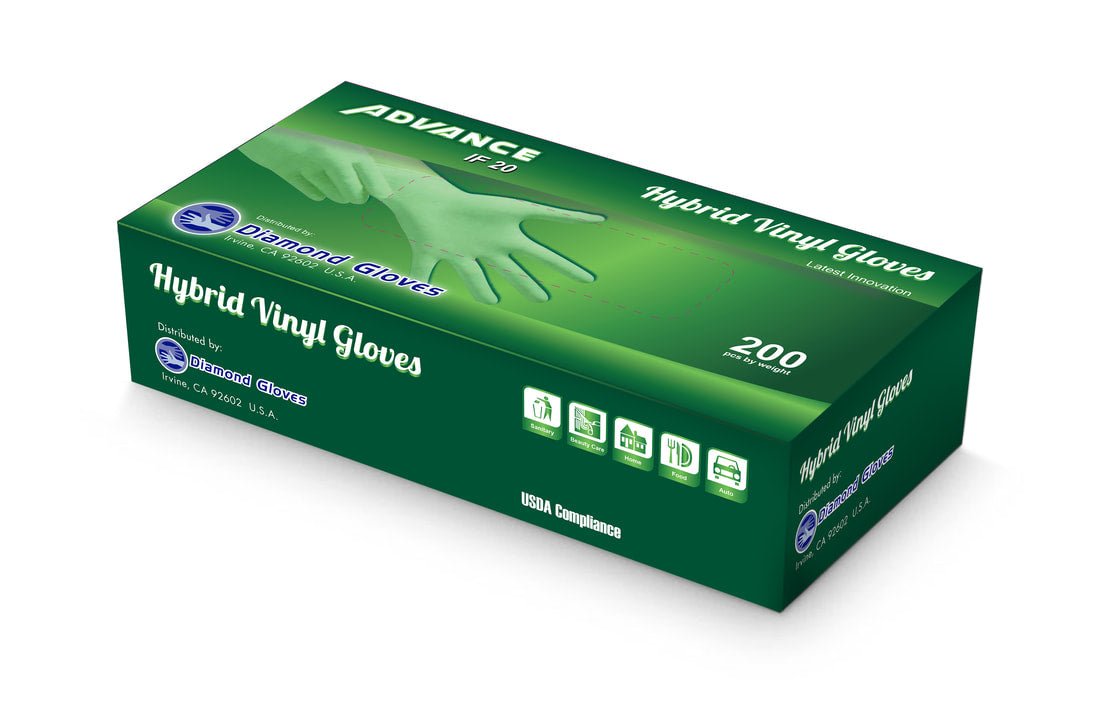
The full collection covers additional options including black nitrile, clear and blue vinyl, TPE hybrid gloves, and latex - all powder-free and food-contact appropriate. Use the filters above to narrow by material, thickness, or color.
Why Buy Food Grade Gloves at AP Medical Supply
AP Medical Supply is a dedicated wholesale glove supplier stocking exam-grade and industrial-grade options across nitrile, vinyl, latex, poly, and TPE - all available by the case of 1,000 at transparent wholesale pricing. Free shipping applies on orders over $200. Not sure which glove fits your specific dairy or food processing operation? Use our Glove Match Tool to find the right material, thickness, and size in minutes. Our team is also reachable directly for volume quotes and large-order support.
FAQ
Are all gloves in this collection food grade and safe for direct food contact?
Yes. Every glove in this collection is powder-free and made from food-contact-safe materials including nitrile, vinyl, latex, poly, and TPE. Powder-free construction is a regulatory requirement for food contact use under FDA guidelines.
Why are blue gloves recommended for dairy and beverage operations?
Blue provides maximum contrast against white and cream-colored dairy products. A torn fragment from a blue glove is immediately visible during processing or inspection, making it far easier to detect contamination before product reaches packaging.
What is the difference between food grade nitrile gloves and standard nitrile gloves?
Food grade nitrile gloves are confirmed powder-free and manufactured without additives that could transfer to food. Many exam-grade nitrile gloves also meet food-safe requirements. Check the individual product page for compliance details on each SKU.
How thick should food grade gloves be for dairy processing?
For full-shift processing and packaging line work, 4 to 5 mil nitrile is the standard choice. For quick inspection and sampling tasks, 3 to 3.5 mil is sufficient. For sanitation and CIP chemical exposure, 6 mil is recommended.
Can I use latex gloves for food handling in dairy facilities?
Latex can be food-safe, but natural rubber latex carries allergen risk for sensitized staff and is restricted in some states for food processing use. Nitrile or vinyl are the safer default for most facilities. Check your local regulations before selecting latex.
Do these gloves work for the beverage industry?
Yes. This collection covers gloves for beverage industry applications from bottling lines and packaging to front-of-house dispensing and quality sampling. Poly and TPE options are particularly well suited to high-turnover beverage service roles.
What is the minimum order for wholesale pricing?
All products are listed at wholesale case pricing with no minimum order beyond a single case of 1,000. Orders over $200 qualify for free shipping.
Related Blogs
Looking to go deeper on glove selection and food-safe PPE? These articles from the AP Medical Supply blog cover the details that matter for procurement decisions.
Our Ultimate Guide to Disposable Gloves walks through every material and thickness category with specific product recommendations by use case - a useful reference for facilities ordering across multiple departments or roles.