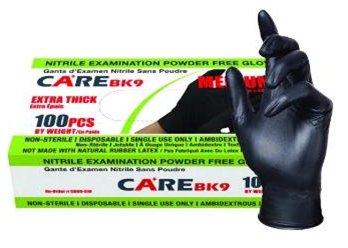
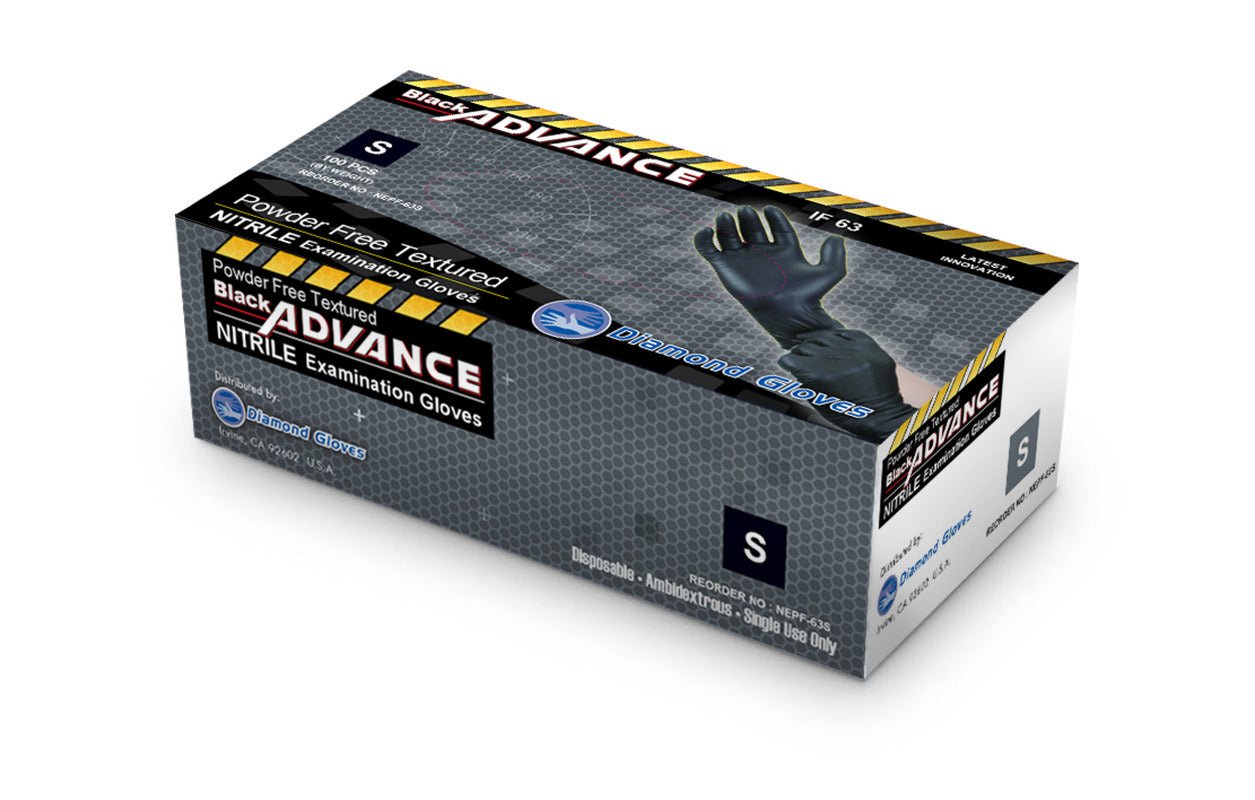
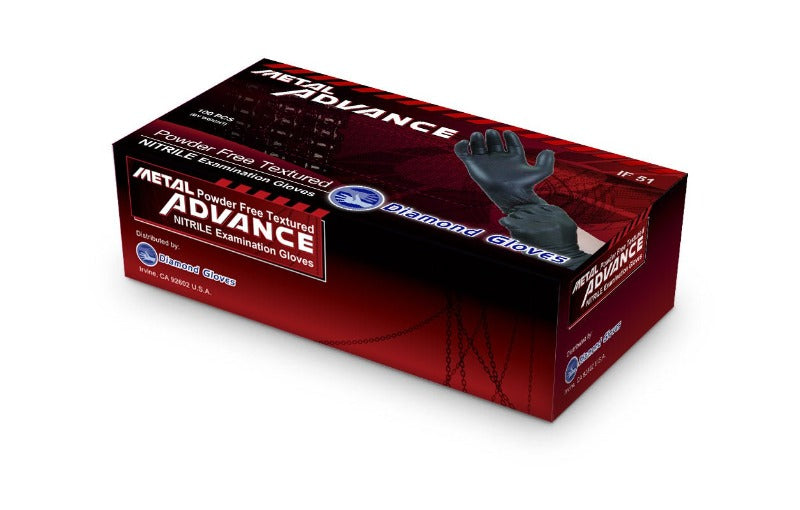
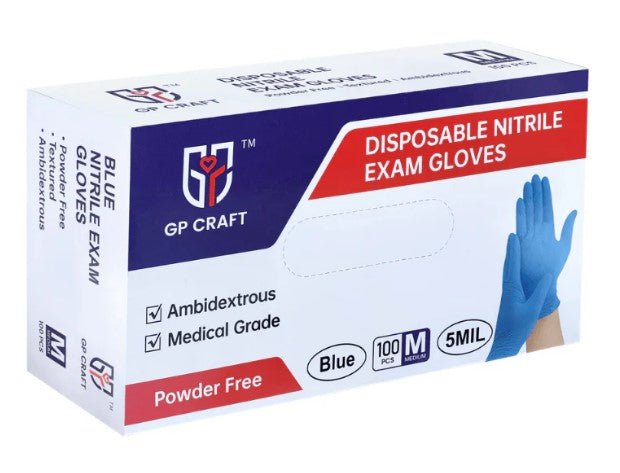
AP Medical Supply carries tattoo gloves and beauty salon gloves for studios and salons that need certified protection without sacrificing precision. From nitrile to latex and vinyl tattoo gloves and beauty gloves, every option ships by the case with fast US delivery and free shipping on orders over $200. Whether you are outfitting a tattoo studio, a hair salon, or a nail tech team, this collection covers every service type and budget.
Tattoo and Beauty Gloves Built for Professional Use
Tattoo artists, permanent makeup artists, hair colorists, nail technicians, estheticians, and wax specialists all share the same core need: tattoo gloves and beauty gloves that create a reliable barrier without slowing down precision work. This collection serves both industries from one source, covering nitrile, latex, and vinyl options in multiple colors and thicknesses, each available in wholesale cases of 1,000 gloves.
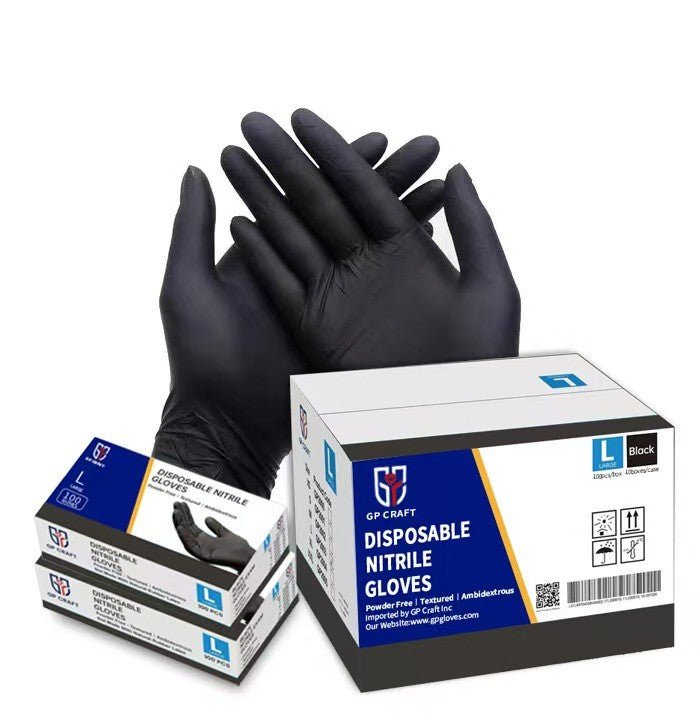
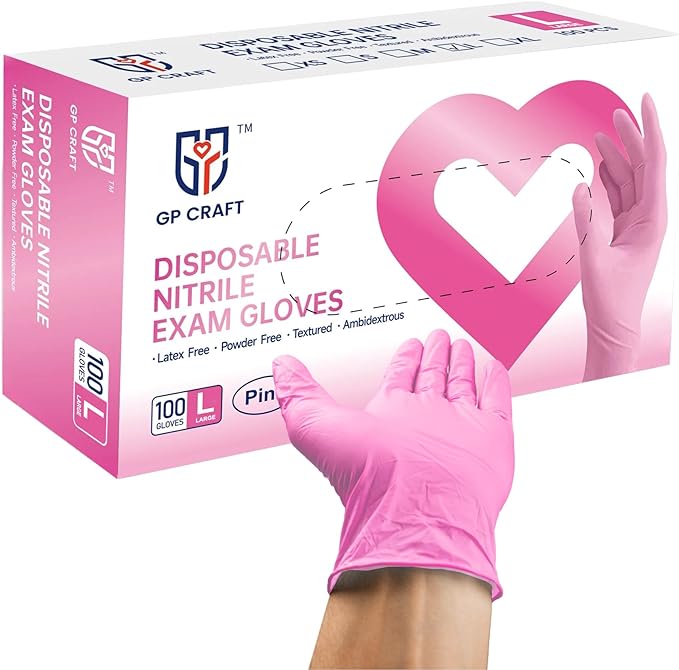
Gloves in a professional setting do more than protect hands. They signal to clients that hygiene is taken seriously, which builds trust and strengthens studio or salon reputation. A clean pair of black nitrile tattoo gloves on a tattoo artist or a matching set of pink nitrile beauty gloves in a nail salon makes an immediate impression before the service even begins.
For teams that also need medical or exam supplies alongside their gloves, the full gloves range carries additional options to consolidate purchasing with a single supplier.
Key Benefits and Features to Look For
Not every disposable glove meets the demands of tattoo and beauty work. Before buying a case, it helps to know exactly which features matter for your specific services.
Protection and Chemical Resistance
Tattoo and body art involve broken skin, which means gloves must meet medical exam-grade standards for bloodborne pathogen protection, not just industrial grade. Beauty professionals face a different set of chemical exposures: ammonia and hydrogen peroxide in hair dye and bleach, formaldehyde in nail polish, and alcohol-based primers and gel compounds in nail services.
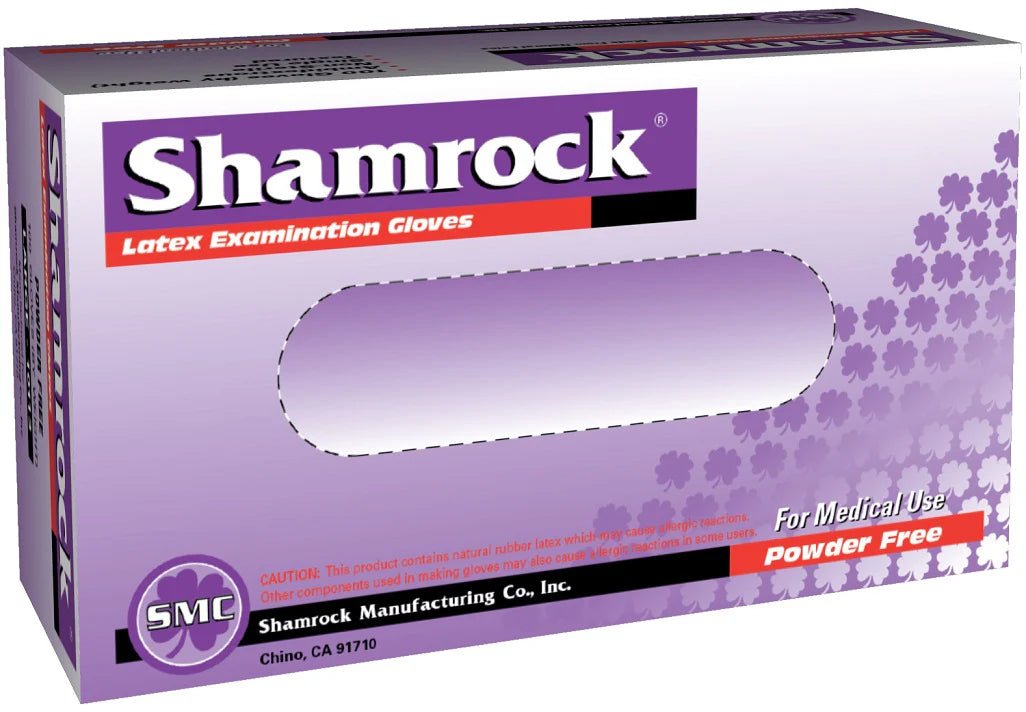
One of the most important points that is often missed when buying beauty salon gloves is the acetone issue. Nitrile gloves resist hydrogen peroxide, ammonia, and most hair dye compounds well, but they break down under prolonged acetone exposure. Nail technicians who use acetone-based removers regularly should choose latex gloves instead, since latex is the only common disposable material that holds up against acetone for extended sessions.
Tactile Sensitivity and Dexterity
Fine linework in tattooing, eyelash placement, microblading strokes, and nail art all require the artist to feel exactly what their tools are doing. A glove that is too thick or poorly fitted dulls that feedback and leads to slower, less accurate work. Textured fingertips help maintain grip in wet conditions, whether that is tattoo ink, hair gel, or nail product.
Snag-Free Finish for Hair Work
Hair colorists and stylists face a specific problem that most glove suppliers do not address directly: rough-surfaced gloves catch and pull fine hair strands during balayage, highlight placement, and color application. Nitrile and latex both have surfaces smooth enough to work through hair cleanly. Vinyl gloves tend to have a slightly rougher texture and are generally not recommended for hair-specific services for this reason.
Color Options and Studio Aesthetics
Glove color is both a functional and a branding decision. Black tattoo gloves are the industry standard in tattoo studios because the dark surface conceals ink and blood stains, keeping the workspace looking clean and professional throughout a session without alarming clients. The same logic applies to hair salons handling dark dyes. Pink and purple nitrile gloves are popular in nail salons and esthetic studios where the space has a specific aesthetic that clinical blue or black would not fit. Blue gloves suit medspa and clinical esthetics settings where a medical look reinforces credibility. If working exclusively with black ink in tattooing, some artists prefer a contrasting glove color to spot any surface contamination on the fingertips more easily.
Applications by Service Type
Different services call for different glove specifications. Using one glove type across all services is a common mistake that leads to either over-protection that slows down precise work, or under-protection that creates real safety risk.
Tattooing and Body Art
Choosing the right tattoo gloves starts with understanding what the work actually demands. Tattooing punctures the skin, which means every session involves blood and an open wound. Medical exam-grade gloves rated for bloodborne pathogen exposure are a regulatory requirement in most US states, not a preference. Nitrile is the standard choice because it resists punctures and is latex-free, removing the risk of triggering a client latex allergy mid-session. Black is the dominant color for tattoo gloves for the same reason it is popular in law enforcement: it masks visual contamination and maintains a clean, professional look throughout long sessions.
For high-risk sessions, the double-glove technique provides an extra layer of protection. The artist wears a thinner glove (3 to 4 mil) underneath and a standard-weight glove (5 mil) on top. If the outer glove tears, the inner glove maintains the barrier while the outer is replaced. Gloves must be changed between every client, whenever a tear occurs, when switching between tattooing and adjusting equipment, and after touching any non-sterile surface.
Permanent Makeup and Microblading
Permanent makeup and microblading share the bloodborne exposure requirement of tattooing but demand even higher tactile sensitivity since the strokes are finer and the margins for error smaller. Many PMU and microblading artists prefer latex because its natural elasticity molds to the hand as it warms up, reducing the stiffness that some nitrile gloves produce during long procedures. For studios where latex allergy is a concern, a thin nitrile glove at 3.5 to 4 mil is the next best option.
Hair Coloring, Bleaching and Balayage
Hair colorists work with some of the most reactive chemicals in any beauty setting. Ammonia in permanent color, hydrogen peroxide in developer and bleach, and phenylenediamine compounds in dye formulas can all cause contact dermatitis with repeated unprotected exposure. Nitrile gloves handle these chemicals well and are the default choice for colorists. Black gloves are preferred by stylists working with dark shades and fashion colors because staining is invisible to clients seated in the chair.
Nail Services, Manicures and Pedicures
Nail services present the most chemically specific glove requirement of any beauty discipline. Acetone, the main ingredient in most nail polish removers, degrades nitrile quickly during extended contact. Nail technicians should use latex gloves for services that involve acetone-based removal. For services focused on gel, acrylic, or UV work where acetone is not the primary chemical, nitrile is a viable alternative. Vinyl covers low-risk tasks like basic filing or applying non-acetone treatments where dexterity matters more than chemical resistance.
Esthetics, Facials and Skincare Treatments
Estheticians need gloves thin enough to feel skin texture, detect blemishes, and apply even pressure during massage and extractions. A 3 to 3.5 mil nitrile or latex exam glove is standard for facial work. For hot wax applications, lash extensions, and brow services, the glove must allow the artist to handle very small tools and adhesives without losing the feel of the material in their hands.
Nitrile vs Latex vs Vinyl: Which Material for Your Service
Choosing the right material is the single most important decision when buying beauty salon gloves or tattoo gloves. Each material has a specific strength and a specific limitation.
- Nitrile: Resists hydrogen peroxide, ammonia, hair dye, and most salon chemicals. Latex-free and puncture resistant, making it the most versatile choice across tattoo and beauty services. Not suitable for prolonged acetone contact.
- Latex: Highest elasticity of the three materials, creating a true second-skin fit that reduces hand fatigue during long procedures. Resists acetone, making it the correct choice for nail services. Limitation: allergy risk for both stylists and clients.
- Vinyl: Most economical option, suited to low-risk short-duration tasks like washing hair at the shampoo bowl, applying basic facial masks, or general cleanup. Minimal chemical resistance and not suitable for tattooing, heavy chemical hair work, or extended wear.
In short, nitrile works for most tattoo and beauty applications; latex is the right call for nail services and precision PMU work; vinyl handles light-touch tasks where chemical protection is not a priority.
How to Choose the Right Glove Thickness and Fit
Thickness should follow the chemical exposure level and session length. Choosing too thin risks tearing mid-session; choosing too thick reduces the tactile sensitivity that precision beauty and tattoo work depends on.
- 3 to 3.5 mil: Esthetics, facials, lash extensions, waxing, microblading. Maximum tactile sensitivity for precision work involving delicate skin and fine tools.
- 4 to 5 mil: Tattooing, standard hair coloring, nail services without heavy acetone use. Good balance of protection and dexterity for sessions up to 3 to 4 hours.
- 5 to 6 mil: Long tattoo sessions, full bleach applications, perm treatments, heavy chemical exposure. Added wall thickness improves durability under mechanical stress and extended chemical contact.
Thickness should scale with risk and duration, not default to the thinnest option to save cost per glove.
Fit is equally important. A glove that wrinkles at the fingertips causes imprecision and catches on hair or fine tools. A glove that is too tight tears at the wrist and fatigues the hand faster. Size by palm width: small fits 3 to 3.5 inches, medium fits 3.5 to 4 inches, large fits 4 to 4.5 inches, and XL fits 4.5 to 5 inches. Studios and salons ordering for a full team should always order a full size spread from small through XXL.
When to Change Gloves
Glove hygiene is as important as selecting the right tattoo gloves or beauty salon gloves. Change gloves between every client without exception. Replace immediately if a tear or puncture occurs, even a small one. Switch to a fresh pair when moving from tattooing to machine adjustment and back, or when touching a phone, door handle, or any non-sterile surface during a session. For beauty professionals, change between clients and between distinctly different chemical applications.
A note on hand care: wearing gloves for multiple hours dries out skin over time, particularly nitrile. Using a fragrance-free, non-oily hand moisturizer after each shift reduces irritation without leaving a residue that would make the next pair slippery. Powder-free gloves cause significantly less skin irritation than powdered options and are the standard recommendation for all-day professional wear.
Top Tattoo and Beauty Gloves at AP Medical Supply
These are the best tattoo gloves and beauty gloves that studios and salons order most consistently, chosen for their certification, tactile performance, and bulk availability.
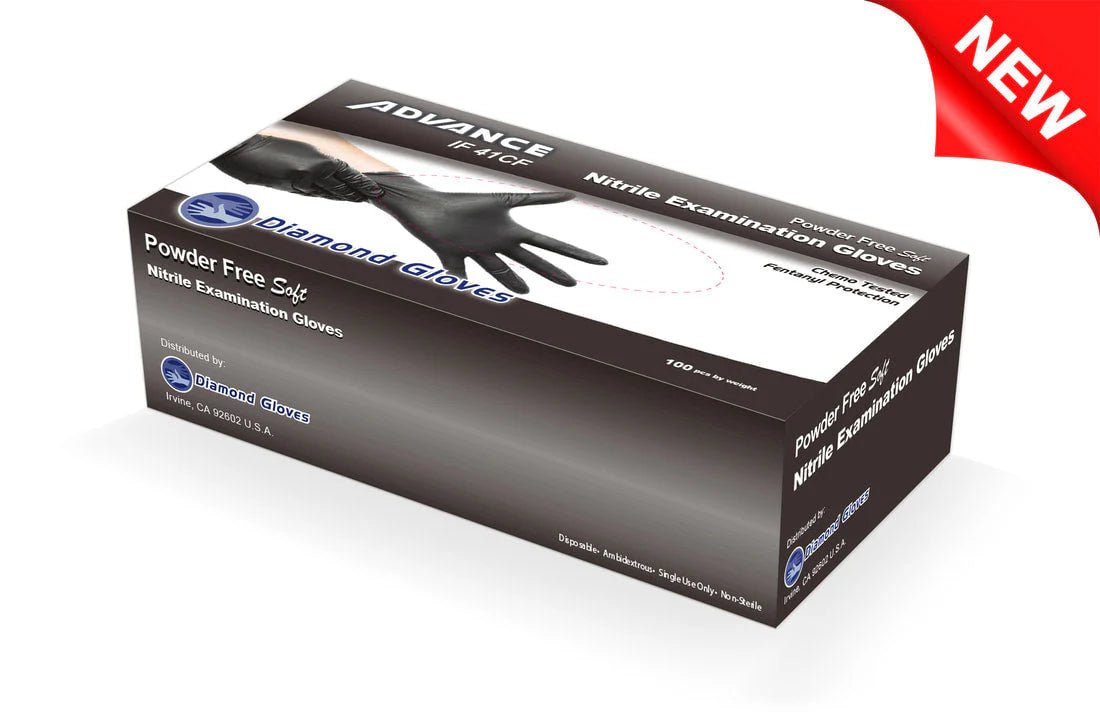
Diamond 4 mil Black Nitrile Exam Gloves (IF41) are a top pick among tattoo gloves for artists and hair salon professionals who need maximum sensitivity in a black glove. The micro-textured surface keeps grip secure through ink and dye, the 4 mil thickness preserves full finger feel for detailed linework and precision color placement, and the FDA-compliant exam-grade rating meets the medical barrier requirement for tattooing.
SkinTx 5 mil Black Nitrile Gloves (BLK500) step up the protection for longer tattoo sessions and heavy salon chemical work. The extra wall thickness reduces the chance of a mid-session tear and holds up better under prolonged contact with bleach and developer formulas, while the textured fingertips maintain grip even when hands are wet.
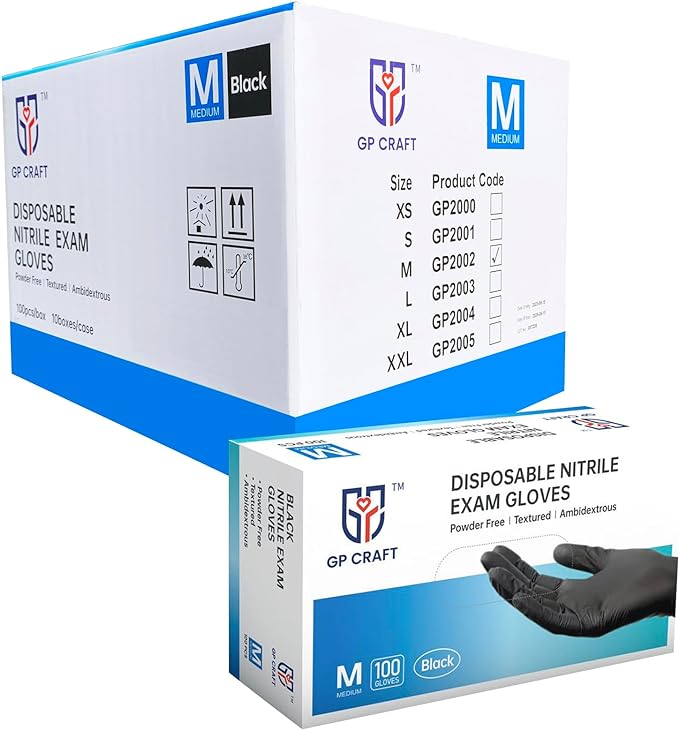
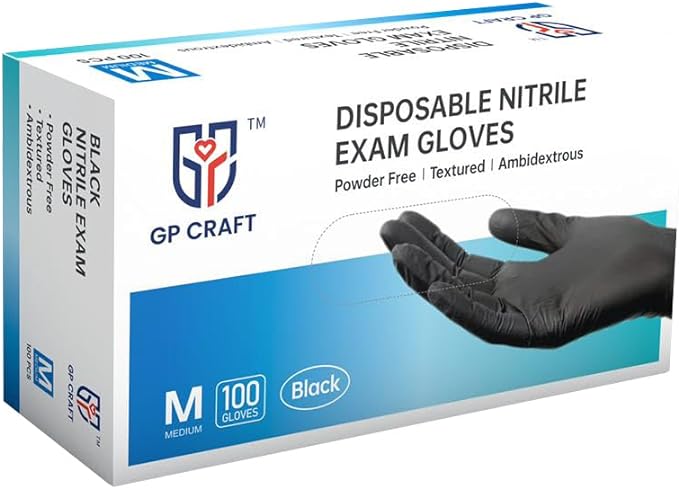
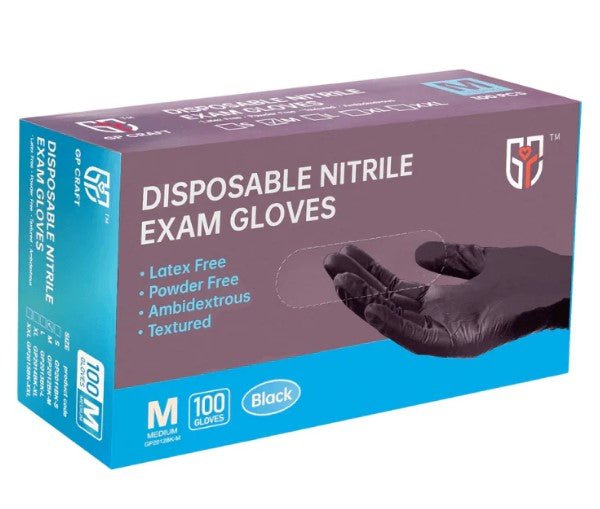
GP Craft 6 mil Black Nitrile Gloves (GP63) are the heavy-duty option for studios and salons dealing with extended chemical exposure. Six mil thickness provides a significantly more durable barrier during full-head bleaching, keratin treatments, and chemical straightening, and the black color keeps staining invisible throughout the service.
GP Craft 3.5 mil Pink Nitrile Gloves (GP35P) bring a salon-appropriate aesthetic to light-touch beauty services. At 3.5 mil, they are thin enough for esthetic facial work, lash applications, and nail services while providing the nitrile barrier needed for most beauty chemicals. The pink color suits the visual identity of nail salons and beauty studios that prefer a softer palette.
GP Craft 3.5 mil Purple Nitrile Gloves (GP30) offer the same light protection profile in purple, popular among nail technicians and general beauty professionals who want to differentiate from standard blue or black clinical gloves. Both colored options ship in cases of 1,000 with full size availability from small to XXL.
Why Buy Tattoo and Beauty Gloves at AP Medical Supply
AP Medical Supply stocks certified beauty salon gloves and tattoo gloves with complete specifications listed on every product page, so studios and salons can confirm material, thickness, certification, and color before placing a case order. There are no surprises between batches, which matters for teams that reorder the same SKU month after month.
Orders over $200 ship free across the US, case pricing keeps per-unit cost low compared to buying boxes individually, and the full range covers everything from medical exam-grade tattooing gloves to light-duty vinyl for salon utility tasks.
For studios and salons that also need gloves for other tasks, the best-selling gloves collection offers additional options across materials and thicknesses. Full size availability from small through XXL means every team member gets a properly fitted glove without substituting sizes.
FAQ
What are the best tattoo gloves for long tattoo sessions?
Nitrile gloves at 5 to 6 mil provide the best combination of puncture resistance, chemical barrier, and durability for sessions lasting three or more hours. Black nitrile is the standard in most tattoo studios for its professional look and stain-concealing surface.
Should tattoo artists use nitrile or latex gloves?
Nitrile is the default for most tattoo artists because it is latex-free, puncture resistant, and does not risk triggering a client latex allergy. Latex is a secondary option for artists who prioritize the second-skin fit and elasticity of natural rubber and have confirmed no allergy concerns.
Which beauty salon gloves work best with acetone?
Latex is the only standard disposable glove material that resists acetone effectively. Nail technicians using acetone-based removers should avoid nitrile for those specific tasks, as nitrile degrades under prolonged acetone contact.
Do tattoo artists need medical exam-grade gloves?
Yes. Tattooing and microblading involve broken skin and blood exposure, which means most US states require gloves rated for bloodborne pathogen protection. Industrial-grade gloves do not meet this standard; medical or exam-grade gloves do.
What is the double-glove technique used in tattooing?
Some tattoo artists wear a thinner glove (3 to 4 mil) underneath a standard glove (5 mil) for added protection during high-risk sessions. If the outer glove tears, the inner glove maintains the barrier while the outer is replaced without interrupting the session.
What gloves are best for nail technicians?
Latex resists acetone and provides excellent dexterity for detailed nail work. For sessions without heavy acetone use, thin nitrile at 3.5 to 4 mil is also suitable. Vinyl covers light tasks like basic filing or applying non-chemical treatments.
Why do hair colorists prefer black beauty gloves?
Black nitrile beauty gloves completely conceal dark dye, developer, and bleach stains on the glove surface, maintaining a clean professional appearance in front of clients throughout the session. Clear or blue gloves stain visibly, which can be off-putting in a premium salon environment.
When should gloves be changed during a beauty or tattoo session?
Change gloves between every client without exception, whenever a tear or puncture occurs, after touching any non-sterile surface during a procedure, and when switching between distinctly different chemical applications in a single session.
Can salons and studios order gloves by the case?
Yes. All gloves in this collection ship in cases of 1,000 gloves, and orders over $200 qualify for free US shipping. Full size availability from small to XXL lets studios and salons outfit the entire team from a single order.