Education gloves are a core part of safe, effective learning environments - from science labs and art rooms to school nurse offices and vocational training facilities. Whether you need school science lab gloves for chemistry and dissection or education PPE gloves for a health office, AP Medical Supply stocks wholesale cases for schools and academies across the US. With 23 options spanning nitrile, vinyl, poly, and latex in a full range of thicknesses, you can match the right glove to the right classroom task.
Shop Education Gloves by Material
Choosing the right glove material is the first decision for any school procurement order. Each type serves a different combination of settings and sensitivity requirements.
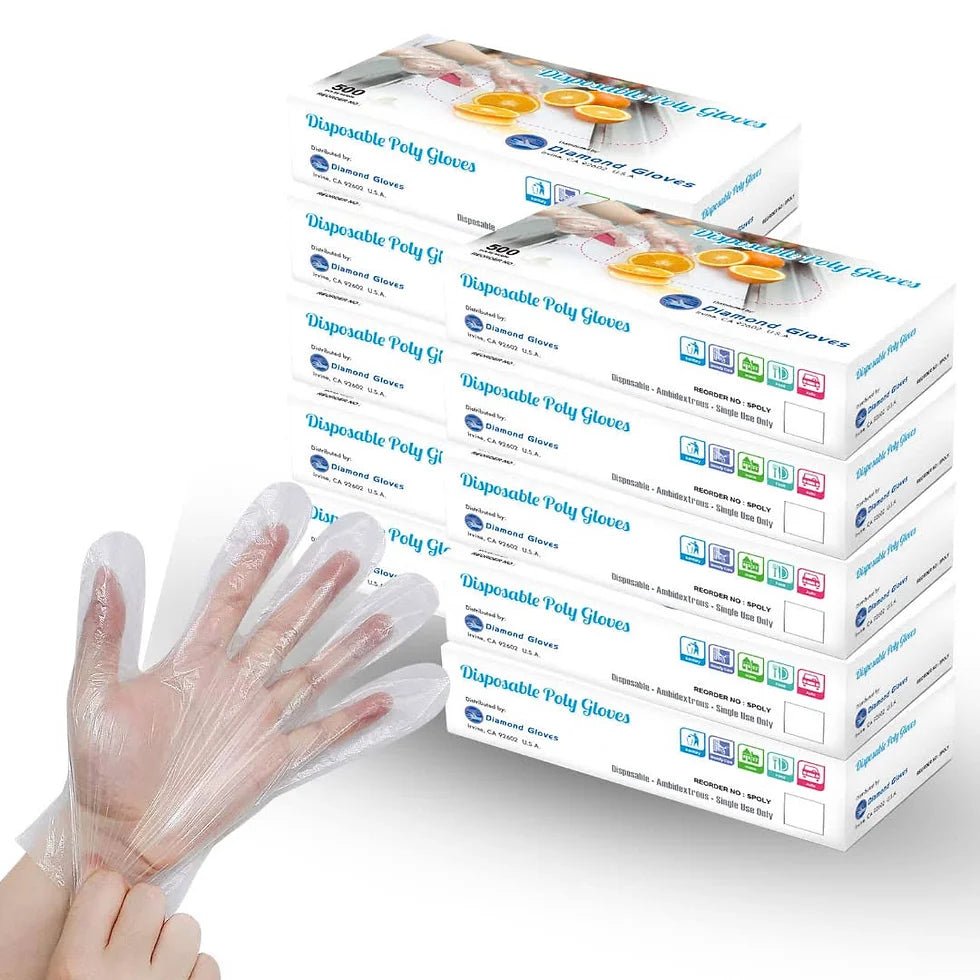
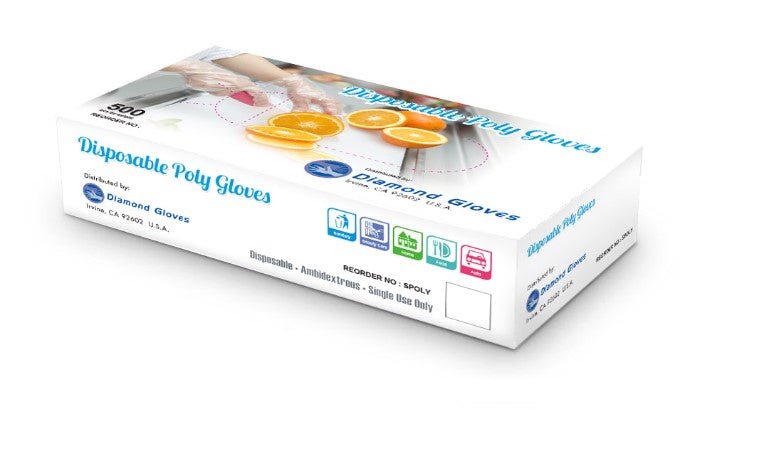
Nitrile gloves are the most widely used education gloves in US schools today. They are latex-free, which eliminates the risk of latex allergies in enclosed classrooms, and they offer reliable chemical resistance for science lab work. Vinyl gloves are a cost-effective option for lower-risk tasks like art class, general handling, and light-duty use where chemical exposure is not a factor. Poly and TPE gloves are the lightest-duty option, suited to non-chemical tasks like food handling in school cafeterias or basic classroom activities. Latex gloves offer strong tactile sensitivity and elasticity but carry an allergy risk that makes them unsuitable for general classroom deployment without screening students first.
In short, nitrile is the right default for most school science and health settings; vinyl or poly covers general-purpose and food-related classroom use where chemical resistance is not needed.
Choosing the Right Thickness for Your School Setting
Glove thickness, measured in mil (thousandths of an inch), directly affects how much protection a glove provides - and which school tasks it is suitable for. Matching mil to use case is the most important spec decision for education buyers.
- 3.5 mil: Suited for general classroom use, art rooms, and light-duty handling. Offers comfort and dexterity for tasks that do not involve chemical exposure.
- 4 mil: The standard for most school science labs. Provides a meaningful step up in puncture and tear resistance for dissection, general chemistry, and biology work.
- 5-6 mil: Recommended for chemistry labs involving stronger reagents, extended wet-lab sessions, or vocational programs where durability is critical. Our chemical gloves collection covers heavier-duty chemical handling needs.
One specification that matters as much as thickness is powder-free construction. Powdered gloves release starch particles when donned, which can contaminate lab samples - a critical issue in biology and chemistry classes - and trigger respiratory irritation in enclosed rooms. All nitrile and vinyl school gloves in this collection are powder-free.
For school nurse offices and first aid rooms, look for exam-grade gloves tested to ASTM D6319 and FDA 510(k) cleared. This standard confirms the gloves meet medical examination requirements and is the appropriate choice for any health or clinical contact in a school setting. For laboratory gloves used in research or university-level work, exam-grade nitrile is similarly recommended. For general classroom and non-clinical use, non-exam grade gloves perform equally well at a lower cost per case.
Featured Education Gloves - Cases of 1000
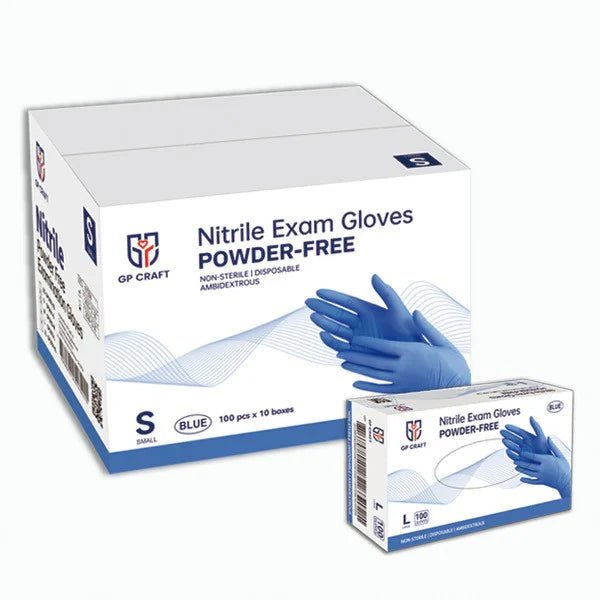
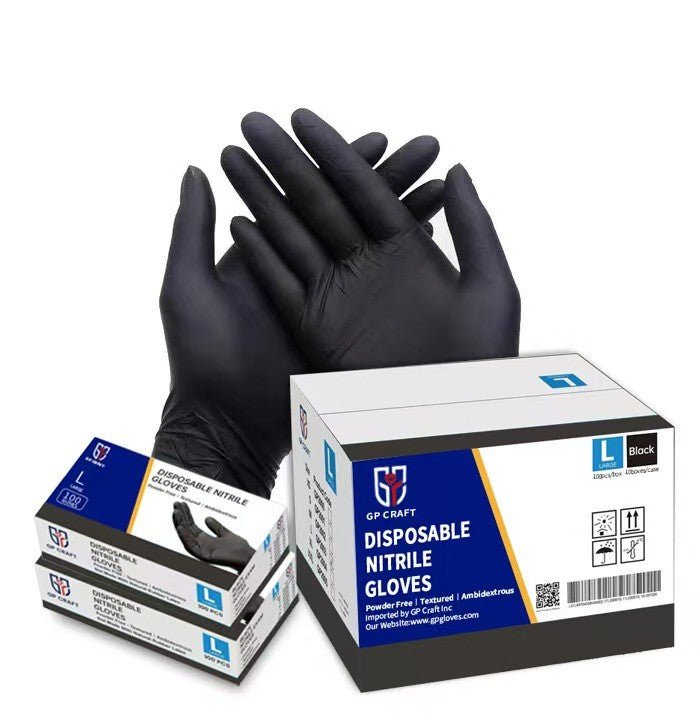
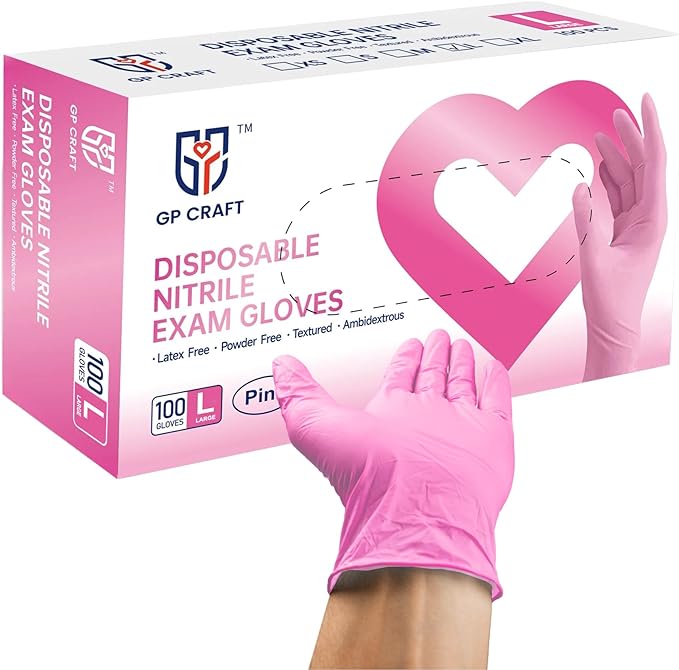
- GP Craft 3.5 mil Blue Nitrile Exam Gloves, Case of 1000 (GP32) - A lightweight, powder-free nitrile option well-suited to general classroom and art room use where comfort and dexterity matter most.
- GP Craft 4 mil Blue Nitrile Exam Gloves, Case of 1000 (GP40) - A dependable 4 mil exam-grade nitrile for standard science labs, biology, and anatomy classes.
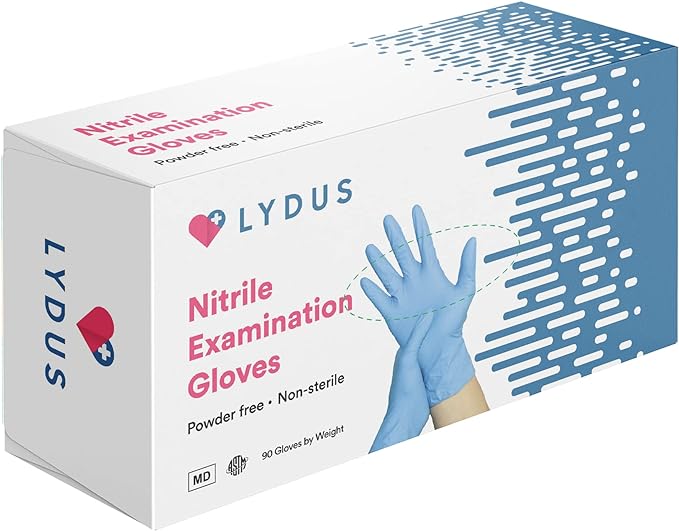
- Lydus 5 mil Blue Nitrile Examination Gloves, Case of 1000 (LBN5) - ASTM D6319 and FDA 510(k) cleared, this 5 mil exam-grade nitrile is built for school nurse rooms and chemistry labs requiring stronger protection.
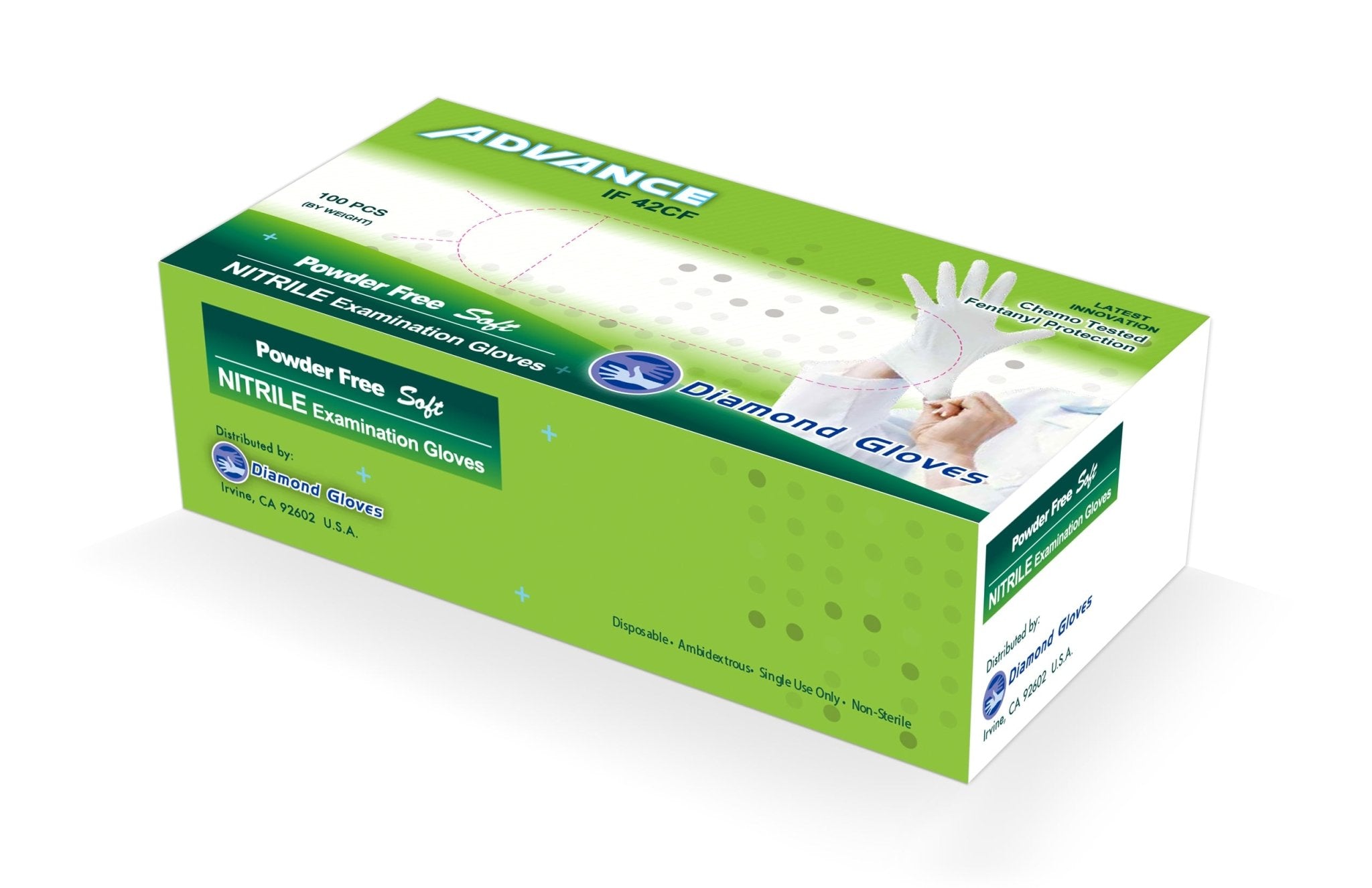
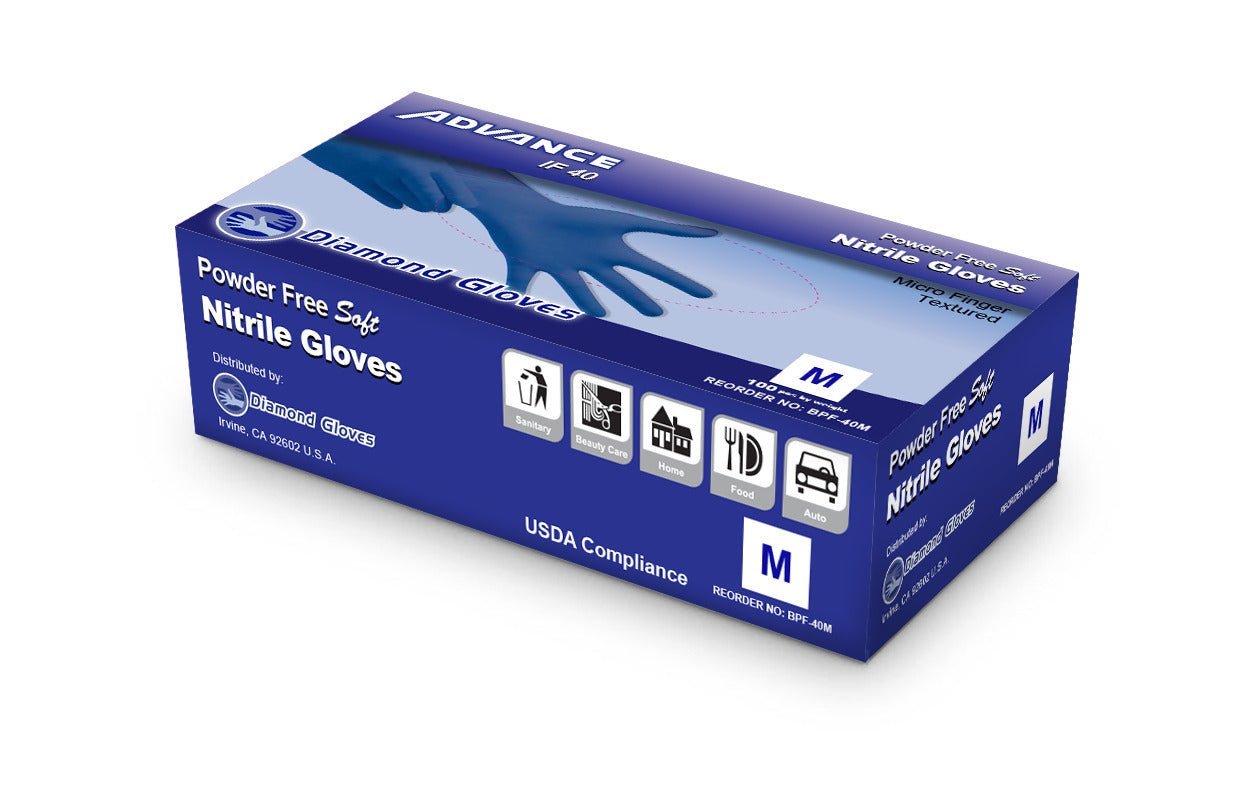
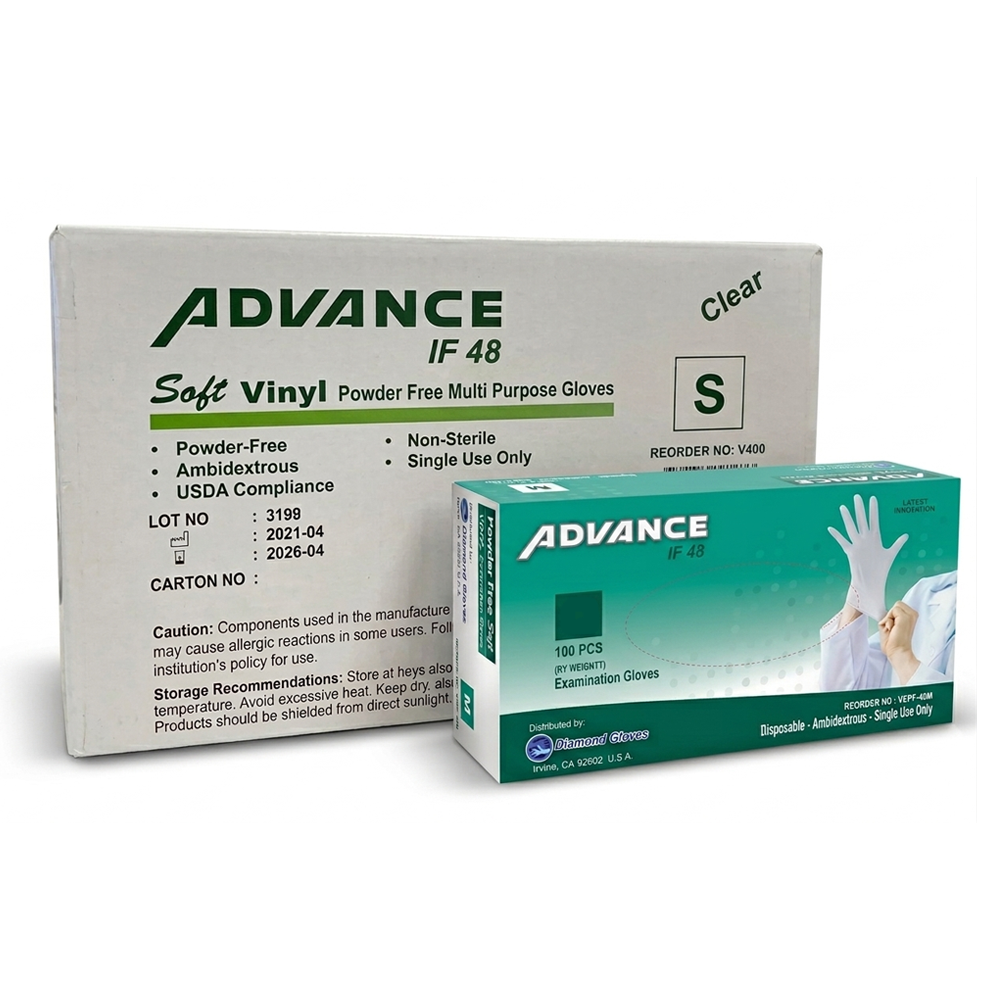
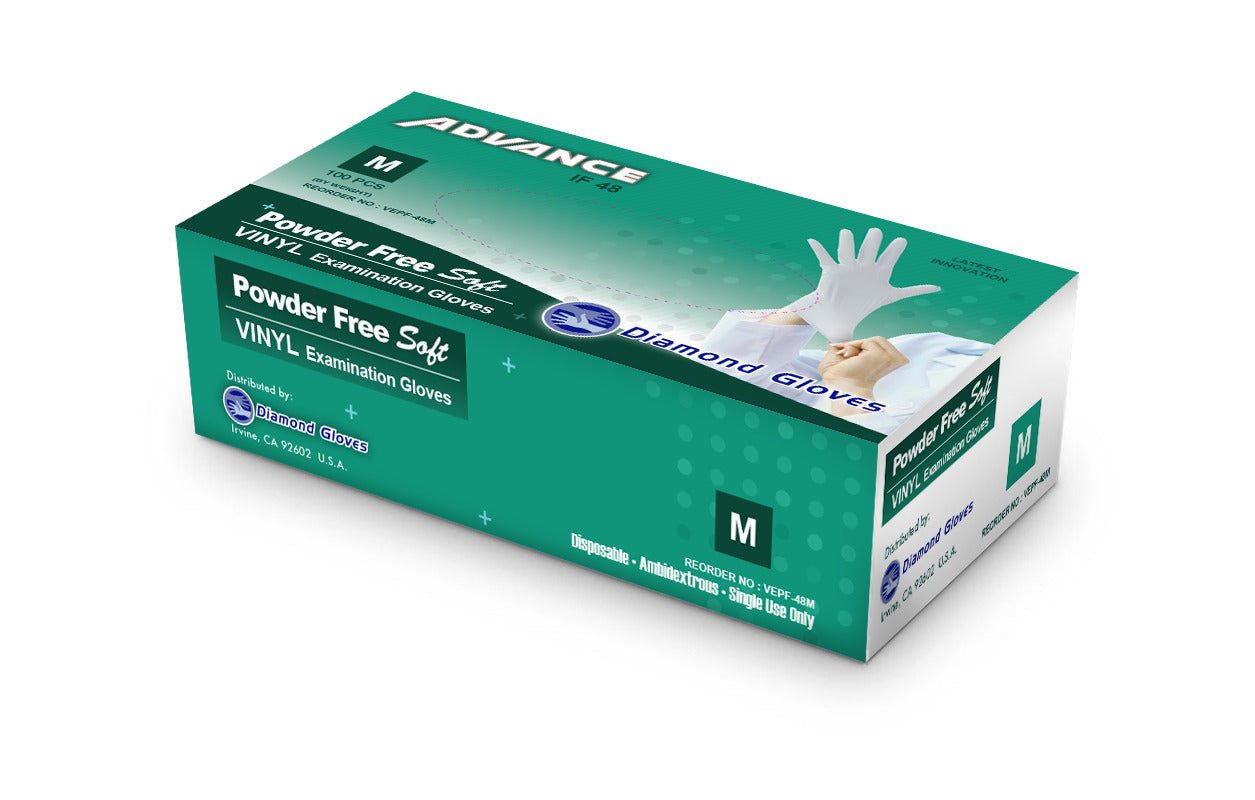
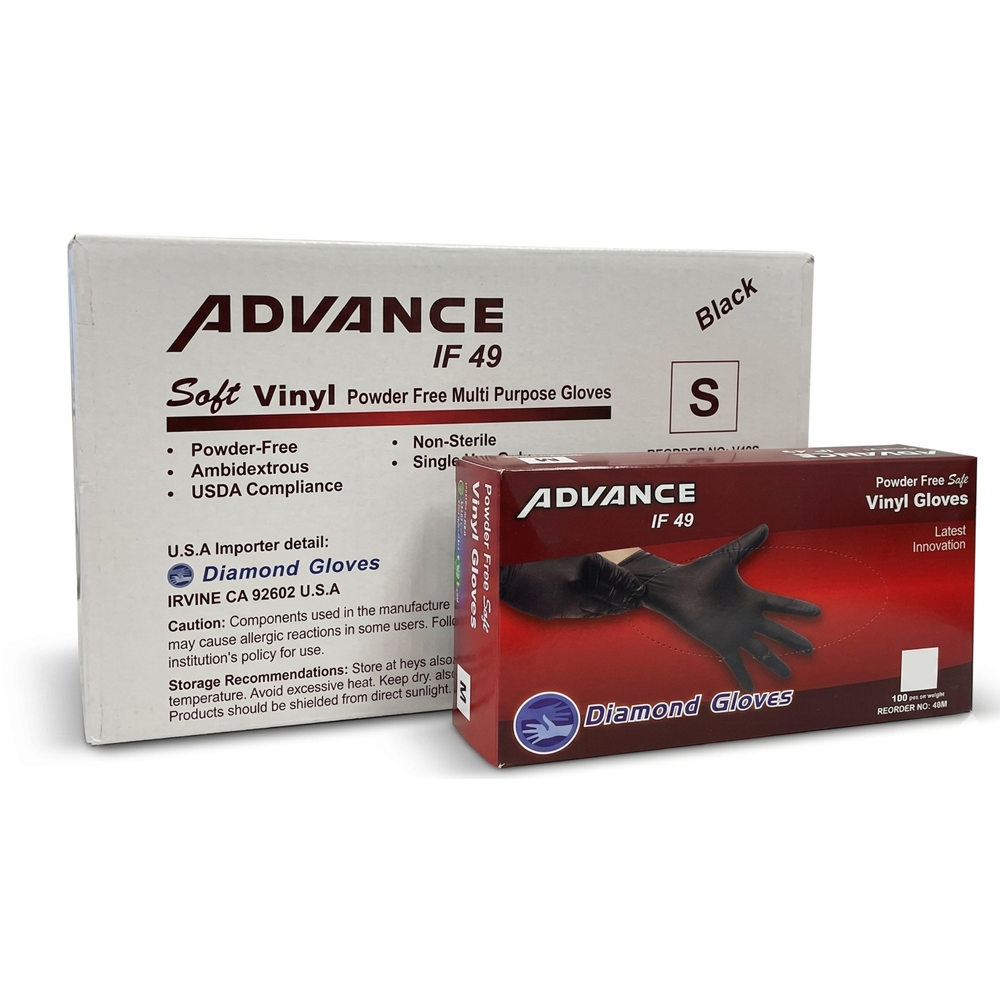
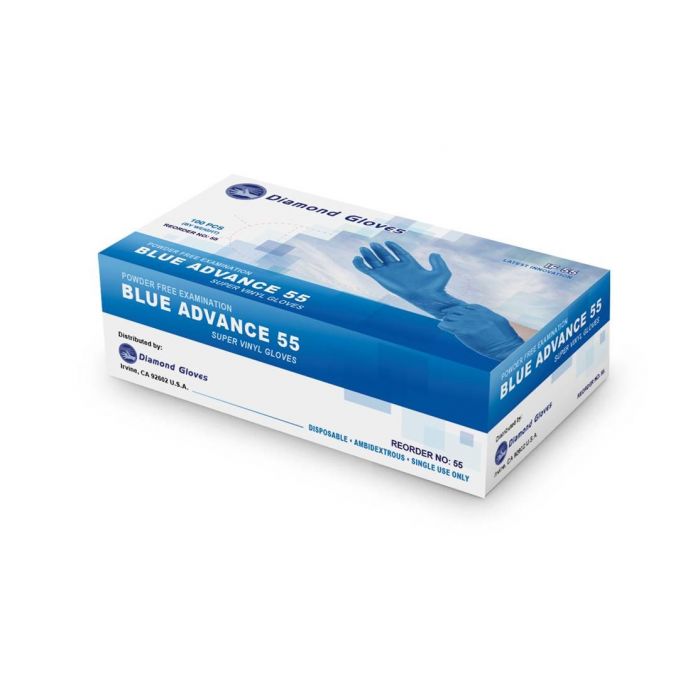
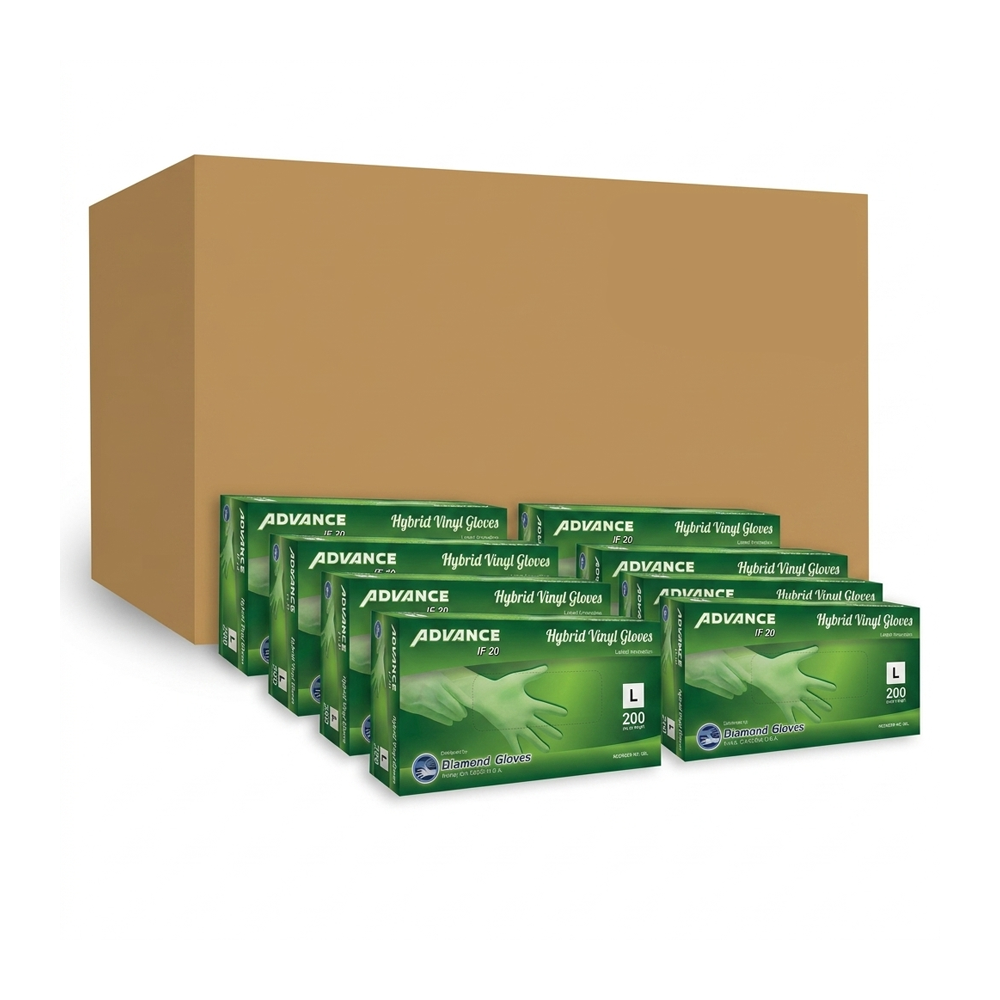
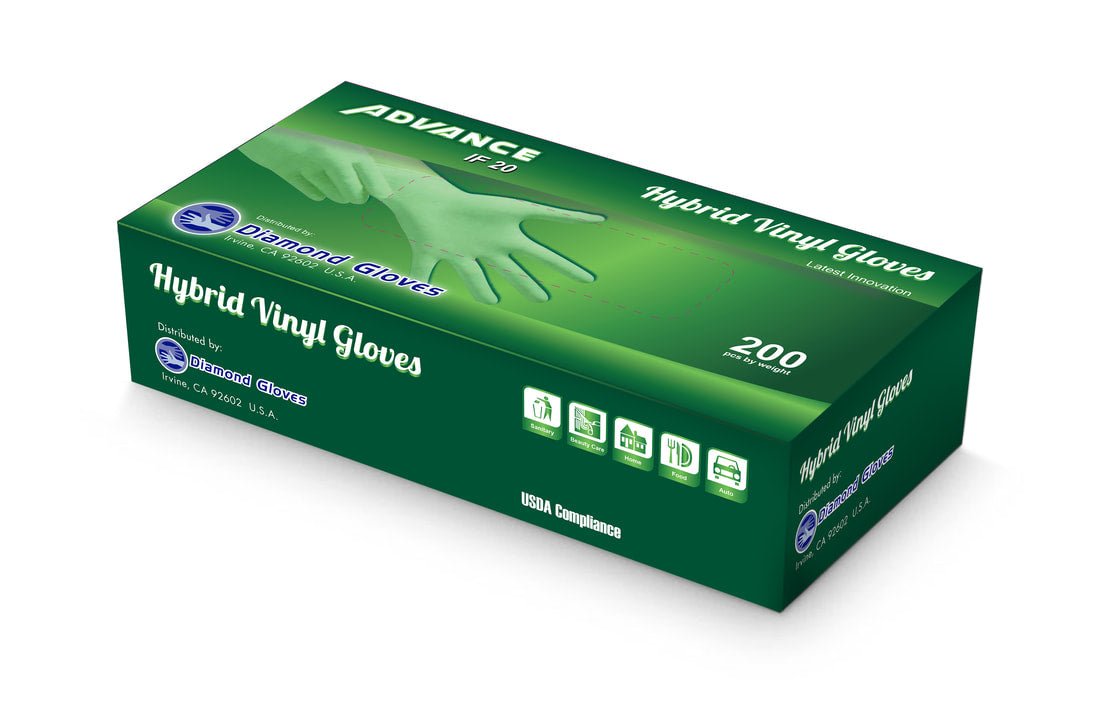
- Diamond Clear Vinyl Exam Powder-Free Gloves, Case of 1000 (IF48) - A clear, exam-grade vinyl glove for general school use where latex-free, powder-free compliance is needed at a budget-friendly per-case volume.
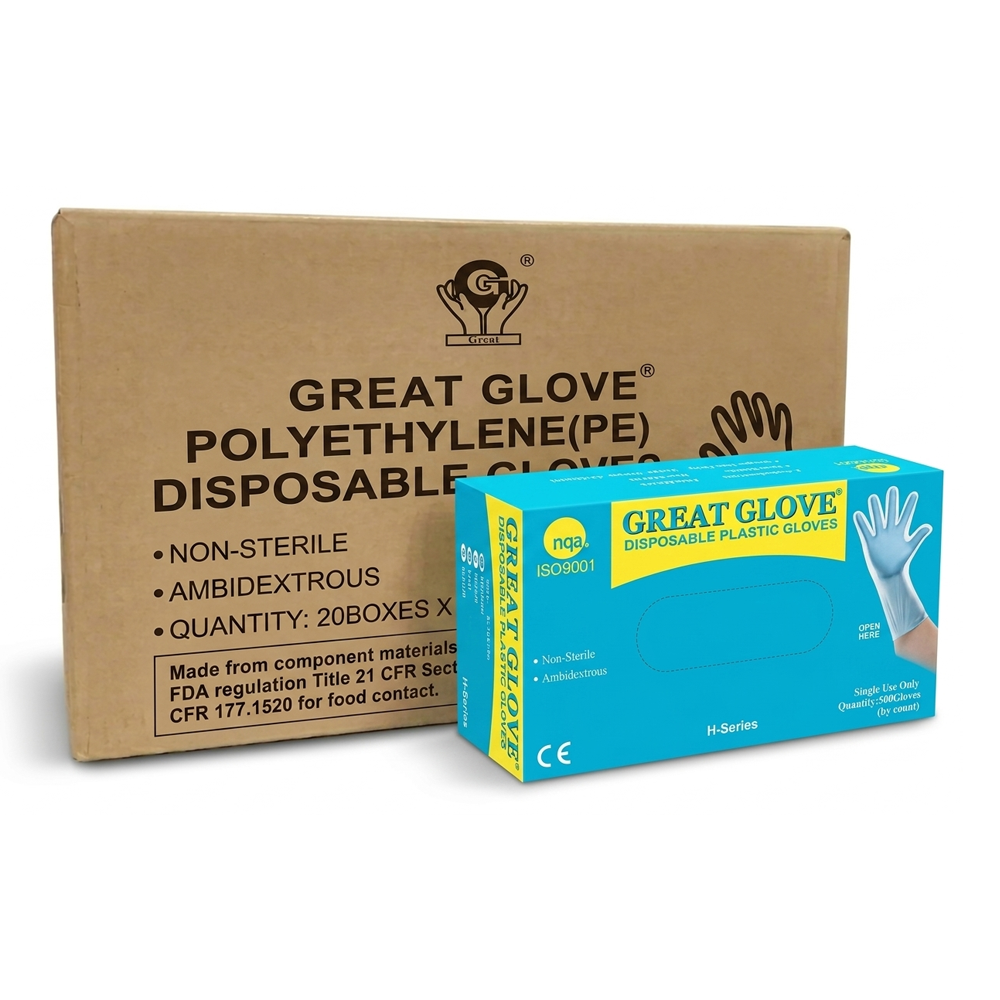
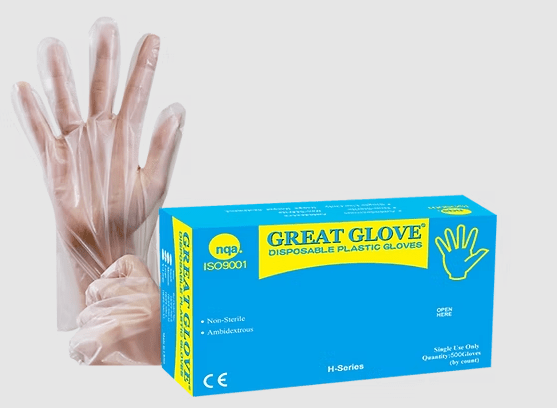
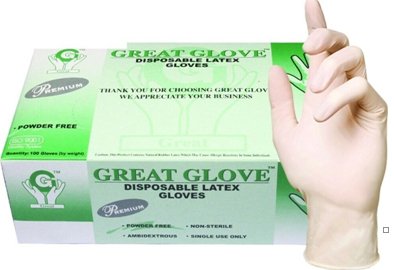
- Great Glove Clear Poly Gloves, Case of 10000 (HP500) - High-volume poly gloves for cafeteria and food handling programs where disposability and throughput are the priority.
- Great Glove Biodegradable Nitrile Gloves, Case of 1000 (BIO-SNM5) - A powder-free nitrile option for schools with sustainability mandates or environmental science programs that prioritize reduced environmental impact.
Why Buy Education Gloves at AP Medical Supply
AP Medical Supply supplies schools, academies, and institutions across the US directly from wholesale stock, with no middleman markup on case orders. Our education gloves range from lightweight 2.5 mil poly to heavy-duty 6 mil nitrile, so a single supplier covers every department - art rooms, science labs, health offices, and cafeterias. Orders over $200 ship free. Not sure which glove fits your program? Use our Glove Match Tool or request a free sample before committing to a case order.
Are nitrile gloves the right choice for school science labs?
Yes. Nitrile is the standard recommendation for science labs in school settings. It is latex-free, eliminating allergy risk in enclosed classrooms, and provides reliable resistance to the chemicals commonly used in high school and academy lab programs.
What is the difference between exam-grade and non-exam-grade school gloves?
Exam-grade gloves are tested to ASTM D6319 and cleared by the FDA for medical examination use. For school nurse offices and health rooms where clinical contact occurs, exam-grade is the appropriate standard. For general classroom and art room tasks, non-exam-grade gloves provide the same hand protection at a lower cost per case.
Are the gloves in this collection powder-free?
All nitrile and vinyl gloves in this collection are powder-free. Powder-free construction is the right choice for school environments because starch powder can contaminate lab samples and cause respiratory irritation in enclosed classrooms.
How many gloves come in a case?
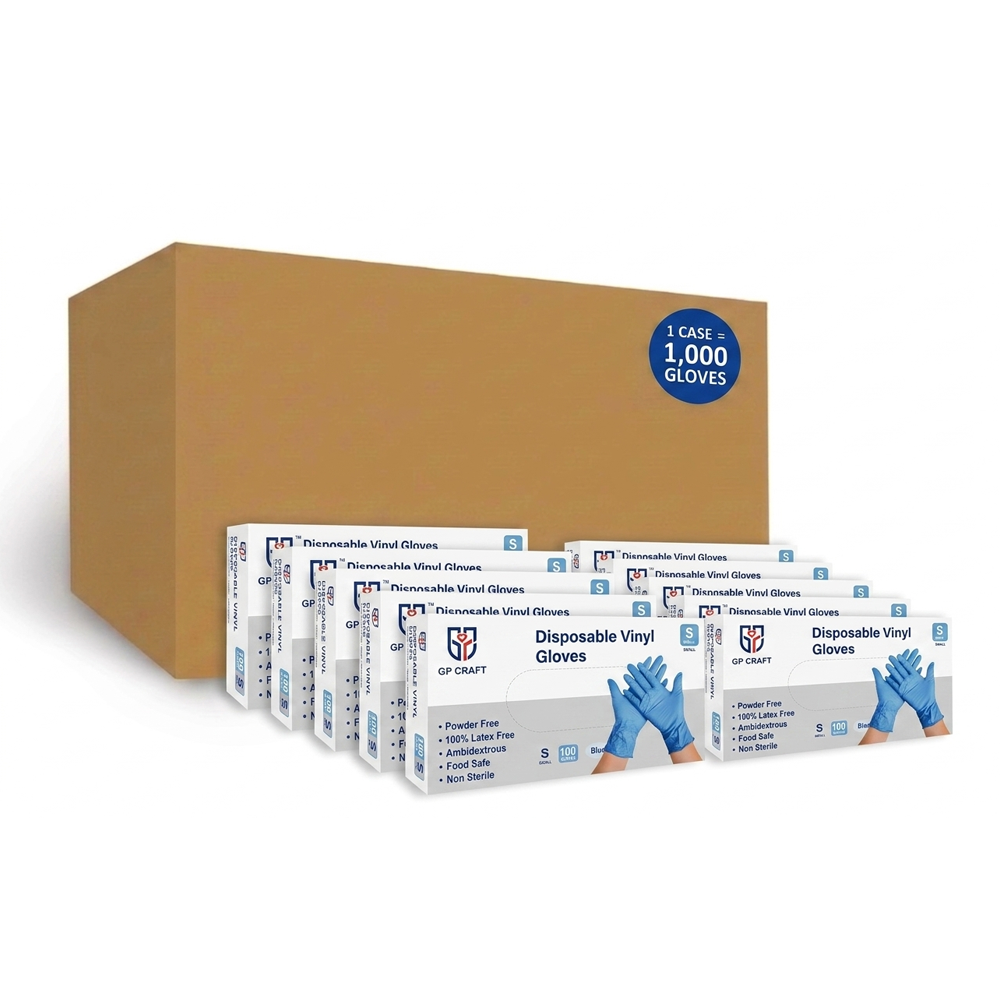
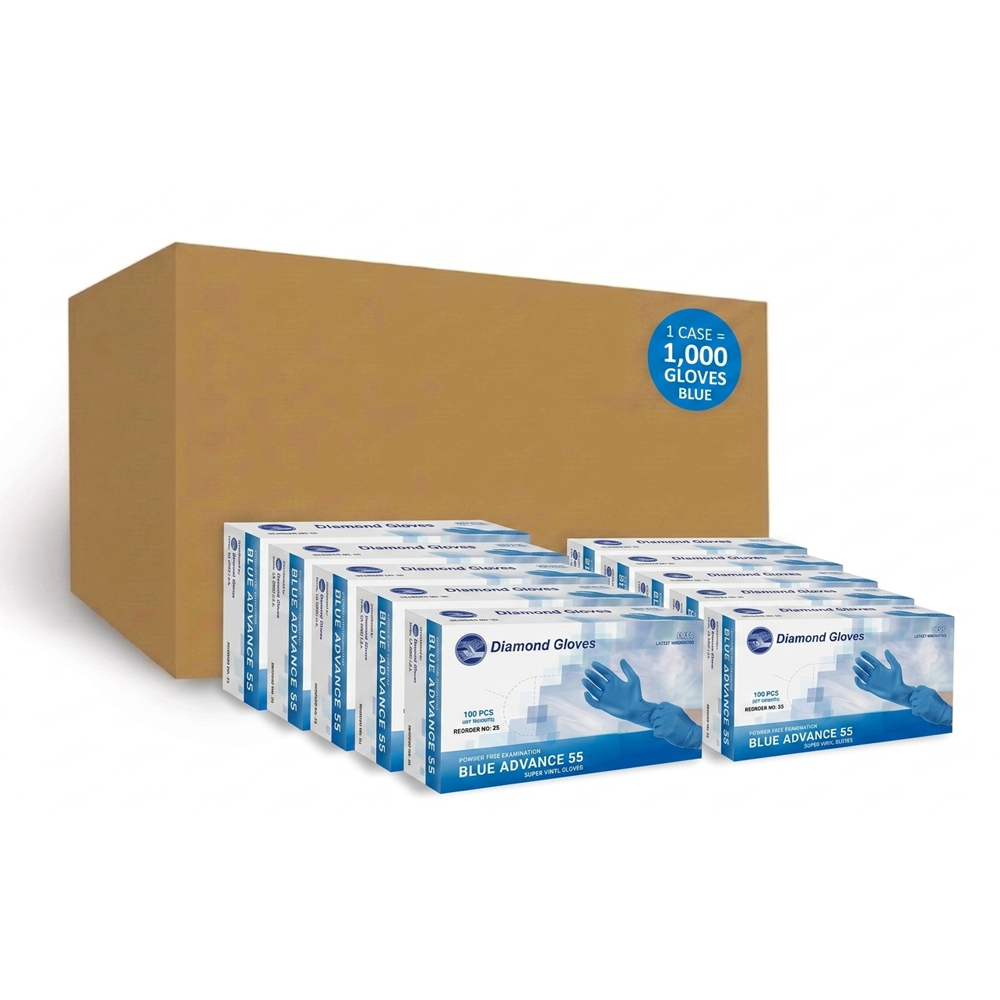
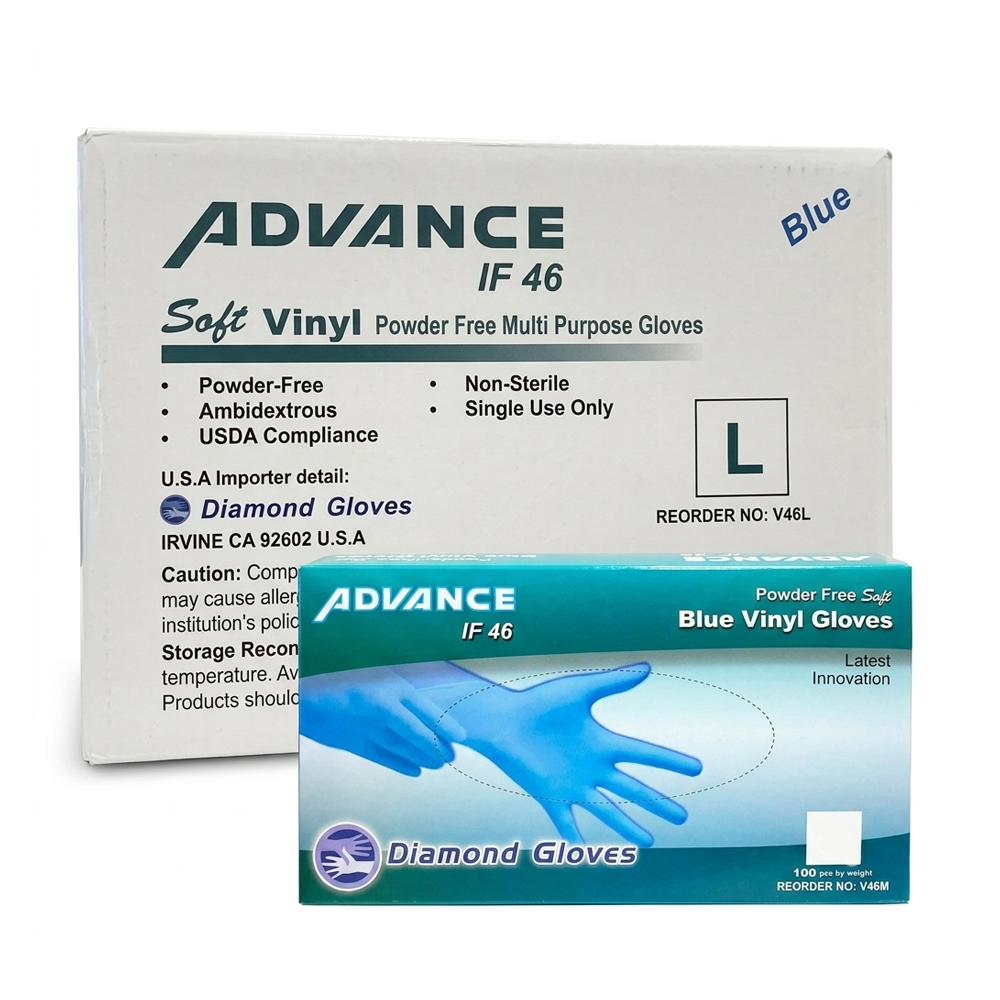
Most cases in this collection contain 1000 gloves across 10 boxes of 100. The Great Glove Clear Poly option is available in a case of 10,000. Case quantity is shown on each product page.
Can we request a bulk quote or purchase order for our school district?
Yes. AP Medical Supply accepts quote requests and purchase orders for schools and districts. Use the Request a Quote page on the site, or contact the team directly by phone or email.
Related Blogs
Looking to go deeper on glove selection and PPE for your school or institution? These guides from the AP Medical Supply blog cover the key decisions in plain terms.
Our Ultimate Guide to Disposable Gloves walks through every glove material, thickness, and use case in detail - a practical reference for any procurement team evaluating options across multiple departments.
The Exam Gloves vs. General-Use Gloves guide explains exactly when exam-grade certification matters and when standard disposable gloves are the right call, which is directly relevant for schools balancing nurse room needs with general classroom budgets.
For institutions reviewing their sustainability practices, Can Disposable Gloves Be Recycled? covers biodegradable options, recycling programs, and how to reduce PPE waste without compromising on protection.