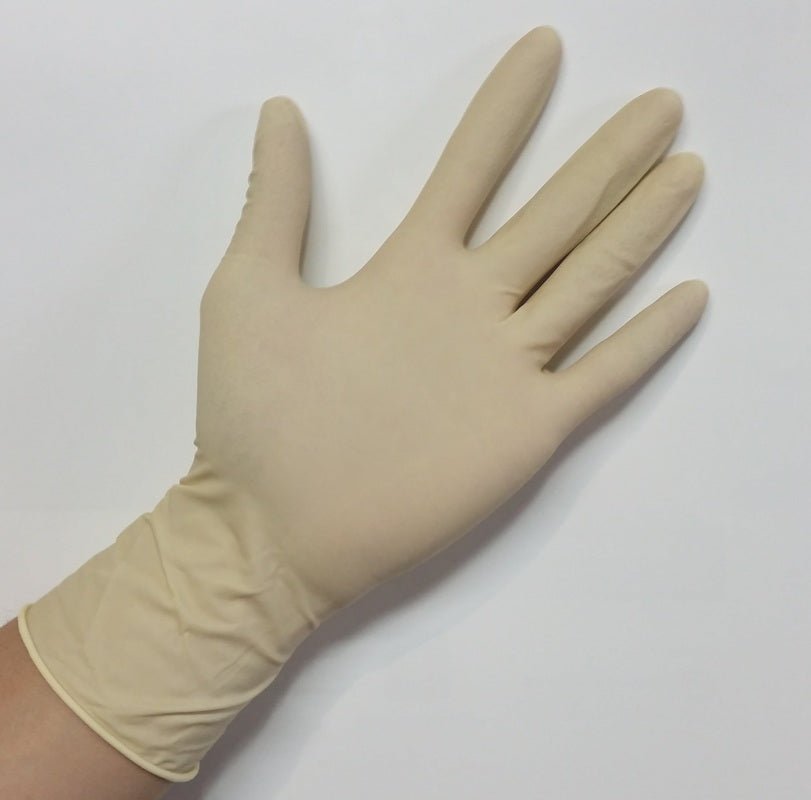
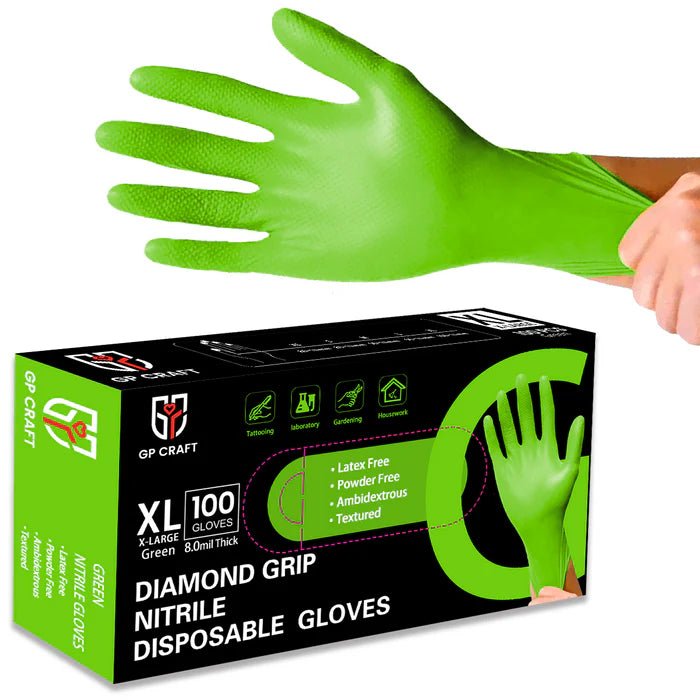
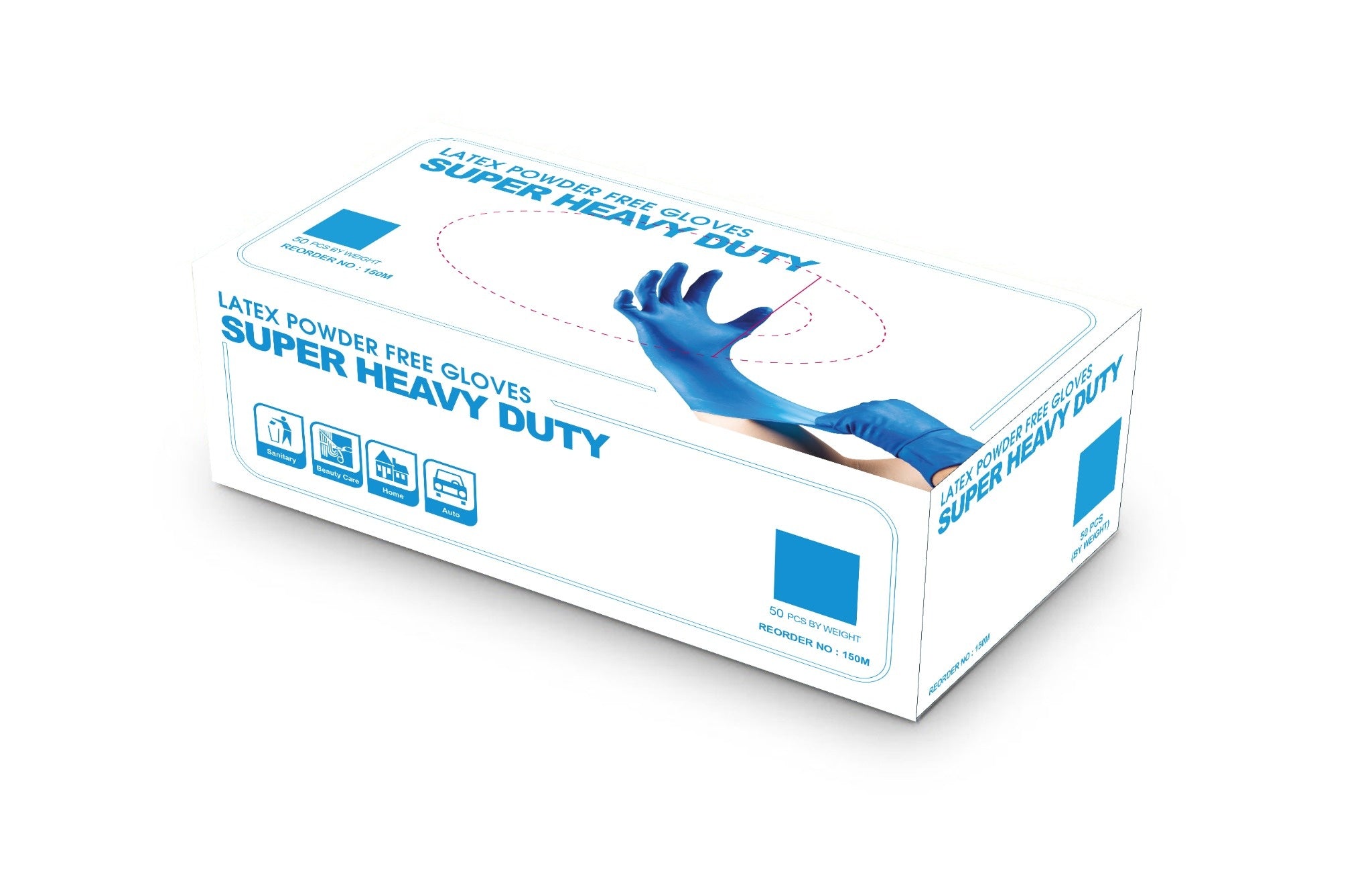
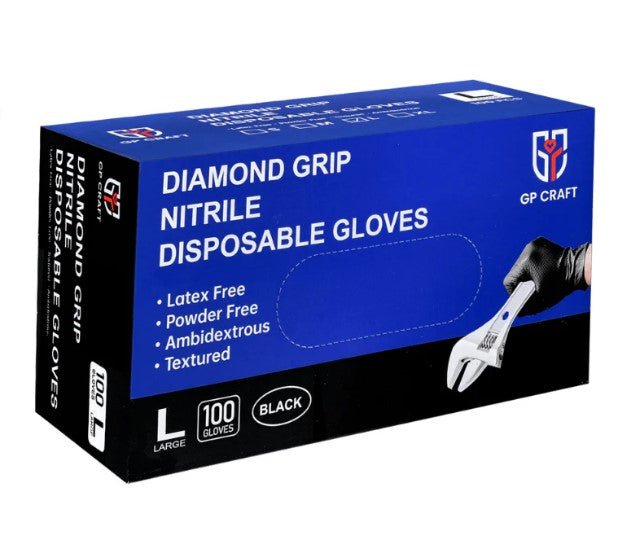
Automotive gloves are one of the highest-consumption PPE items in any repair shop, dealership service bay, or fleet maintenance operation. Whether your technicians are doing quick oil changes or tearing down an engine, the right disposable glove protects hands, maintains grip on oily parts, and keeps the bay moving. AP Medical Supply stocks automotive gloves in nitrile and latex, from 5 mil light-duty options to 15 mil extended-cuff heavy-duty gloves, all sold by the case for wholesale value.
Browse Automotive Gloves by Spec
Choosing the right tier starts with thickness. Here is a breakdown of what each tier covers and the featured options in each.
5 mil - Light-duty and all-day wear
Five-mil nitrile gloves offer the best dexterity of any thickness in the shop. They are the right call for tasks that require fine motor control - small parts handling, electrical inspection, interior detailing, and general shop support where heavy chemical exposure is not the main concern.
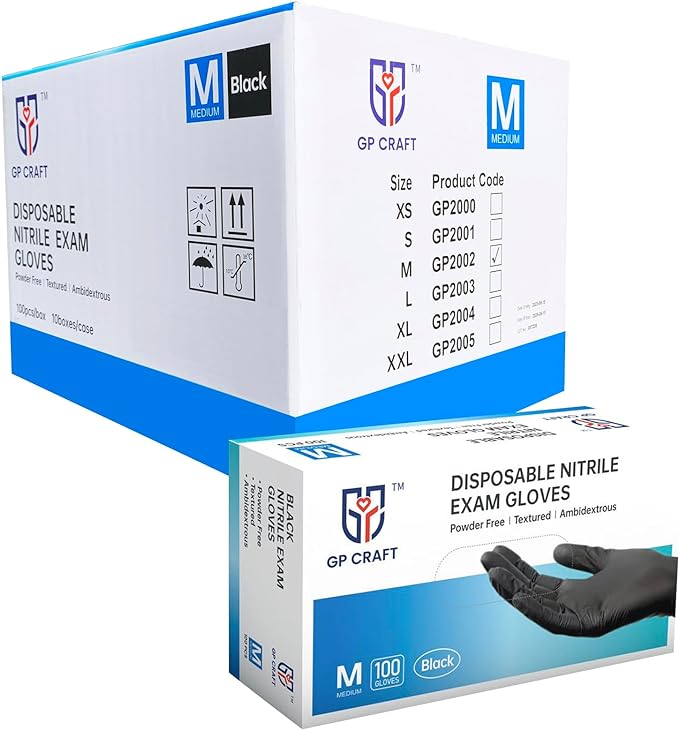
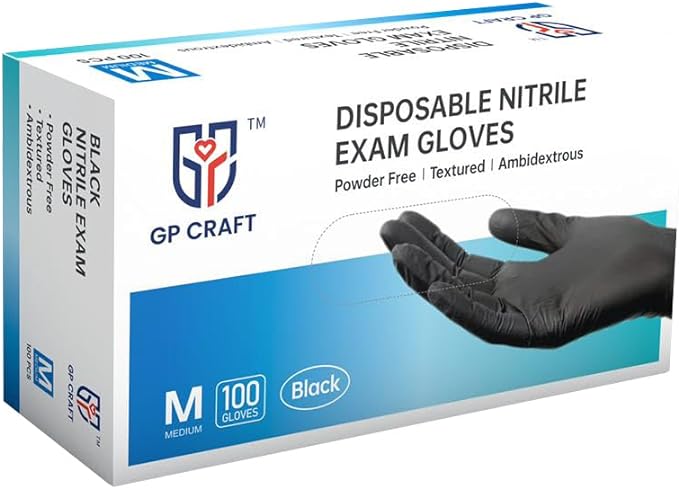
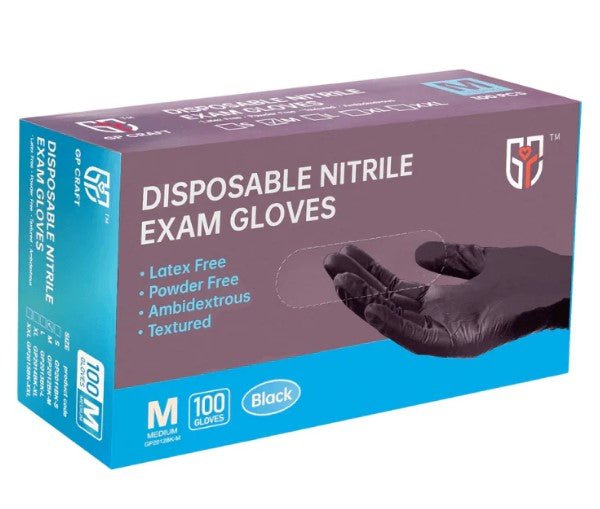
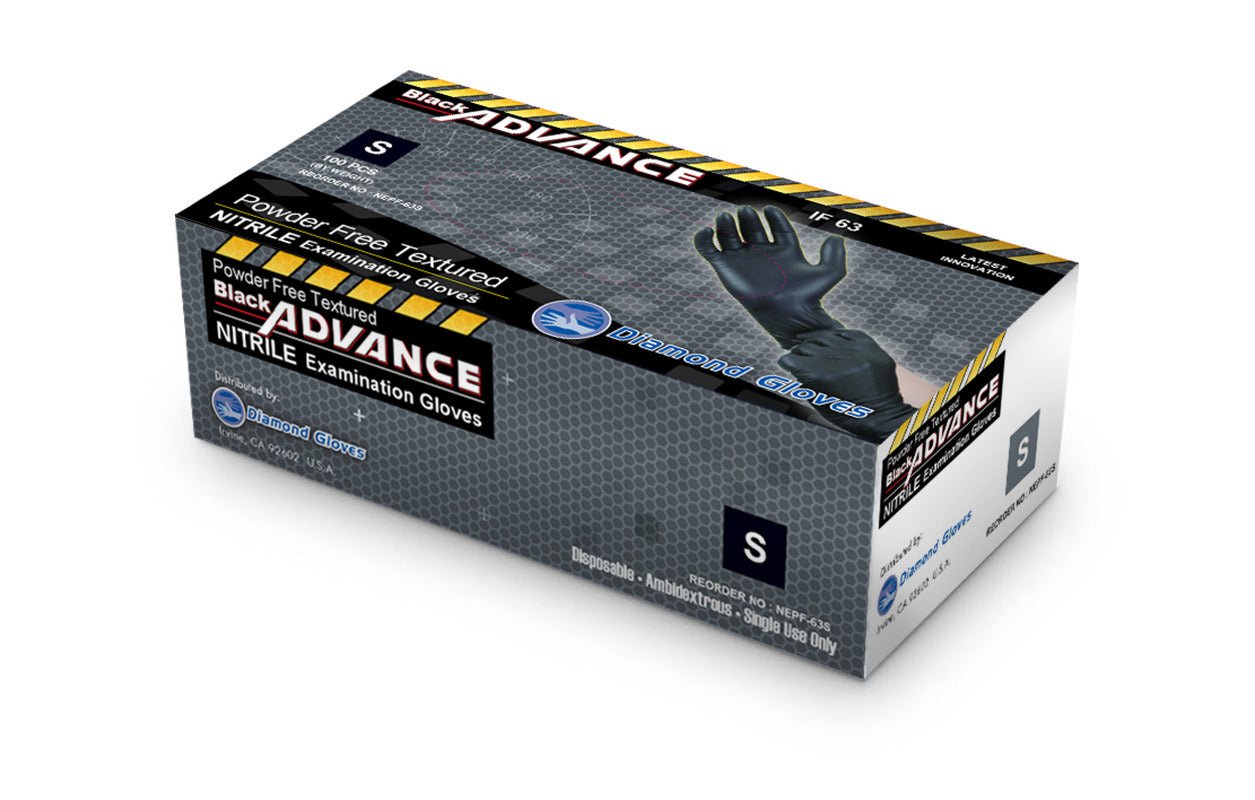
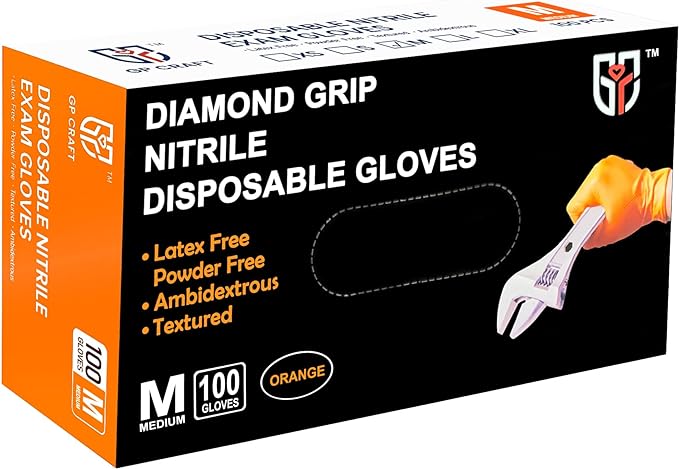
- GP Craft 5 mil Black Nitrile Exam Gloves, Case of 1000 (GP50) - powder-free, exam-grade, black finish that conceals grease during light service work
- Alpha Force 5 mil Black Nitrile Heavy Duty Gloves, Case of 1000 (AF5B) - chemo tested, built for higher-risk contact, a step up in barrier reliability for the same slim profile
6 mil - Heavy-duty shop standard
Six-mil nitrile is where most busy automotive shops land for everyday use. The added thickness delivers meaningful puncture resistance without the stiffness of thicker gloves, making it the practical choice for oil changes, brake fluid handling, and sustained mechanical work.
- GP Craft 6 mil Black Nitrile Exam Gloves, Case of 1000 (GP63) - powder-free exam-grade nitrile for consistent all-day shop use
- CARE 6 mil Black Nitrile Examination Gloves, Case of 1000 (CBK9) - another exam-grade 6 mil option with reliable barrier protection for demanding bay environments
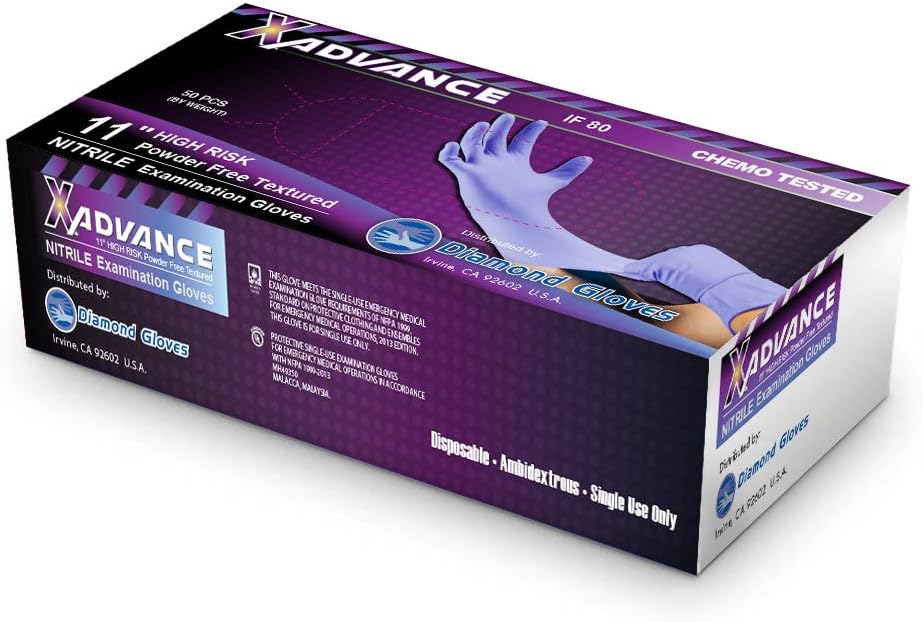
- First Glove Volt 6 mil Blue Nitrile Exam Gloves, Case of 1000 - powder-free, a cleaner blue color for inspection and detailing workflows
8 mil - Industrial and extended-cuff
Eight-mil gloves are the heavy-duty tier: thicker walls, more aggressive diamond texture, and in several options a 12-inch extended cuff that protects the wrist and lower forearm when reaching into engine bays or working under the car.
10 mil and above - Maximum protection
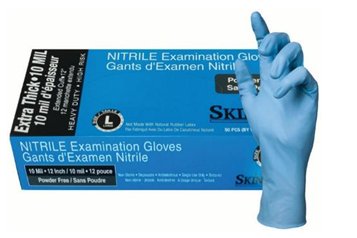
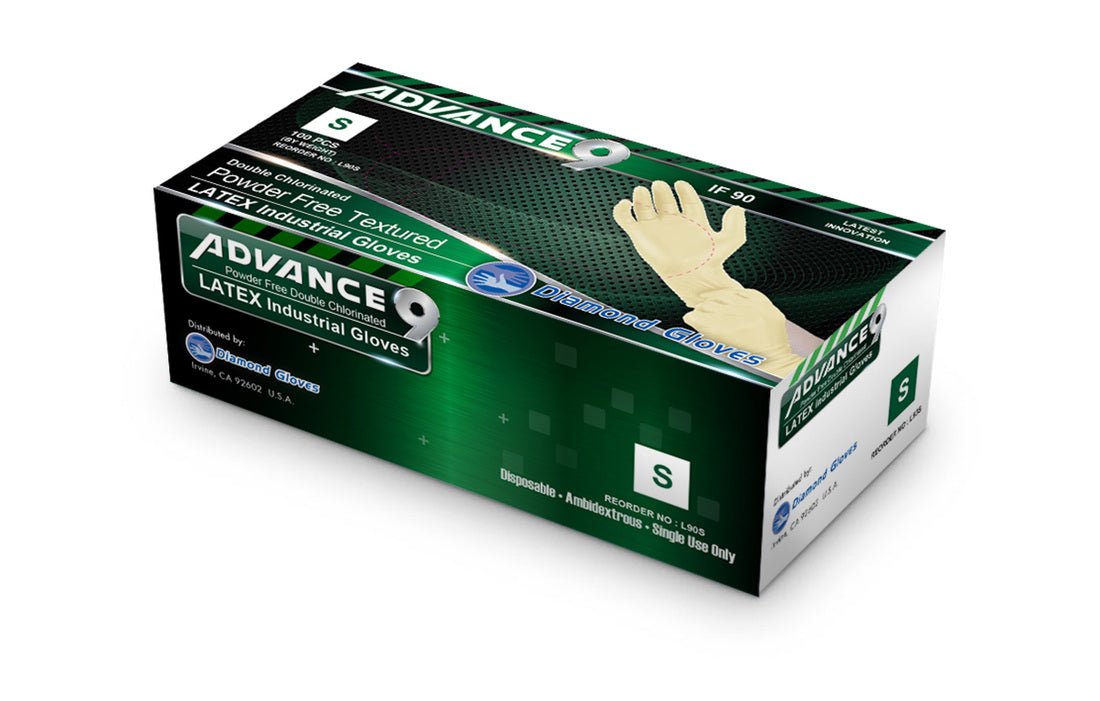
For jobs involving prolonged chemical contact, harsh solvents, or work where glove integrity is non-negotiable, the 10 mil and up range delivers the thickest barrier in the collection. Options include the SkinTx 10 mil Blue Nitrile with 12-inch long cuff (Case of 500), the Great Glove 14 mil Latex (Case of 500), and the Diamond 15 mil Heavy Duty Blue Latex (Case of 500) for maximum puncture resistance.
In short, most shops run a 6 mil nitrile as their everyday glove and keep an 8 mil option available for heavier jobs. Add a 5 mil for precision tasks and a 10 mil or above for chemical-intensive work if your operation needs it.
How to Choose the Right Automotive Gloves for Your Shop
Not every glove works for every task in the bay. Matching spec to job prevents both under-protection and unnecessary cost. Here are the four selection axes that matter most.
Thickness matched to task
The mil rating is the most direct indicator of protection level and dexterity trade-off.
- 5 mil: Maximum dexterity. Best for interior detailing, small parts assembly, electrical work, and inspection tasks where tactile sensitivity matters more than puncture resistance.
- 6 mil: The shop standard. Handles oil and fluid service, brake work, and most daily mechanical tasks without fatiguing the hand. This is the tier most automotive buyers purchase in the highest volume.
- 8 mil: Heavy-duty and extended wear. Choose this when jobs involve sustained contact with harsh chemicals, sharp edges, or prolonged under-hood access. The extended 12-inch cuff options in this tier protect the lower forearm - a meaningful advantage when working in tight engine bays.
- 10 mil and above: Reserved for the most demanding chemical and industrial applications - transmission fluid flushing, solvent exposure, or jobs where a compromised glove creates a direct safety risk.
In short, if you are unsure, 6 mil covers 80% of shop work and is the lowest-risk default.
Diamond texture vs. flat texture - why it matters on oily hands
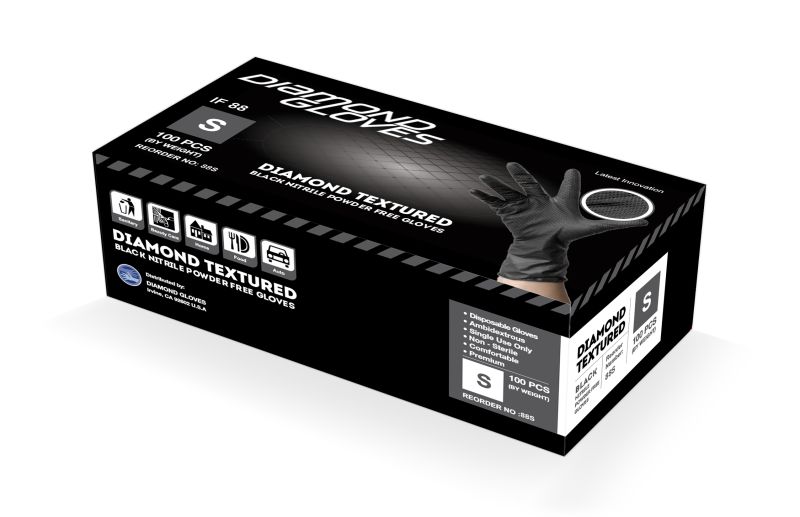
Many suppliers list "textured grip" as a feature without explaining the functional difference. A flat micro-textured surface grips well when dry but loses effectiveness once the palm is wet with oil or grease. A raised diamond texture works differently - the pattern channels fluid away from the contact surface, so the high points of the diamond maintain direct contact with the part even when the glove is already saturated. For automotive work, where hands are regularly in contact with oils and lubricants, diamond-textured automotive nitrile gloves deliver more reliable grip under real working conditions. The 8 mil industrial options in this collection feature full-surface diamond texture for exactly this reason.
Exam-grade vs. industrial-grade in an automotive context
This distinction matters more than most buyers realize. Exam-grade gloves are manufactured and tested to AQL 1.5 - a defect-rate standard that limits the number of acceptable pinholes or failures per batch. Industrial-grade gloves use a looser AQL standard, which means greater batch-to-batch variability in barrier consistency. For most automotive tasks - oil changes, fluid service, parts handling - exam-grade at 5 or 6 mil is the smarter bulk purchase because you get tighter quality control at a competitive case price. Several options in this collection, including the GP Craft and CARE lines, are exam-grade nitrile. If your operation also handles aggressive solvents, our chemical gloves range includes industrial-grade 8 mil options designed and specced for that level of exposure.
Color as a workflow management tool
Glove color is often treated as a preference. In a well-run shop, it is a process decision.
- Black: Conceals grease and oil during service work, projecting a clean professional appearance. The trade-off is that contamination can be harder to spot on a black glove during quality checks or multi-step jobs.
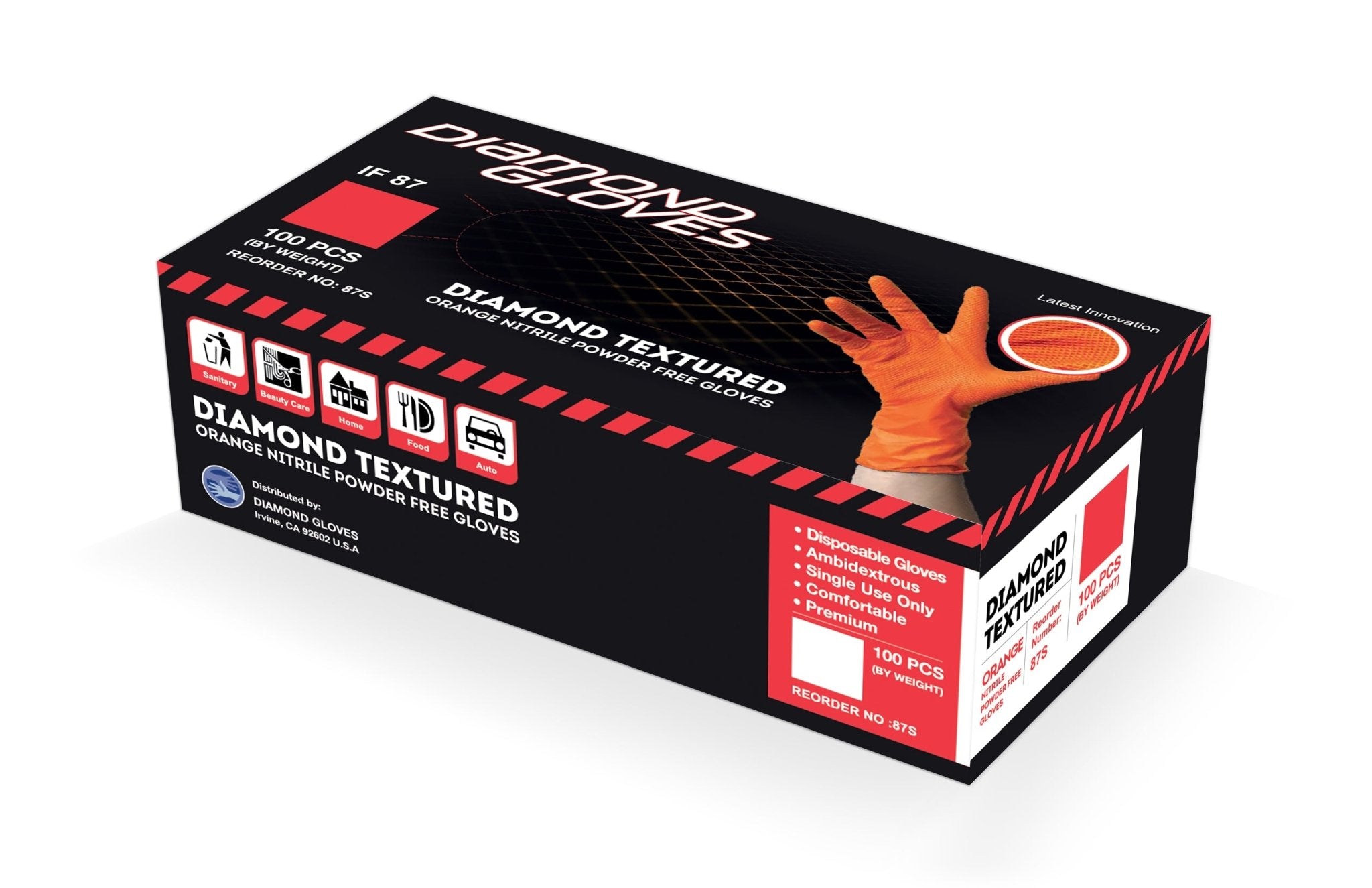
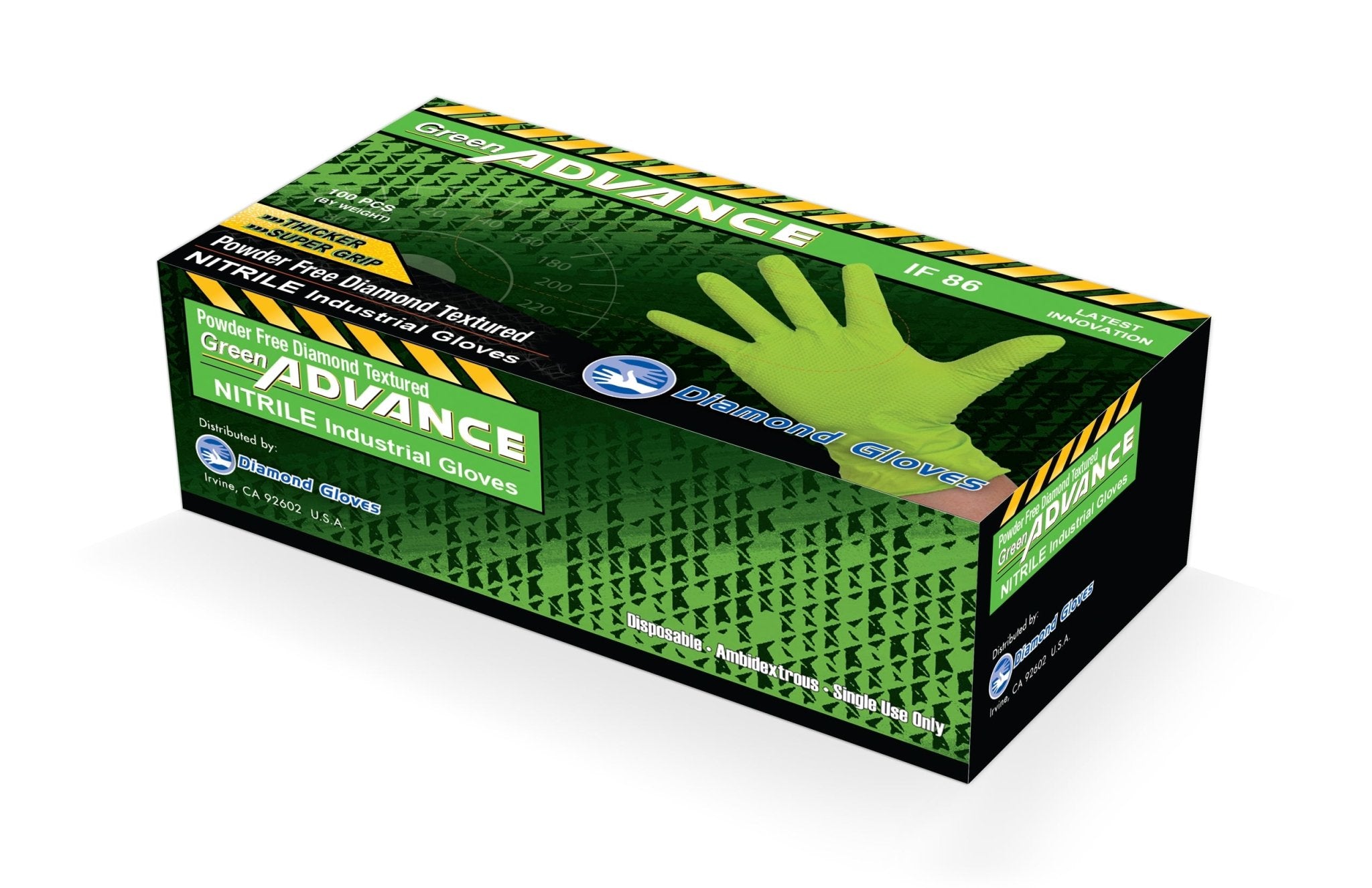
- Orange and green: High-visibility colors for safety-critical environments, busy multi-bay shops, or any operation where glove condition needs to be visible at a distance. Useful for fleet maintenance and heavy industrial settings.
- Blue: Signals a cleaner task - inspection, customer-facing detailing, or any workflow where the glove itself communicates care. Also practical for operations that run separate glove colors for different task categories to reduce cross-contamination risk.
Shops that stock two colors - typically black for heavy mechanical work and a high-visibility color for shop-floor safety roles - find that color-coding reduces the chance of a technician reaching for the wrong glove for the job. Operations that also need gloves for manufacturing or industrial maintenance will find the same color-coding logic carries over cleanly across facilities.
Why Buy Automotive Gloves at AP Medical Supply
AP Medical Supply supplies automotive gloves disposable by the case, with wholesale pricing across a broad range of brands, thicknesses, and colors - so shops can standardize on one supplier rather than splitting orders. Orders over $200 ship free, keeping restocking costs predictable. Our team is available by phone or email to help match the right glove spec to your operation, whether you run a single-bay shop or a multi-location service group.
Frequently Asked Questions
What are the best automotive gloves for mechanics?
Nitrile gloves in 6 to 8 mil thickness are the standard choice for mechanics. They resist oil, grease, and most automotive fluids, and they hold up through long shifts without the allergic risk that latex carries for some users.
Are automotive gloves disposable or reusable?
The gloves in this collection are single-use disposable gloves. Disposable is preferred in shop environments because it eliminates cross-contamination between jobs and removes the hygiene risk of reusing a glove that has already absorbed chemicals.
What is the difference between 5 mil and 8 mil automotive gloves?
Five-mil gloves prioritize dexterity and tactile sensitivity, making them better for precision tasks. Eight-mil gloves provide a thicker barrier and greater puncture resistance for heavy mechanical work. Most shops use both - 5 or 6 mil for everyday service and 8 mil for more demanding jobs.
Do nitrile gloves protect against brake fluid and automotive chemicals?
Nitrile offers good resistance to petroleum-based fluids, oils, and many common automotive chemicals. For aggressive solvents or prolonged chemical contact, move to a higher mil thickness and check individual product specifications. Latex options in this collection provide different chemical resistance profiles suited to specific fluid types.
Why do automotive shops prefer black nitrile gloves?
Black nitrile gloves conceal grease and oil stains, keeping technicians looking professional through a full shift. Some shops pair black gloves for heavy work with a high-visibility color such as orange or green for safety and detailing roles.
Can I buy automotive gloves by the case for my shop?
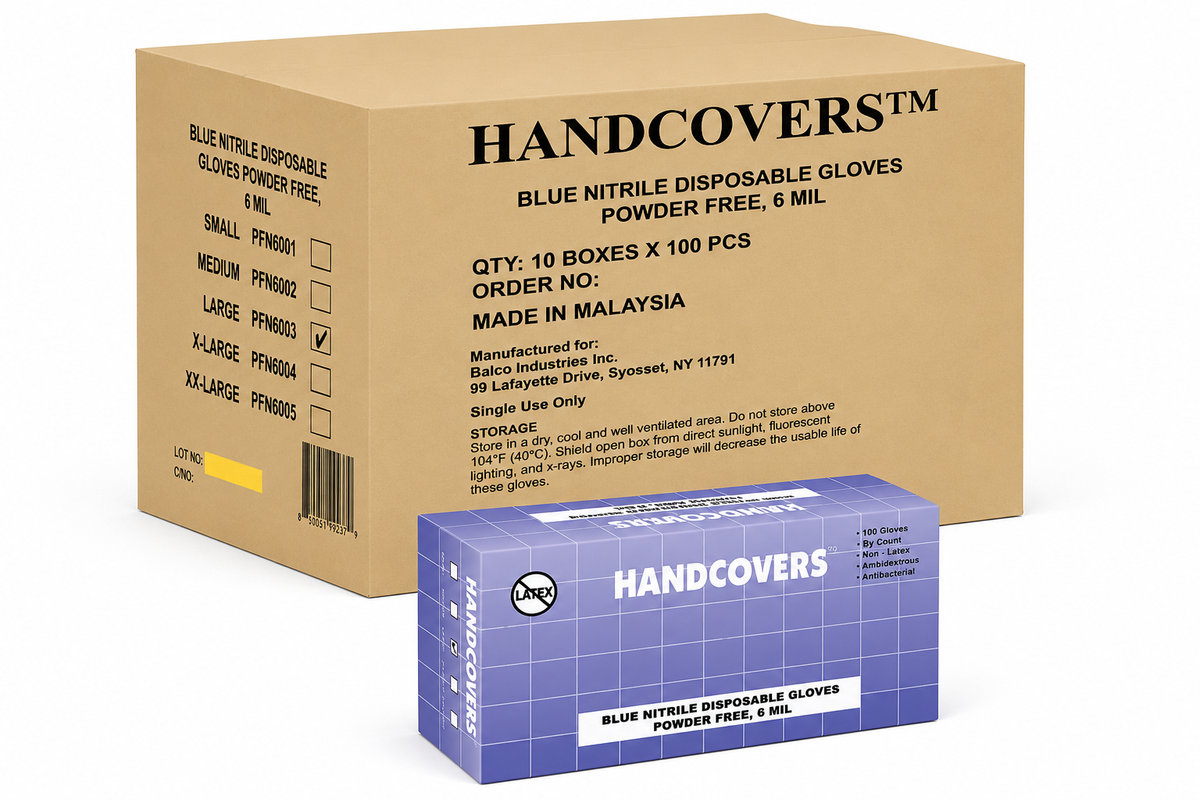
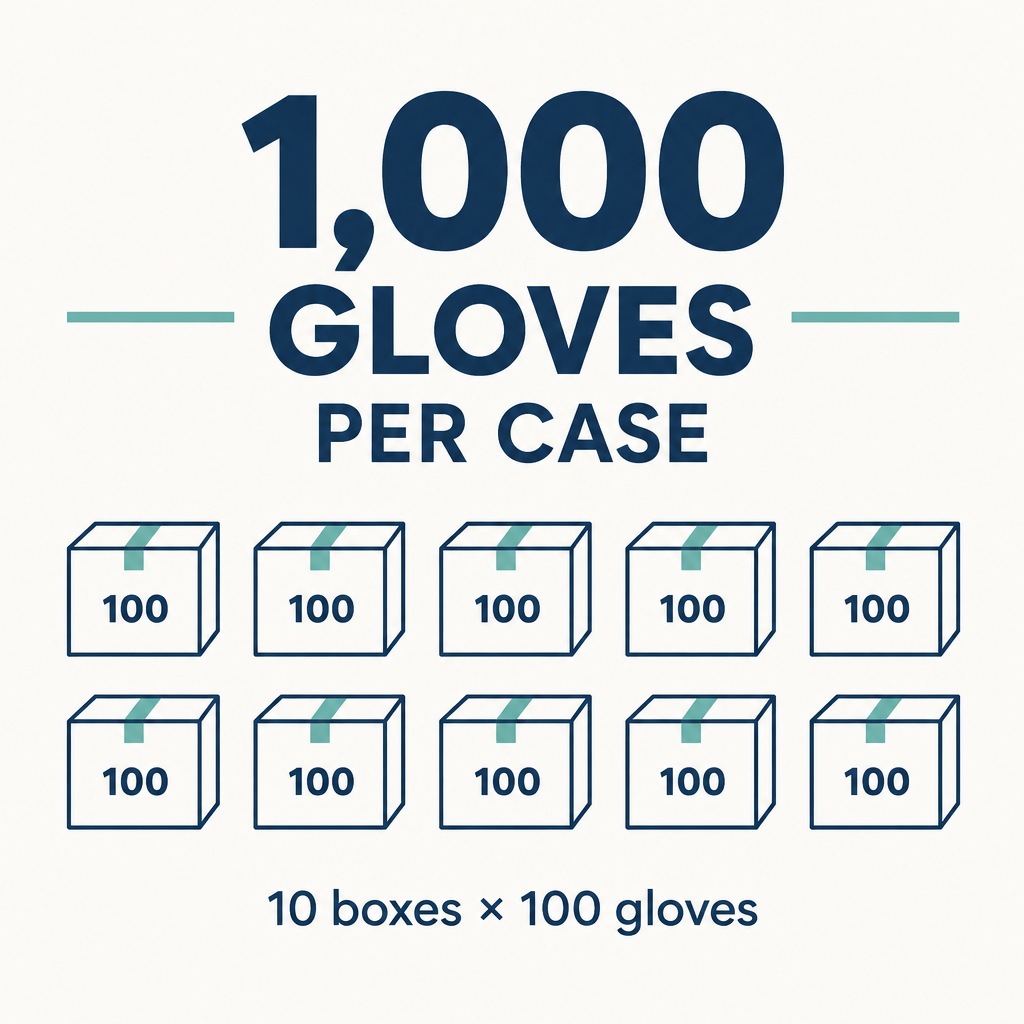
Yes. All products in this collection are sold by the case - typically 1,000 gloves per case in 10 boxes of 100, or 500 gloves per case for extended-cuff and heavier-mil options. Case pricing is the most cost-effective way to keep a busy bay fully stocked.
Are these gloves powder-free?
All nitrile gloves in this collection are powder-free. Powder-free gloves reduce the risk of contamination on parts and surfaces, and they eliminate the skin irritation that powdered gloves can cause during extended wear.
Related Blogs
Ultimate Guide to Disposable Gloves: How to Choose the Right Gloves for Every Application - A full breakdown of glove materials, thicknesses, and recommended products by industry and task. A useful reference if you are standardizing glove specs across multiple roles in your operation.
Exam Gloves vs. General-Use Gloves: What's the Difference? - Covers the AQL standards and quality differences between exam-grade and general-use gloves, directly relevant if you are deciding which specification to bulk-purchase for your shop.
The Glove That Delivers: Why Vanguard Blue Nitrile Is a PPE Game-Changer - An in-depth look at what separates a reliable everyday glove from the alternatives, with practical points on cost-per-glove and shift-length performance.