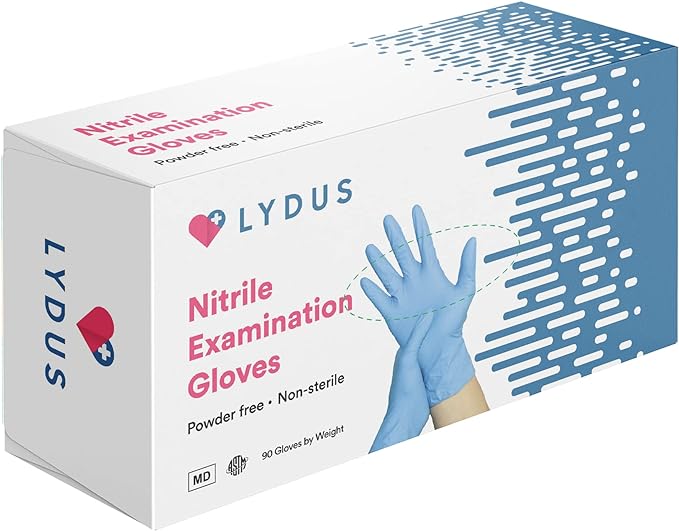
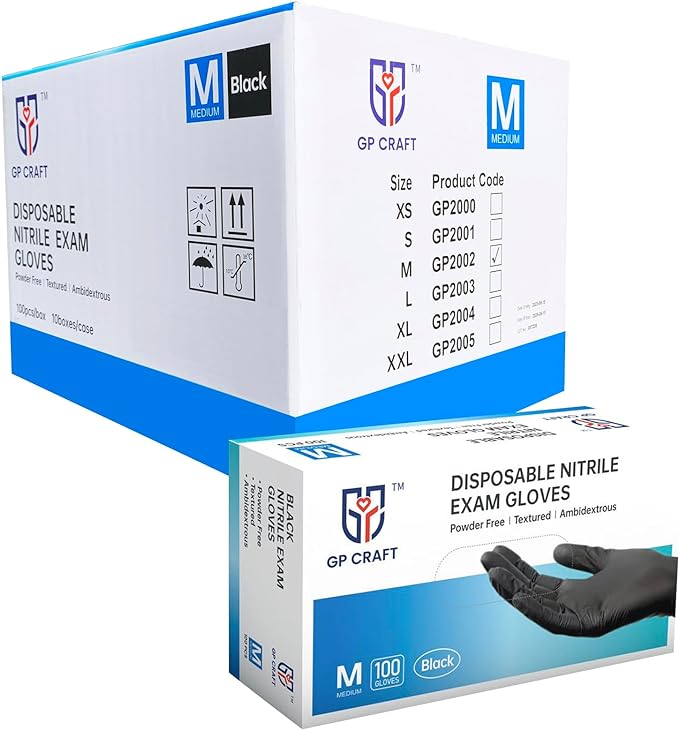
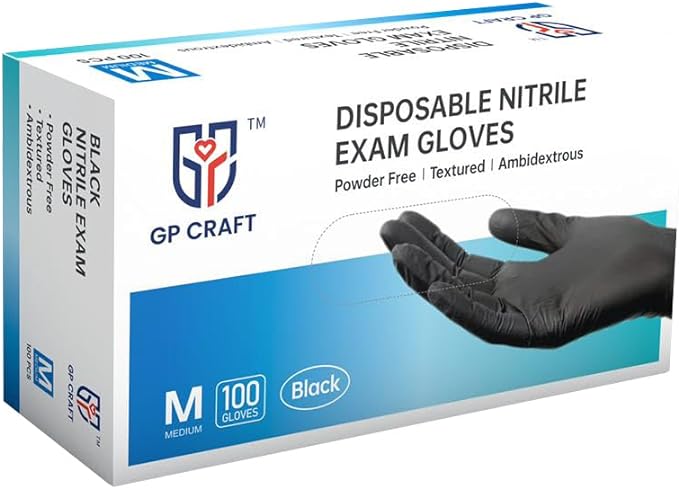
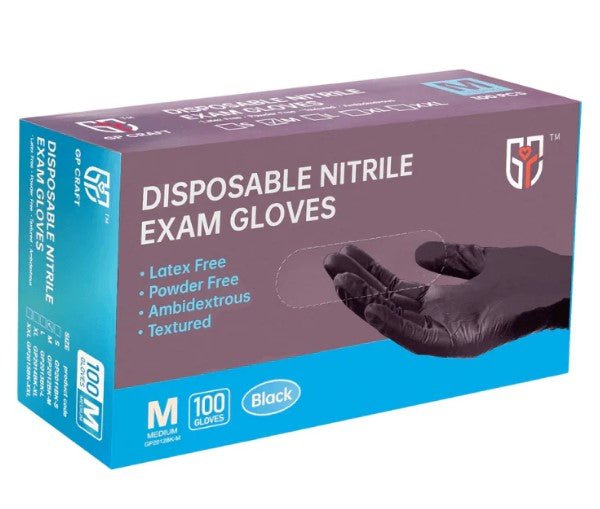
Emergency, first responders and firefighters gloves for infection control and patient contact are as mission-critical on scene as any piece of tactical gear. Whether you are an EMT managing a trauma call, a paramedic at a mass casualty incident, or a firefighter conducting EMS operations, the right disposable gloves protect you from bloodborne pathogens, bodily fluids, and contamination while keeping the dexterity you need for patient care. AP Medical Supply stocks exam-grade and heavy-duty nitrile gloves in wholesale cases of 500 or 1,000, selected specifically for emergency medical, first responder, and fire department operations. Orders over $200 ship free.
Shop Emergency Responder Gloves
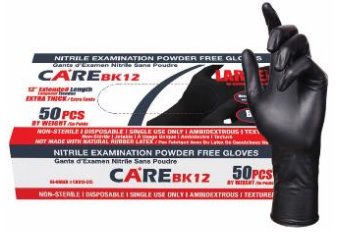
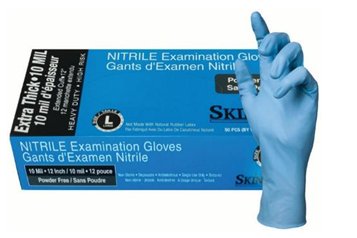
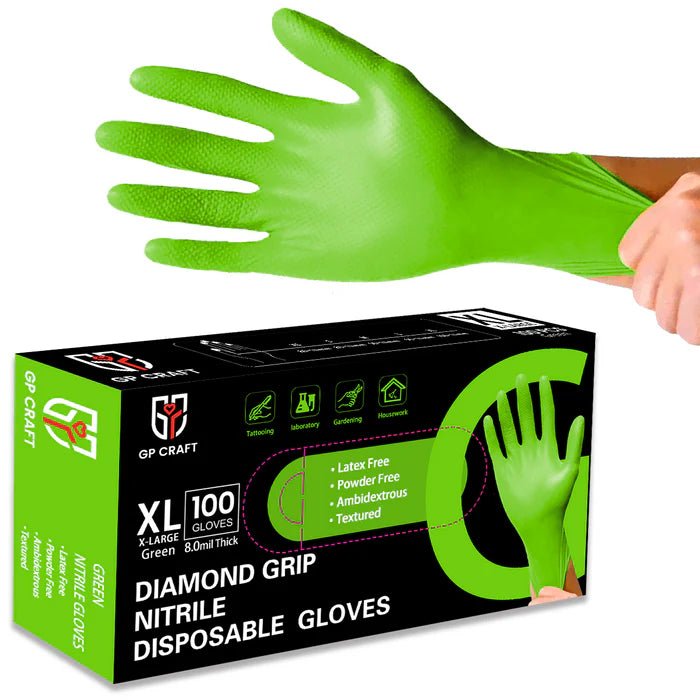
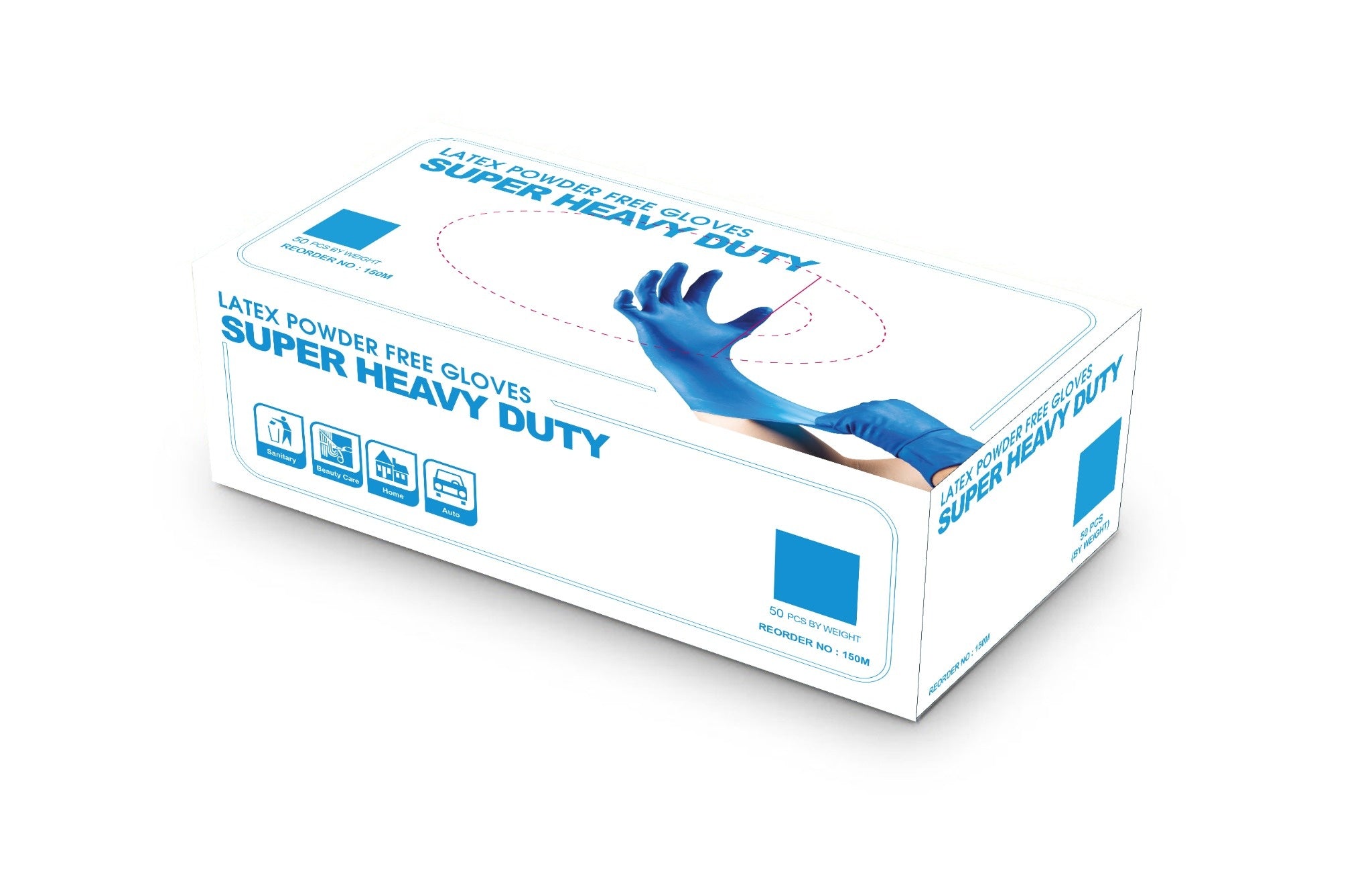
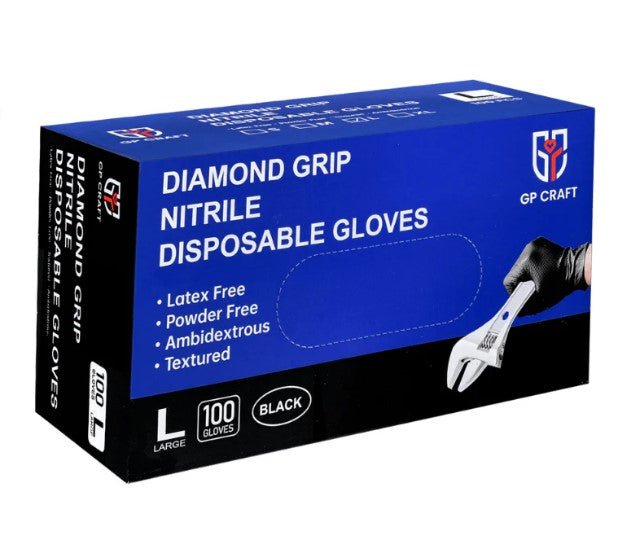
AP Medical Supply carries single-use nitrile and latex gloves across multiple thickness levels, cuff lengths, and colors to meet the specific demands of EMS, fire department medical operations, rescue teams, and disaster response units. Below are some of the most frequently sourced options in this collection.
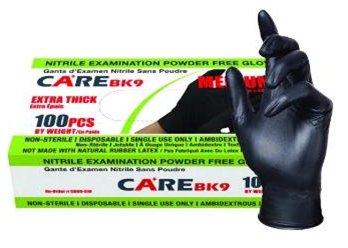
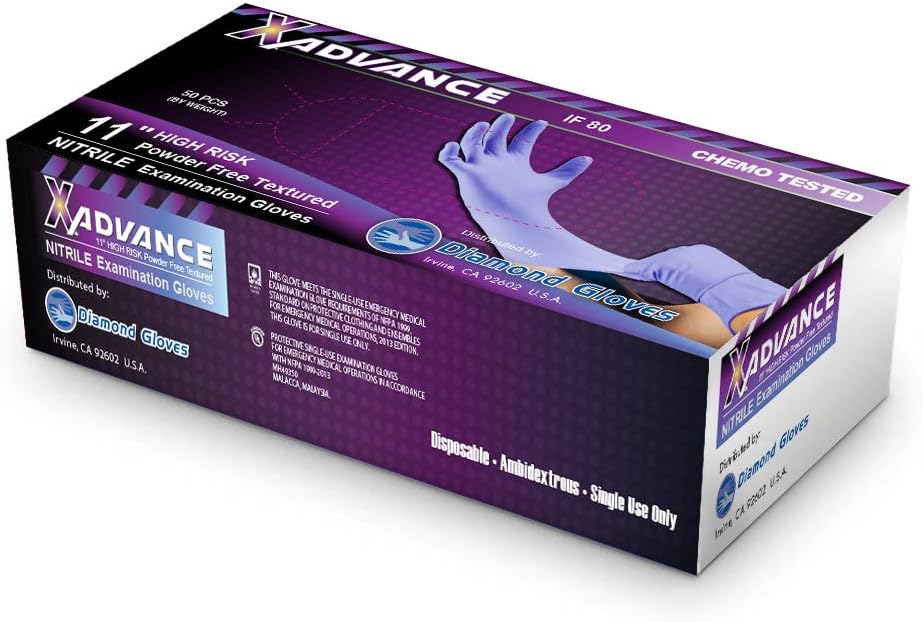
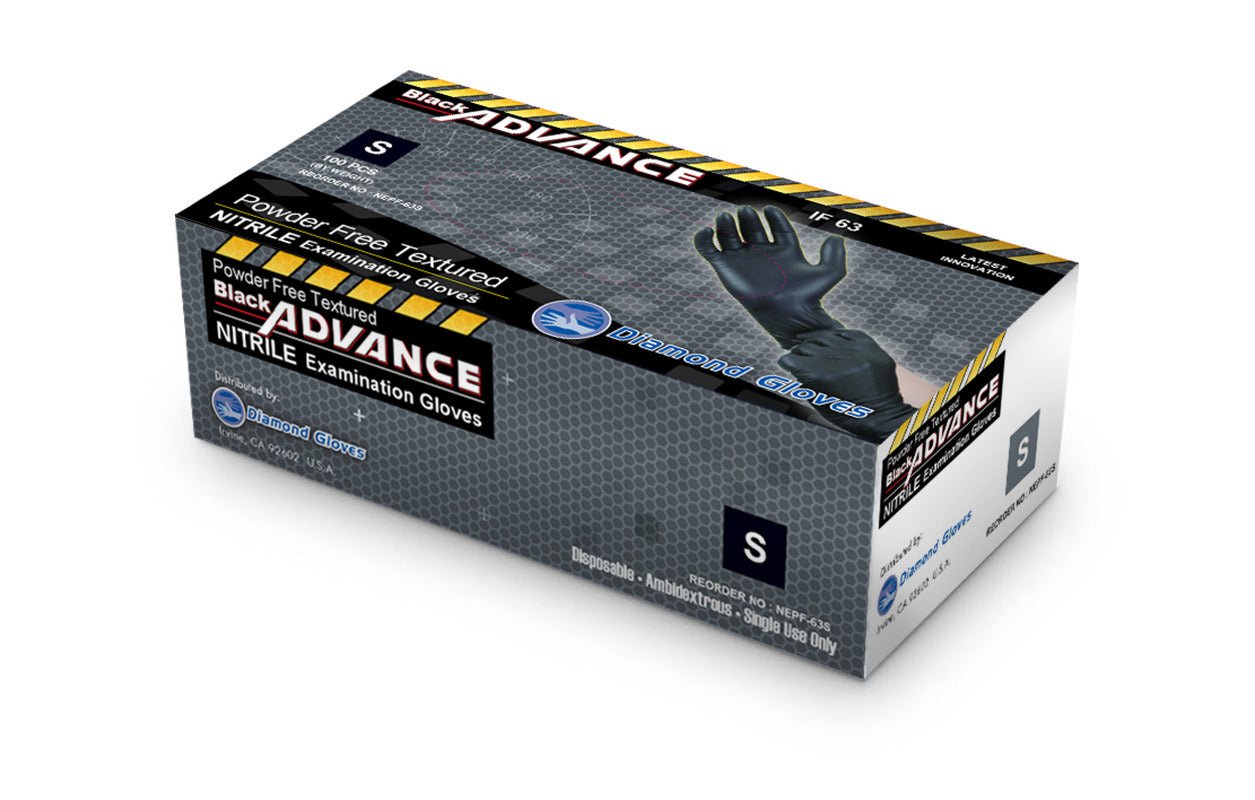
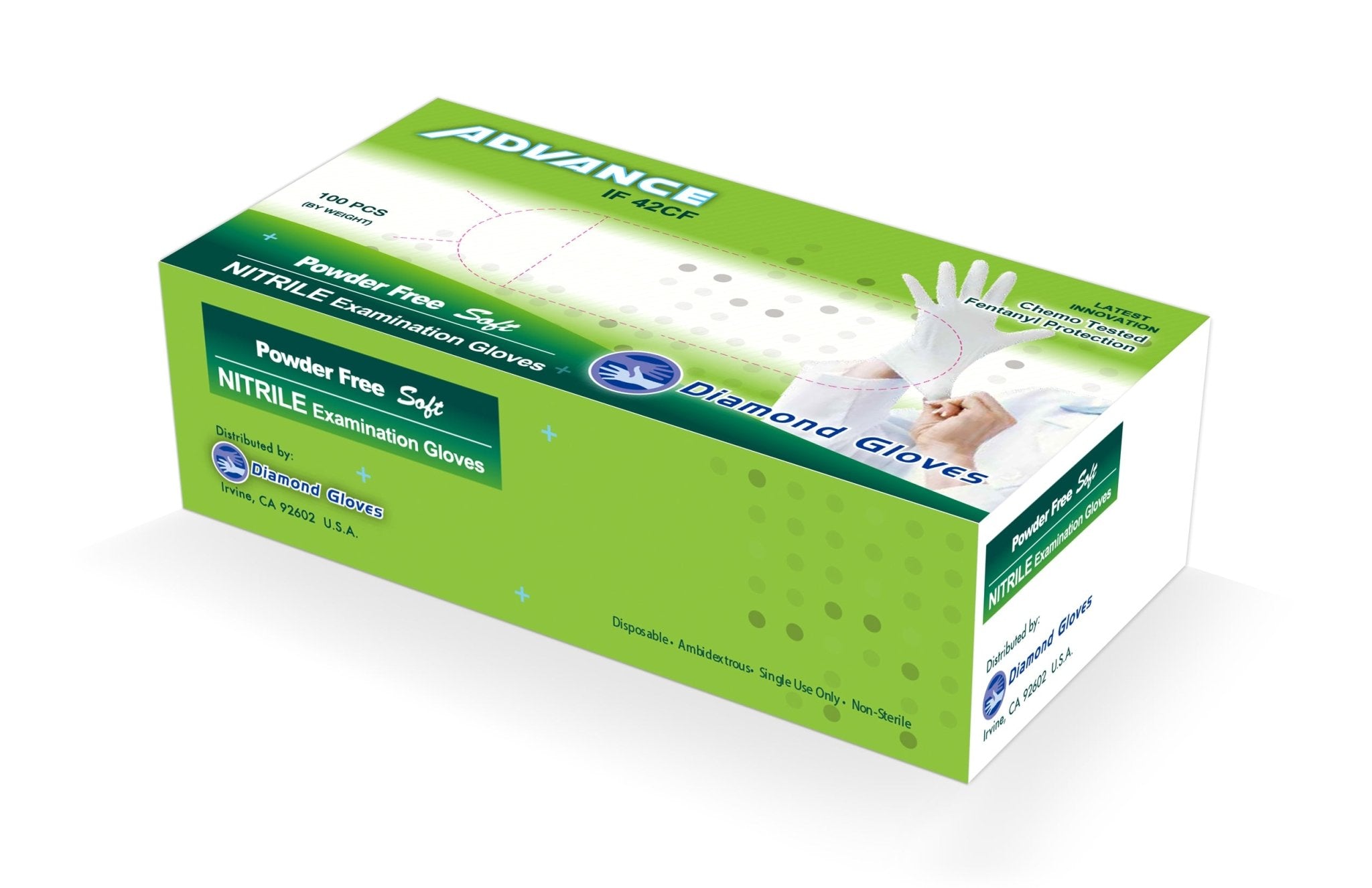
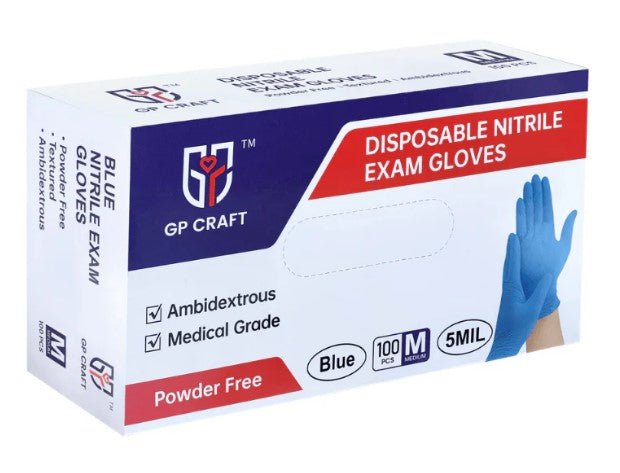
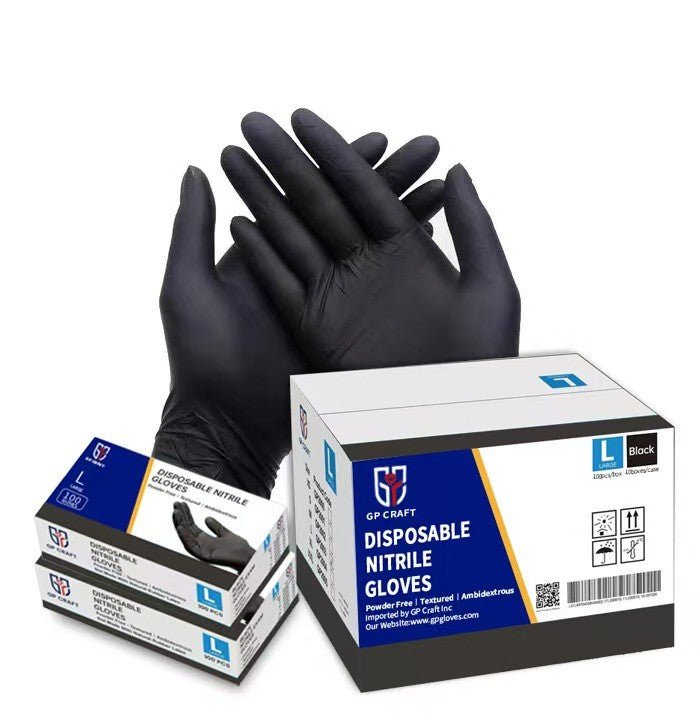
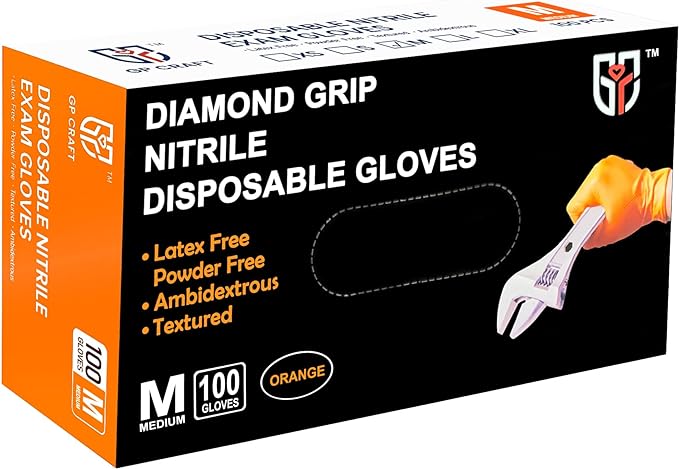
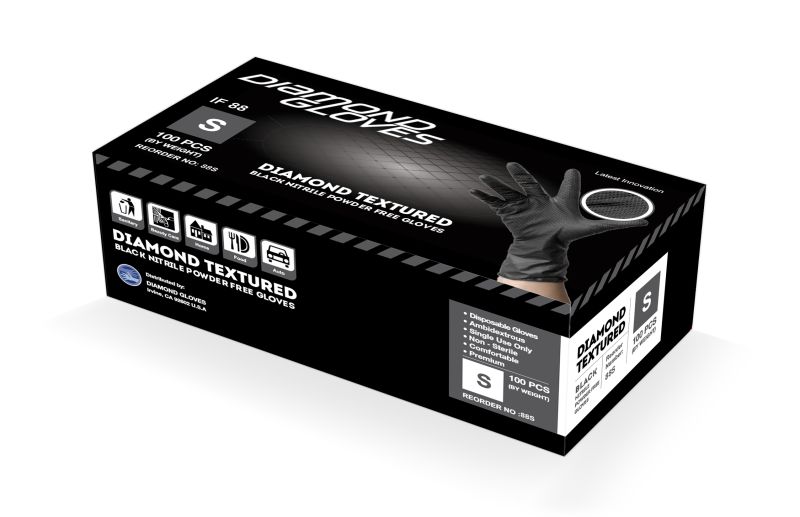
Browse the full grid above for additional thickness options from the GP Craft, First Glove, Diamond, and CARE lines, including 4 mil, 5 mil, and 8 mil variants across black, blue, and orange colorways.
How to Choose the Right Disposable Glove for Emergency Operations
Emergency responder gloves are not one-size-fits-all. The correct choice depends on the exposure level, your operational role, and what the scene demands of your hands.
Mil Thickness: Matching Barrier Strength to the Task
Mil thickness is the single most important specification when selecting first responder disposable gloves, yet it is rarely explained with enough specificity for an EMS or fire department buyer.
A 4-5 mil glove offers the tactile sensitivity needed for patient assessment, IV placement, and airway management. At this thickness, you retain enough feel to perform fine motor tasks quickly. A 6 mil glove adds meaningful durability for extended patient contact during a long call or multi-patient scene without sacrificing much dexterity for most tasks. When the call involves mass casualty, disaster response, or prolonged exposure to heavily contaminated environments, a 7-10 mil option provides a substantive added barrier and greater resistance to puncture or tear.
The instinct to reach for the thickest available glove is understandable in high-stakes situations, but it is not always correct. A 10 mil industrial-grade glove reduces tactile sensitivity enough to slow fine motor tasks. For a provider placing a chest seal or running an IV under pressure, a 5-6 mil exam glove is the better choice. In short: match thickness to exposure duration and dexterity demand, not just to incident severity.
Cuff Length: Wrist vs. 12-Inch Extended
Standard exam gloves end at the wrist. For the majority of patient contact scenarios, wrist-length coverage is sufficient. When a scene involves large-volume fluid exposure - major trauma with significant blood volume, extrication from a flooded vehicle, or water-borne contamination rescue - a 12-inch long-cuff glove eliminates the gap between the glove edge and a sleeve. This matters most for providers working without a gown or when a gown has ridden up during extended patient contact.
Color as an Operational Tool
On a triage scene, glove color carries functional value beyond aesthetics. Orange nitrile gloves are visible against dark bunker gear, dark clothing, and poor-light scenes, making it faster for team leaders to confirm at a glance that crew members are gloved before patient contact begins. This is particularly relevant for multi-agency incidents where not all personnel are familiar with each other.
Black EMS gloves are the standard for tactical medical operations, law enforcement-adjacent EMS, and scenarios where a lower-profile appearance is operationally appropriate. Blue remains the default for standard ambulance, fire department EMS, and general medical operations.
Powder-Free for All Medical and Patient-Contact Use
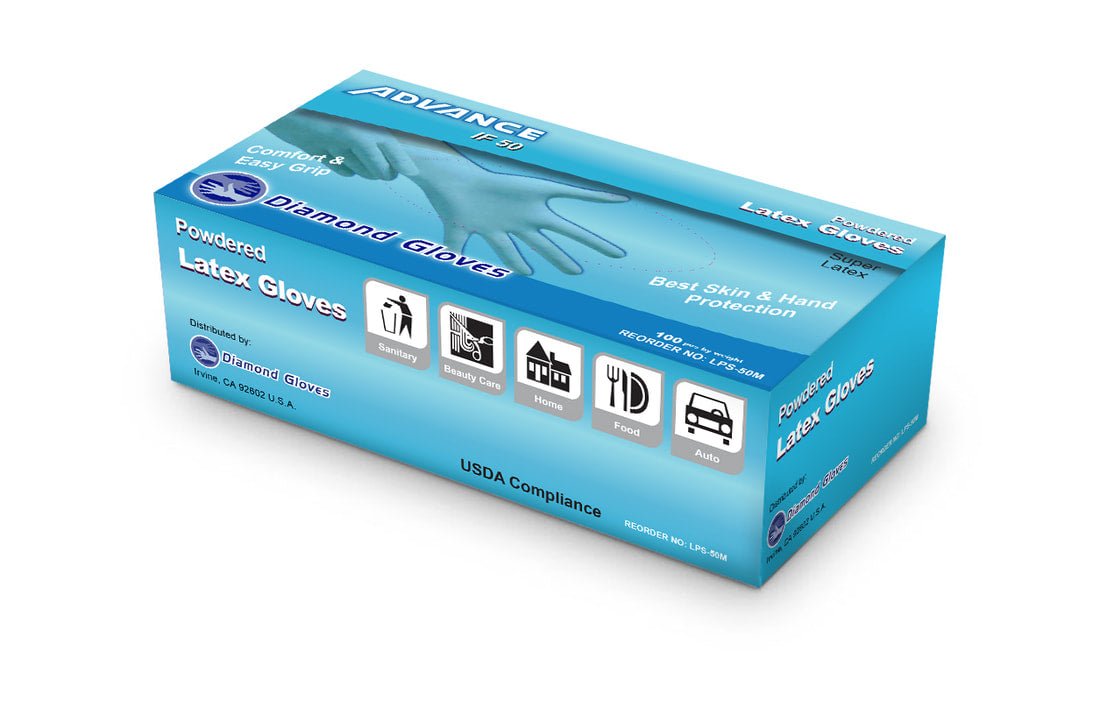
Every nitrile glove in this collection is powder-free, which is the accepted standard for medical examination and patient-contact applications. Powder-free gloves reduce the risk of contamination and are required by most health department and hospital supply protocols. If a task does not involve patient contact, powdered latex industrial gloves are available separately for non-medical applications.
Applications by Role
EMT and Paramedic Use
EMS providers consume gloves at volume - multiple pairs per call across multiple calls per shift. A 5-6 mil powder-free nitrile glove sourced in cases of 1,000 is the practical standard for ambulance stocking. Nitrile is the preferred material for EMS because it is latex-free, which protects both the provider and patient from latex sensitivity reactions. The 5 mil and 6 mil options from the GP Craft and First Glove Volt lines meet this specification.
Firefighter EMS and Fire Department Medical Operations
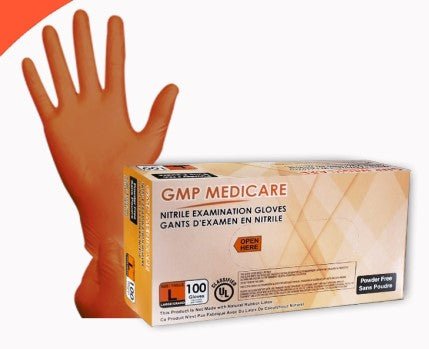
Firefighters operating in an EMS or patient-contact capacity need the same bloodborne pathogen barrier as dedicated EMS personnel. For departments purchasing against a certification requirement, the GMP Medicare 6 mil Orange Nitrile Examination Disposable Gloves hold NFPA 1999:2018 certification for emergency medical operations protective clothing. This certification applies to that specific SKU only - it is not a collection-wide designation - and should be confirmed on the product page before use for compliance purchasing.
Rescue, Extrication, and Disaster Response
During mass casualty and disaster medical operations, providers need high-volume supplies of heavy-barrier gloves for patient management across multiple casualties. The 7-10 mil long-cuff options in this collection are built for those scenarios, providing enough barrier for extended exposure while remaining single-use disposable to support infection control between patients. For hazmat or chemical contamination response, the chemo-tested Alpha Force 5 mil Heavy Duty Black Nitrile gloves offer additional assurance for scenarios involving chemical exposures.
Not sure which glove fits your specific operation? Use the Glove Match Tool to cross-reference requirements by task and exposure type.
Cross-Discipline and Tactical Medical Operations
First responders working in roles that overlap with law enforcement or tactical operations can also browse the Law Enforcement Gloves collection for situation-specific options. For post-incident specimen handling or laboratory-based infection testing, the Laboratories Gloves collection carries additional options suited to that environment.
Why Buy Emergency, First Responders and Firefighters Gloves at AP Medical Supply
AP Medical Supply sources PPE for professional users including emergency services teams, fire departments, and EMS agencies. Products in this collection are stocked in the wholesale case quantities departments actually purchase - 500 or 1,000 units - not retail single-box quantities. Free shipping applies to qualifying orders over $200. The team is reachable at +1 814 636 1245 or sales@apmedsupply.com for bulk order questions, product specification verification, and agency procurement support.
Frequently Asked Questions
Are these gloves suitable for bloodborne pathogen protection?
The nitrile exam gloves in this collection are powder-free, latex-free, and exam-grade. Nitrile provides a barrier against bloodborne pathogens as part of standard precautions. Check individual product pages for ASTM certification and FDA 510k clearance details specific to each SKU.
What mil thickness is recommended for EMS and ambulance use?
A 5-6 mil powder-free nitrile glove is the standard for most EMS and ambulance applications. It balances tactile sensitivity for patient assessment and fine motor tasks with adequate durability for standard patient contact. Thicker options suit extended or high-exposure scenarios.
Does AP Medical Supply carry NFPA 1999-certified gloves?
Yes. The GMP Medicare 6 mil Orange Nitrile Examination Disposable Gloves hold NFPA 1999:2018 certification for emergency medical operations protective clothing. This certification is specific to that SKU only, not to the collection as a whole. Confirm on the product page before using for compliance purchasing.
Why choose nitrile over latex for first responder gloves?
Nitrile is latex-free, eliminating latex allergy risk for both the responder and the patient. It also offers comparable or better puncture resistance to latex at the same thickness and performs reliably in contact with oils and many chemicals, which is relevant in multi-hazard emergency scenes.
What is the advantage of a 12-inch long-cuff glove on emergency scenes?
The extended cuff covers the lower forearm, reducing skin exposure during high-volume fluid contact - major trauma, flood rescue, and prolonged patient care where a wrist-length glove leaves a gap between the glove edge and a sleeve or jacket cuff.
Can I order in bulk for a fire department or EMS agency?
Yes. All products are available as wholesale cases of 500 or 1,000 units. Contact the AP Medical Supply team at +1 814 636 1245 or sales@apmedsupply.com for agency bulk orders and procurement assistance.
What is the difference between exam-grade and industrial-grade nitrile gloves?
Exam-grade gloves are produced to ASTM D6319 or equivalent standards and, where FDA 510k cleared, are appropriate for patient contact and medical examination. Industrial-grade nitrile is heavier and more chemical-resistant but is not cleared for patient-contact medical use. For all infection-control and EMS applications, select the exam-grade options.